Foodservice equipment manufacturers in Asia now have local access to essential accredited safety and sanitation testing services in support of foodservice equipment certification, to help gain worldwide product acceptance
Visit the NSF Shanghai Testing Laboratory photo gallery
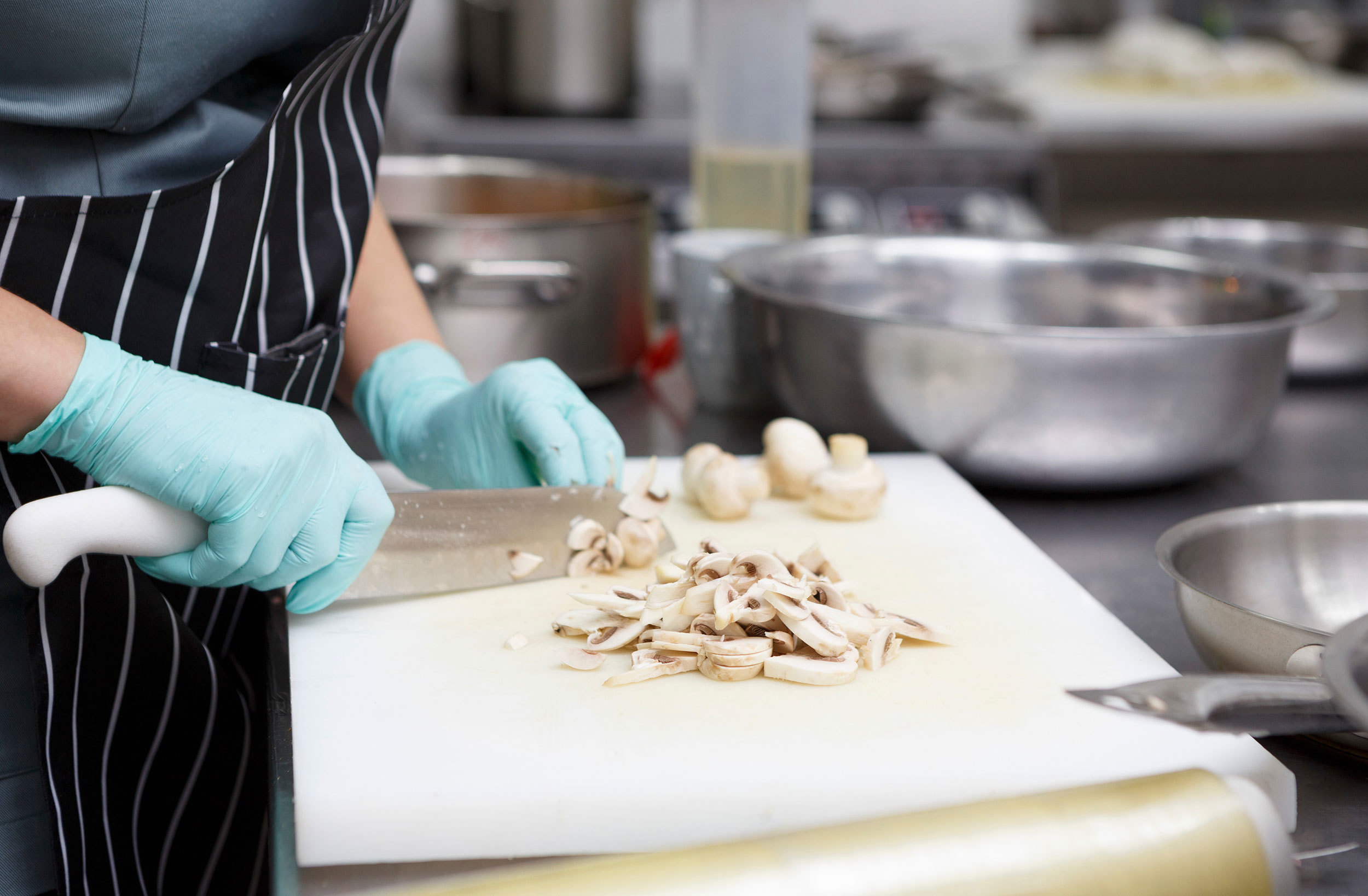
SHANGHAI (September 27, 2012) – NSF International, an independent global public health and safety organization that develops standards, and tests and certifies products for the food equipment, dietary supplement, water and consumer goods industries, has achieved ISO/IEC 17025 accreditation from the China National Accreditation Service (CNAS) for its laboratory in Shanghai, China. This accreditation enables NSF’s Shanghai lab to provide local, accredited third-party testing and certification services to foodservice equipment manufacturers with production facilities in China and throughout Asia, helping to reduce testing turnaround times and shipping costs.
The U.S. imports nearly $400 million in foodservice equipment annually, with China as a main driver with a compound annual growth rate of about 35 percent1. The NSF Shanghai Testing Laboratory verifies the safety of foodservice equipment products by testing and evaluating them to NSF American national standards for sanitation, product design and construction, material safety and performance.
CNAS ISO 17025 accreditation demonstrates that the NSF Shanghai Testing Laboratory follows internationally-recognized lab quality management practices. Accredited foodservice equipment testing services include:
“As our customers’ supply chains become global, it is crucial that they are able to obtain testing and certification services in Asia from the NSF Shanghai laboratory. Manufacturers now have local access to essential accredited safety and sanitation testing services that support foodservice equipment certification, to help gain product acceptance in markets worldwide,” says Tom Chestnut, Vice President of NSF’s Global Food Division.
![]() |
| NSF Shanghai Testing Laboratory lobby |
![]() |
| NSF Shanghai Testing Laboratory analysis lab |
Additional Testing Services
In addition to foodservice equipment testing, the NSF Shanghai Testing Laboratory also offers accredited testing services and quick turnaround times for:
Contact Information: For more information about NSF International’s foodservice equipment testing, certification and training programs, contact:
Media Contact: To schedule an interview with an NSF expert, or for more information on NSF International’s operations in China, please contact: Kelly Nichols at +1 734-827-6850 or knichols@nsf.org or Dongjing Liu at +86-21-2428 6300 or dliu@nsf.org.
More information about the NSF Shanghai Testing Laboratory is available at www.nsfchinalab.org/en.
About NSF International: NSF International is a global independent organization that writes standards, and tests and certifies products for the dietary supplement, food, water and consumer goods industries, to minimize adverse health effects and protect the environment (nsf.org). Founded in 1944, NSF is committed to protecting human health and safety worldwide. NSF is a World Health Organization Collaborating Centre for Food and Water Safety and Indoor Environment.
NSF International has developed national standards for commercial foodservice equipment and has been testing and certifying equipment to ensure compliance with these standards since its founding in 1944. Most state and local health departments require that food service establishments use equipment certified to these NSF standards.
Additional NSF services include NSF Education and Training, safety audits for the food and water industries, NSF Sustainability, organic certification provided by QAI (Quality Assurance International) and management system registrations delivered through NSF International Strategic Registrations (NSF-ISR).
1$377 million in 2008, primarily from Switzerland, Canada, China and Italy, and 36 percent compound annual growth rate from 2004-2008. "World Market for Food Service Equipment, 5th Edition." MarketResearch.com, p.4, 1 September 2009, http://goo.gl/RRoVk.