Food Label Requirements and Compliance
Food labeling can be complex territory, especially when preparing products for sale in other countries. Get it right, however, and you could open a world of opportunity for your food and beverage business.

Food labeling services
At NSF, we offer expert advice to ensure you comply with regulations relevant to your food and beverage products, enabling you to expand your reach and take full advantage of new market opportunities:
| Service | Benefits |
| Artwork compliance review | Our artwork management services, which includes a full label artwork review, will ensure your products are represented correctly and the food label complies with regulations and guidelines in your chosen markets. |
| Nutritional labeling development and/or checks | Our experts in nutritional consulting will coordinate nutritional analysis testing or create calculated nutritional data based on your formula and raw materials. We can also review nutritional values and provide conversions for different countries, so you are sure to meet nutritional label requirements. |
| Horizon scanning | Should a regulation change, our regulatory alerts review highlights what has changed and explains what it means for your business and product compliance. Designed to meet your specific scenario, this can be based on specific countries and on timings as directed by you. |
| Raw material and/or ingredient check and formula compliance | We will check each food raw material for its components and treatments used before confirming whether or not it complies with relevant regulations and can be sold in its intended markets. We’ll also review the recipe breakdown of your product to confirm that its ingredients and percentages comply with its product category. |
| Regulatory translations | It’s important that meaning isn’t lost in translation. We offer food label translation services for export, using local expertise to advise you on legislative and linguistic corrections for both mandatory and voluntary text. |
Meet regulations worldwide with accurate labels and claims support
| Claims risk assessment (innovation support) | When innovating new products, our food regulatory experts will identify the risks and opportunities associated with specific food claims, regulated or otherwise. And we’ll interpret existing regulations and – even in the absence of regulations – advise you on how authorities will respond. |
| Pack copy development | Getting pack copy right is essential. We can help you understand and generate the mandatory information for your product label, helping to bridge the gap between specification information and the final label. |
| Packaging material regulations | We check your primary and secondary packaging against relevant food packaging regulations, including recyclability and waste disposal logo requirements. |
| Restaurant menu development | With allergen concerns growing worldwide, our experts will ensure your restaurant menu complies with regulations around allergens, additives and marketing text. We can also provide analysis to support nutritional information. |
| Specification management | For effective implementation and consistency, quality and traceability, our regulatory experts will support the creation and/or management of your products and/or raw material specifications. We can create technical specifications documents or build them within your software systems. Our team can also assist with regulatory approvals of your specifications as part of your document management system. |
| Specialist market insight | Our data-driven, market-intelligence solution, powered by an advanced digital tool, coupled with insight from our regulatory experts, will give you actionable information on how to expand successfully. We’ll provide you with regulatory alerts that highlight how specific regulations are changing and what the change means for you. |
What are the steps to compliant food labels?
- 1Get in touch with our team.
- 2We’ll ask you for some information to help us understand your requirements.
- 3Once we have an understanding of the scope of your needs, we’ll send you a quotation.
- 4
If you approve the quote, we’ll issue a proposal for you to sign. This will include our scope, deliverables, fees and terms and conditions.
- 5We’ll arrange a project kick-off to set expectations for deliverables and timing, and ensure we have received all the information we need to complete the work.
- 6The project work begins. We’ll be in touch every now and then with questions and to clarify information as necessary.
- 7We complete our work before issuing you with the output for your review and subsequent action.
Why choose NSF?
We help you build robust and compliant product launches for long-term success.
Meet regulations worldwide and launch your products with confidence, using NSF’s seamlessly integrated approach.
A trusted and agile extension of your team, we work with you to ensure your product labels and claims are accurate, so consumers can make informed choices, and your products comply with specific regulations, geographies and languages.
Essential Food Labeling Requirements: What You Need to Know

Understanding food labeling regulations is essential for any business developing or exporting food products.
Resources

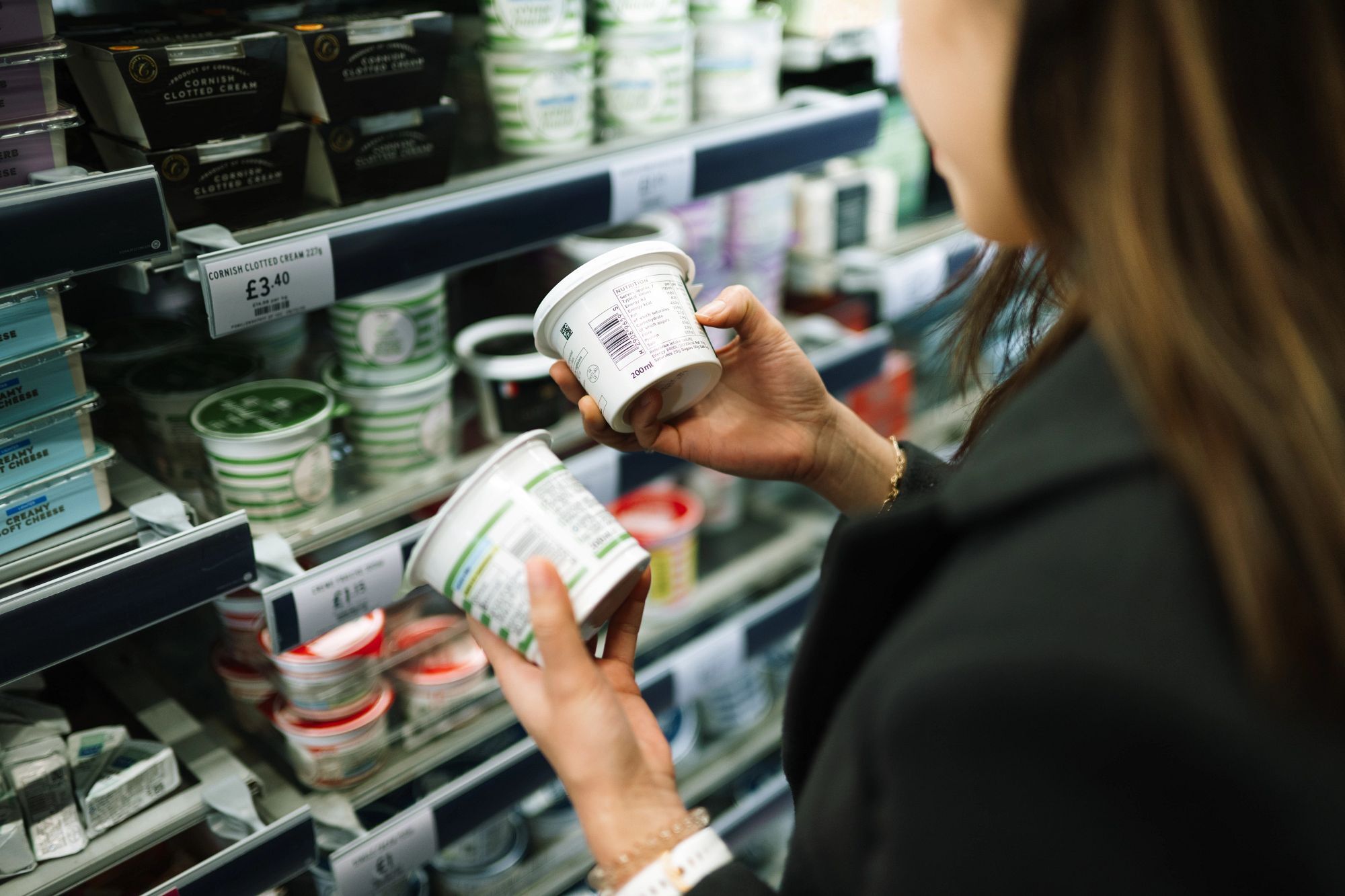
Meet regulations worldwide with accurate labels and claims support
Our labeling experts are ready to support you.