Blended Learning Courses: What Makes Them Work

Working remotely doesn’t have to mean losing sight of professional development for your team. Blended learning makes the most of online educational materials and opportunities for interaction online by combining them with traditional instructor-led classroom methods.
This allows the traditional class to focus on analysis, evaluation and other higher levels of learning. And because it appeals to a wider range of learning styles, blended learning results in greater retention than traditional learning.
The Elements of a Blended Learning Course
Successful courses include face-to-face sessions that are:
- Visual
- Organized in “bite-sized” segments
- Interactive and participatory
- Structured
- Relevant to participants
- Focused on why, not just how
The effective virtual component includes:
- Presentations, videos and break-out sessions
- Interaction through chat boxes, polling and annotation
In addition, blended learning incorporates self-paced learning before, during and after classroom sessions, including:
- Pre-printed reading material
- Webinars and YouTube clips
- eLearning activities
NSF offers interactive training courses for the medical device, IVD, pharmaceutical, dietary supplement and cosmetics industries.
Ready To Learn More About Our Blended Learning Courses?
How NSF Can Help You

What’s New with NSF
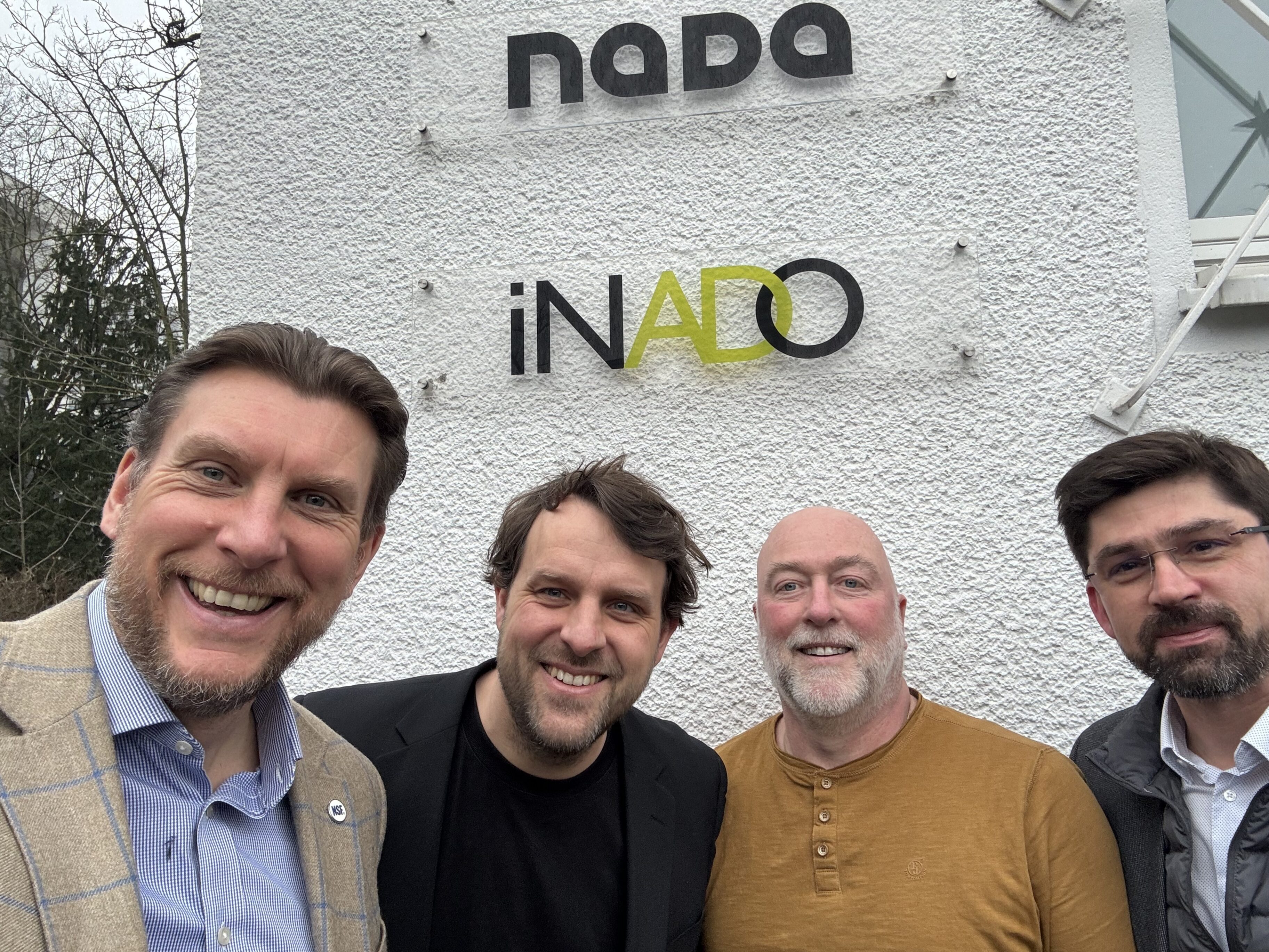
iNADO Partners with NSF to Support Members and Athletes
May 27, 2026iNADO is pleased to welcome NSF’s expertise and experience in support of its members and the athletes they serve
NSF Ends UK’s Three-Year Testing Gap with REG 31 Testing Designation
May 20, 2026NSF’s Oakdale laboratory becomes the UK’s sole facility offering comprehensive BS 6920 and REG 31 testing, closing a critical drinking water safety gap.
Tangent® Materials Announces Industry First: Tangent PolySheet™ CB Earns Certification to NSF 537, Becoming the First PFAS-Free NSF Standard 51 Food Equipment Material
May 20, 2026New food-grade synthetic cutting-board sheet, engineered from the ground up without per- and polyfluoroalkyl substances (PFAS), establishes a new materialsafety benchmark for food-contact and food-equipment applications.
NSF Annual Review and Impact Report 2025 Now Live
April 20, 2026NSF has published its Annual Review and Impact Report 2025, detailing the organization’s progress over the past year and outlining strategic priorities for 2026.