The Importance of Certification Marks for Consumer Trust
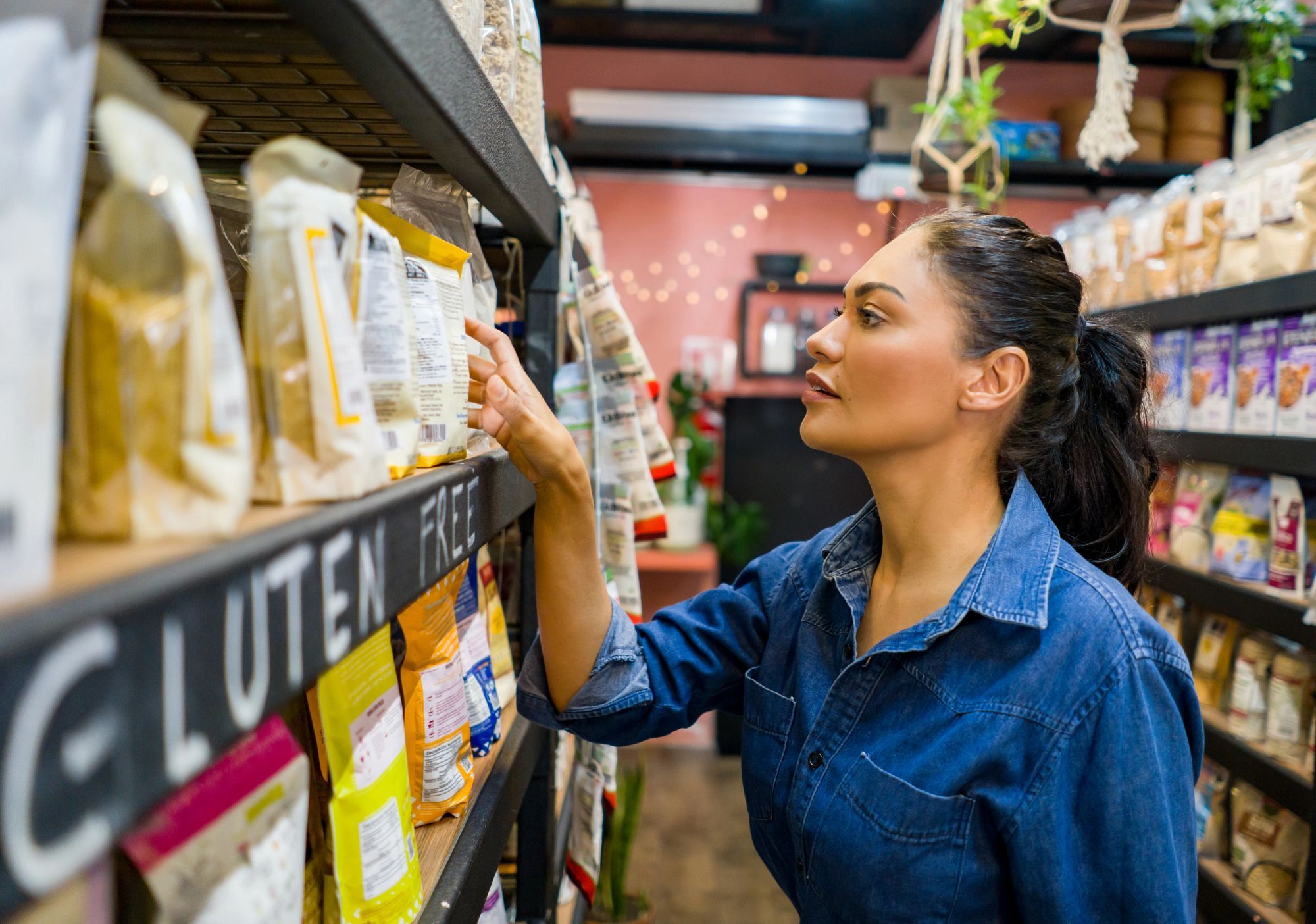
Why certification marks matter
Consumer trust
According to NSF's recent brand research, 72% of consumers are more likely to purchase products with certification marks. These marks signal that a product has undergone rigorous testing and meets established standards. “Certification marks are associated with trust, safety, and quality, which are critical factors in purchasing decisions.” — NSF Brand Research
Market differentiation
In a competitive market, certification marks help brands stand out by signaling quality, safety, and trustworthiness. These marks are more than just labels—they are strategic tools for differentiation.
Consumers are more likely to choose products that carry these marks over those that do not. Certification marks can enhance brand loyalty by reassuring consumers that the product meets high standards. This can lead to repeat purchases and positive word-of-mouth.
In crowded categories, certification marks can give brands a competitive edge by highlighting their commitment to quality and compliance. This can be particularly important in sectors like food, personal care, and health products.
Equally important, though often less explored, certification marks can be leveraged in marketing campaigns to emphasize the product's verified quality and safety.
By investing in certification, brands can differentiate themselves in the marketplace, build consumer trust, and drive sales.
Regulatory compliance
Certification ensures alignment with evolving regulations, reducing risk and enhancing credibility. Certification marks are not only tools for consumer engagement; they are also critical for navigating an increasingly complex regulatory landscape. As global standards evolve and enforcement tightens, third-party certification provides a structured, credible way to demonstrate compliance.
Many international markets require or strongly prefer third-party certification for import approval. Certification can streamline entry into regions with strict regulatory frameworks.
By embedding certification into their compliance strategy, manufacturers can move from reactive to resilient—building systems that support long-term growth, trust, and operational excellence.
Why certification matters to consumers
Consumers today are more informed, value-driven, and skeptical of unverified claims. With certification marks, your brand can:
- Build trust: Certification marks help bridge the gap between consumer skepticism and brand credibility.
- Enable informed choices: Clear labeling empowers consumers to align purchases with their values and needs.
- Signal quality: Marks indicate that a product has passed independent, rigorous evaluation, not just internal claims.
- Health protection: Certifications like Gluten-Free and USDA Organic ensure that products meet strict health and safety standards, protecting consumers from harmful substances and allergens.
- Ethical alignment: Certifications such as Vegan and Cruelty-Free reflect a brand's commitment to ethical practices, resonating with consumers who prioritize animal welfare and sustainability.
- Transparency: Certification marks provide transparency in the supply chain, allowing consumers to trust that the product's claims are verified by an independent authority.
- Decision confidence: Knowing that a product is certified by a reputable third party like NSF gives consumers confidence in their purchasing decisions, reducing uncertainty and enhancing satisfaction.
Why manufacturers should pursue certification
Certification is not just a compliance checkbox, it’s a strategic investment in brand equity and consumer loyalty. Certification also opens doors to new markets, strengthens retailer relationships, and supports claims that withstand regulatory scrutiny. It’s a proactive way to reduce risk and increase product credibility.
The role of retailers and specifiers
Retailers and specifiers play a critical role in shaping the supply chain. By requiring or preferring certified products, they influence upstream decisions and elevate industry standards.
Specifiers, whether in procurement, product development, or merchandising, can use certification as a filter for quality, safety, and ethical sourcing. Their decisions directly impact what ends up in front of consumers.
Perspectives on product certification's strategic role
For Carey Allen, NSF's Product Claims Director, certification is more than a technical process; it's a strategic commitment to building trust and accountability across the supply chain. Allen emphasizes its forward-looking nature, stating, “Certification is a proactive way to stay ahead of regulatory shifts. It’s not just about meeting today’s rules; it’s about being ready for tomorrow’s.” This perspective highlights the importance of certification in navigating evolving global standards with resilience.
Allen further underscores the value of transparency and proving credibility, explaining, “Manufacturers who pursue third-party certification are making a public statement: ‘We’re not just saying it, we’re proving it.’ That distinction matters to consumers.” Such certifications help brands stand out in crowded markets by demonstrating their dedication to verified standards.
Regarding the role of retailers, she recognizes their influence in elevating industry practices. “Retailers are gatekeepers of consumer trust. When they prioritize certified products, they’re not just protecting themselves, they’re guiding the entire supply chain toward greater accountability.” Her insights serve as a compelling call to action for manufacturers and retailers alike, urging them to embrace certification not only as a compliance tool but as a cornerstone of trust, credibility, and sustained success.
Spotlight on key certification marks
“Only 9% of U.S. consumers trust voluntary organic labels, highlighting the importance of third-party certification.” — NSF 305 Research.
| Certification mark | Scope of certification |
 | Ensures organic integrity in personal care products. |
 | Recognized globally, this seal confirms compliance with US federal organic standards. |
 | Validates safety for consumers with celiac disease or gluten sensitivity. |
 | Confirms that no genetically modified organisms are present, verified across the supply chain. |
 | Guarantees no animal-derived ingredients or testing, with strict production controls. |
 | Verifies that no animal testing occurs at any stage of development. |
Request a quote today
What’s New with NSF

Information Systems Security Association (ISSA) Welcomes NSF’s Brian Schultz into the 2026 Hall of Fame
September 10, 2026Lifetime achievement recognition honors exceptional leadership and lasting contributions to the cybersecurity profession.
NSF Welcomes Nicole Parent Haughey to Board of Directors
September 10, 2026NSF's appointment of Nicole supports the organization's continued focus on long-term growth and transformation.
NSF Launches Independent Certification Standard for Compact Products
August 25, 2026New third-party certification verifies products cutting materials and shipping impacts while maintaining safety and performance.
NSF Achieves European Accreditation for Drinking Water Product Certification Ahead of 2027 EU Deadline
July 22, 2026The ISO/IEC 17065 accreditation from BELAC complements NSF’s testing capacity, enabling end-to-end support for EU Drinking Water Directive (DWD) readiness ahead of the January 2027 deadline.