NSF/ANSI/CAN 372 Technical Requirements
December 7, 2025
Minimizing lead content in drinking water system components.

NSF/ANSI/CAN 372: Drinking Water System Components – Lead Content is an American National Standard that provides a standardized methodology for determining and verifying product compliance to minimize lead contamination.
What the standard covers
NSF/ANSI/CAN 372 addresses lead content only. Most regulations also require compliance with an extraction or leaching test standard, such as:
- NSF/ANSI/CAN 61 for most products
- NSF/ANSI/CAN 42, 44, 53, 55, 58, or 62 for point-of-use and point-of-entry water treatment products.
Key technical requirements
- Maximum weighted lead content:
- 0.25% for most components
- 0.2% for solders and fluxes
- Weighted average formula for calculating lead content prior to testing
- Specific testing procedures for verifying compliance.
Products covered under NSF/ANSI/CAN 372
Multiple products that come into contact with drinking water can be tested to this standard, including:
- Coatings
- Valves
- Pipes
- Gaskets
- Solder and flux fittings
- Faucets
- Water filters
- Water softeners
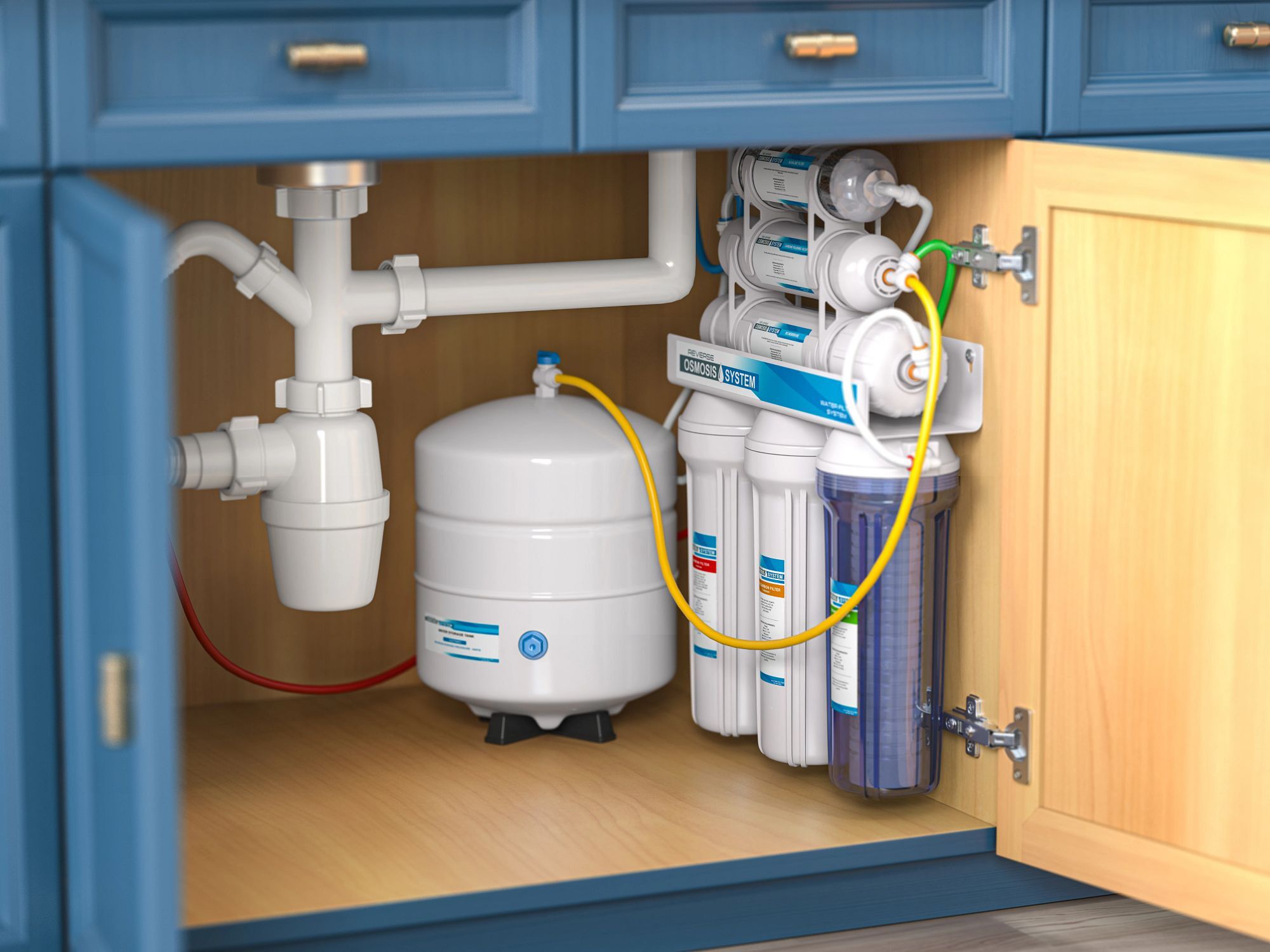
- Reverse osmosis systems
- Ultraviolet reactors
- Water meters.
Ensure your products meet lead content requirements and protect public health.
Download the NSF/ANSI/CAN 372 Technical Requirements Guide
Access key technical requirements for evaluating lead content compliance in drinking water system components.
What’s New with NSF
NSF Launches Protocol 549 for Glyphosate Reduction Claims
October 14, 2026P549 is the first standard globally that validates glyphosate reduction performance of water filtration systems and products.
Information Systems Security Association (ISSA) Welcomes NSF’s Brian Schultz into the 2026 Hall of Fame
September 10, 2026Lifetime achievement recognition honors exceptional leadership and lasting contributions to the cybersecurity profession.
NSF Welcomes Nicole Parent Haughey to Board of Directors
September 10, 2026NSF's appointment of Nicole supports the organization's continued focus on long-term growth and transformation.
NSF Launches Independent Certification Standard for Compact Products
August 25, 2026New third-party certification verifies products cutting materials and shipping impacts while maintaining safety and performance.