Regulatory Radar: Natural Disaster Knocks Out 10% of U.S. Medical Supplies for Unknown Duration
Puerto Rico (PR), a U.S. territory in the Caribbean, is home to 3.2 million U.S. citizens and about 80 pharmaceutical and medical device factories – a $15 billion manufacturing industry. The island was skirted by category 4 Hurricane Irma on Sept. 6, followed by a direct hit by another category 4 Hurricane Maria on Sept. 20 with winds up to 155 miles per hour and heavy rains. The last storm devastated housing and destroyed the electrical power grid across the island. With the island’s infrastructure devastated, it will be months before it can become fully functional. Four weeks after Hurricane Maria, more than a quarter of homes lack clean water, about 85 percent are without electricity and face shortages of food, fuel, medical supplies and cell phone service.
Puerto Rico attracted pharmaceutical and medical device companies with tax incentives three decades ago which has led to about 80 pharmaceutical, medical device and medical supply factories locating on the island, many part of the top pharma/device companies in the world. It’s estimated that this island delivers 10 percent of the drugs prescribed in the U.S., and all manufacturing had been shut down by the hurricanes. Some employees are still struggling with basic needs so aren’t able to go to work. “A lot of companies say they’re online, but they basically have one of five lines running at 20 percent or 80 percent or 50 percent,” FDA Commissioner Scott Gottlieb told Reuters in an interview in New York. “They are not manufacturing at full capacity. They are manufacturing well short of that. It’s unclear when they are going to be able to bring that up to full capacity.”
It’s not known publically what drugs/devices are produced exclusively in PR and which facilities are capable of getting back on line before we reach shortage levels. However, FDA is in constant communications with the PR medical product manufacturers and has issued press releases on the situation. In the press release of Oct. 6, FDA indicated that it has a list of 40 critical medical products -- pharmaceutical and biological drug products for which a shortage could have substantial impact on the public health. Outside of FDA’s routine role, the agency indicated that “In urgent cases, when critical products are at issue, we’ve intervened over the last two weeks to help firms secure fuel to maintain production lines, get clearance to move logistical support into the island or finished goods to their recipients.” The agency expects to reduce the list of critical medical products with more knowledge of the supply chain and the agency taking additional steps. Should there be an upcoming shortage, FDA indicated that it will be proactive in communicating it.
On Oct. 13, FDA Commissioner Gottlieb released a statement that detailed the agency’s work to help prevent a shortage of Baxter’s sodium chloride 0.9% mini injection bags manufactured in Puerto Rico. FDA has used regulatory discretion to allow the temporary importation of this product from Baxter facilities in Ireland and Australia and aided in moving product out of PR. The agency has also indicated that it is expediting reviews and approvals of other dosage forms and generic versions of products as alternate sources of these critical products.
As of Oct. 25, FDA had not specifically addressed potential shortages of medical devices. However on Oct. 25, FDA Commissioner Gottlieb indicated that there are more than 50 medical device manufacturing plants in Puerto Rico, employing about 18,000 people, and manufacturing over 1,000 different kinds of medical devices. FDA is monitoring about 50 types of medical devices manufactured in Puerto Rico that are critically important to patient care and the agency is working with about 10 manufacturers to prevent medical device product shortages across the U.S., particularly blood-related medical devices. While the device manufacturers are facing the same basic challenges as drug manufacturers (lack of commercial power, connectivity, transportation and clean water), they face serious challenges in obtaining the various components that make up the finished devices, many of which are produced by local subcontractors.
FDA intends to take steps to mitigate any potential shortage, including allowing temporary importation of devices from outside the U.S. or allowing manufacturers to shift production to alternative sites.
Do you have any questions? Please reach out to NSF’s experts Marinka Tellier or Andy Papas. Visit our website to learn more about NSF's pharma biotech services.
If you are interested in past issues of Regulatory Radar, visit our library.
How NSF Can Help You

What’s New with NSF
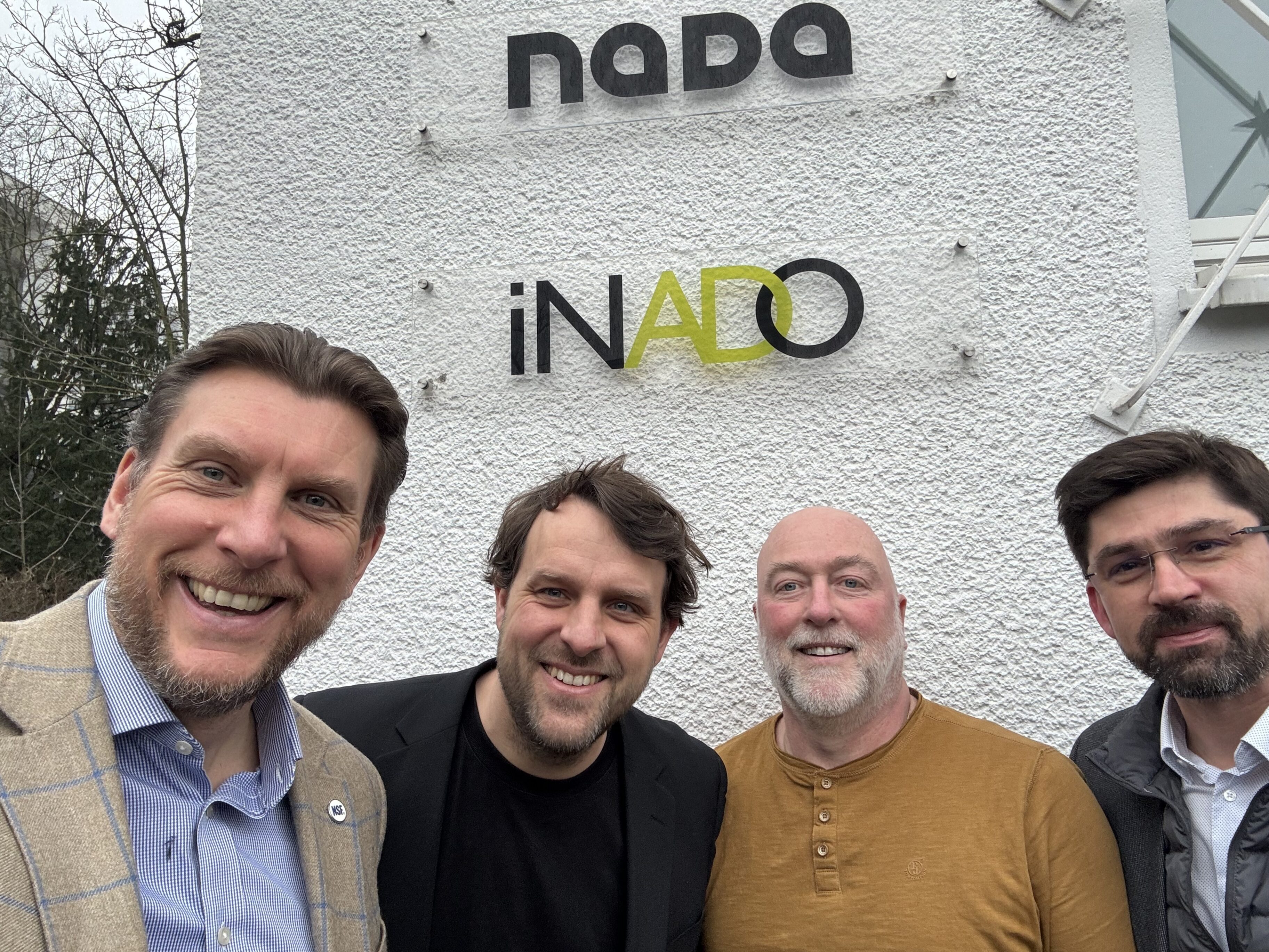
iNADO Partners with NSF to Support Members and Athletes
May 27, 2026iNADO is pleased to welcome NSF’s expertise and experience in support of its members and the athletes they serve
NSF Ends UK’s Three-Year Testing Gap with REG 31 Testing Designation
May 20, 2026NSF’s Oakdale laboratory becomes the UK’s sole facility offering comprehensive BS 6920 and REG 31 testing, closing a critical drinking water safety gap.
Tangent® Materials Announces Industry First: Tangent PolySheet™ CB Earns Certification to NSF 537, Becoming the First PFAS-Free NSF Standard 51 Food Equipment Material
May 20, 2026New food-grade synthetic cutting-board sheet, engineered from the ground up without per- and polyfluoroalkyl substances (PFAS), establishes a new materialsafety benchmark for food-contact and food-equipment applications.
NSF Annual Review and Impact Report 2025 Now Live
April 20, 2026NSF has published its Annual Review and Impact Report 2025, detailing the organization’s progress over the past year and outlining strategic priorities for 2026.