What Does the Strengthening Organic Enforcement Proposed Rule Mean for You?
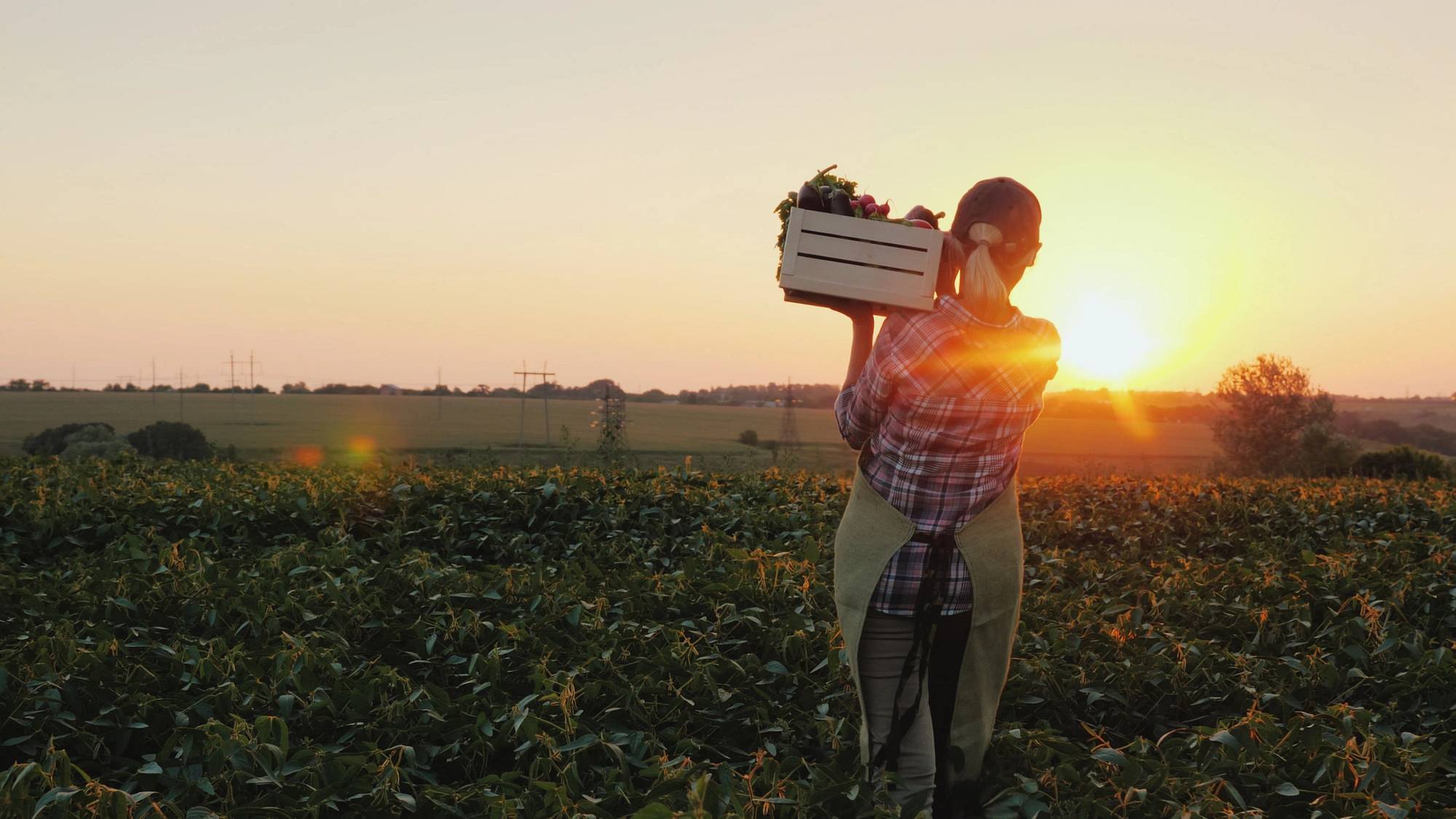
In 2020, the United States Department of Agriculture (USDA) Agricultural Marketing Service published the Strengthening Organic Enforcement (SOE) Proposed Rule to protect integrity in the organic supply chain and provide robust enforcement of the USDA organic regulations.
“The Strengthening Organic Enforcement Proposed Rule would increase oversight across supply chains worldwide with the goal of reducing fraud,” said Sara Risley, Director of Quality Assurance International (QAI), an NSF company and leading provider of organic certification services. “This rule is the largest single piece of rulemaking since the National Organic Program (NOP) regulations went into effect.”
When Will the SOE Proposed Rule Be Finalized and Published?
The comment period for the SOE Proposed Rule closed in October 2020. QAI anticipates that the final rule will be published this fall.
Who Is Impacted by the Rule?
The rule will likely impact nearly all members of the organic supply chain. All businesses who buy, sell, trade or import organic products will be required to hold organic certification from an independent certification body. Businesses who already hold certification, such as existing production and handling operations, will likely have one year to comply with the changes the new rule enforces.
While the final rule is yet to be published, it will likely require the following operation types to hold organic certification:
- Brand owners
- Brokers
- Distributors
- Importers
- Retailers who process organic products
- Traders
Some operations will continue to be exempt from certification, including warehouses that only store organic products for other certified operations and retailers who do not modify organic products.
How Should Businesses Prepare for the Rule?
Any business that will be potentially affected by the rule and/or relies on such businesses as part of their supply chain should start preparing as soon as possible. Early action will help to ensure minimal disruption to business operations.
Once the SOE rule is published, the USDA estimates that 1,000 domestic businesses would require certification for the first time. QAI is here to help and encourages operators to start the certification process now to avoid delays. QAI also offers a free, interactive online course with more information about the certification process.
Certified organic operations should also be prepared for the following major requirements:
- Non-retail or bulk labels will need to include additional information about the organic status of the product and list the organic certification body.
- Electronic Import Certificates will be required for all imported organic products. While import certificates are a part of some US-international equivalency arrangements, the requirement will affect imports to the US from Canada (COR), Mexico (LPO), and other USDA NOP-certified operations worldwide.
- A Fraud Prevention Plan will need to be developed. QAI recommends that clients consider enrolling in the Organic Trade Association’s Organic Fraud Prevention Solutions program.
- Enhanced accreditation and certification oversight, including robust inspections: unannounced inspections, inspector training, trace-back and mass balance audits, and new rules specifically affecting grower groups.
How Will QAI Help Affected Businesses?
In addition to offering free online resources, QAI is prepared for the impact the rule will have once it goes into effect. QAI’s team of organic experts can provide certification services for brand owners, traders, brokers, importers, distributors, processors and farm operators. In addition, QAI supports businesses by processing import and export certificates.
Additional Resources
Quality Assurance International (QAI)

How NSF Can Help You
What’s New with NSF

Information Systems Security Association (ISSA) Welcomes NSF’s Brian Schultz into the 2026 Hall of Fame
September 10, 2026Lifetime achievement recognition honors exceptional leadership and lasting contributions to the cybersecurity profession.
NSF Welcomes Nicole Parent Haughey to Board of Directors
September 10, 2026NSF's appointment of Nicole supports the organization's continued focus on long-term growth and transformation.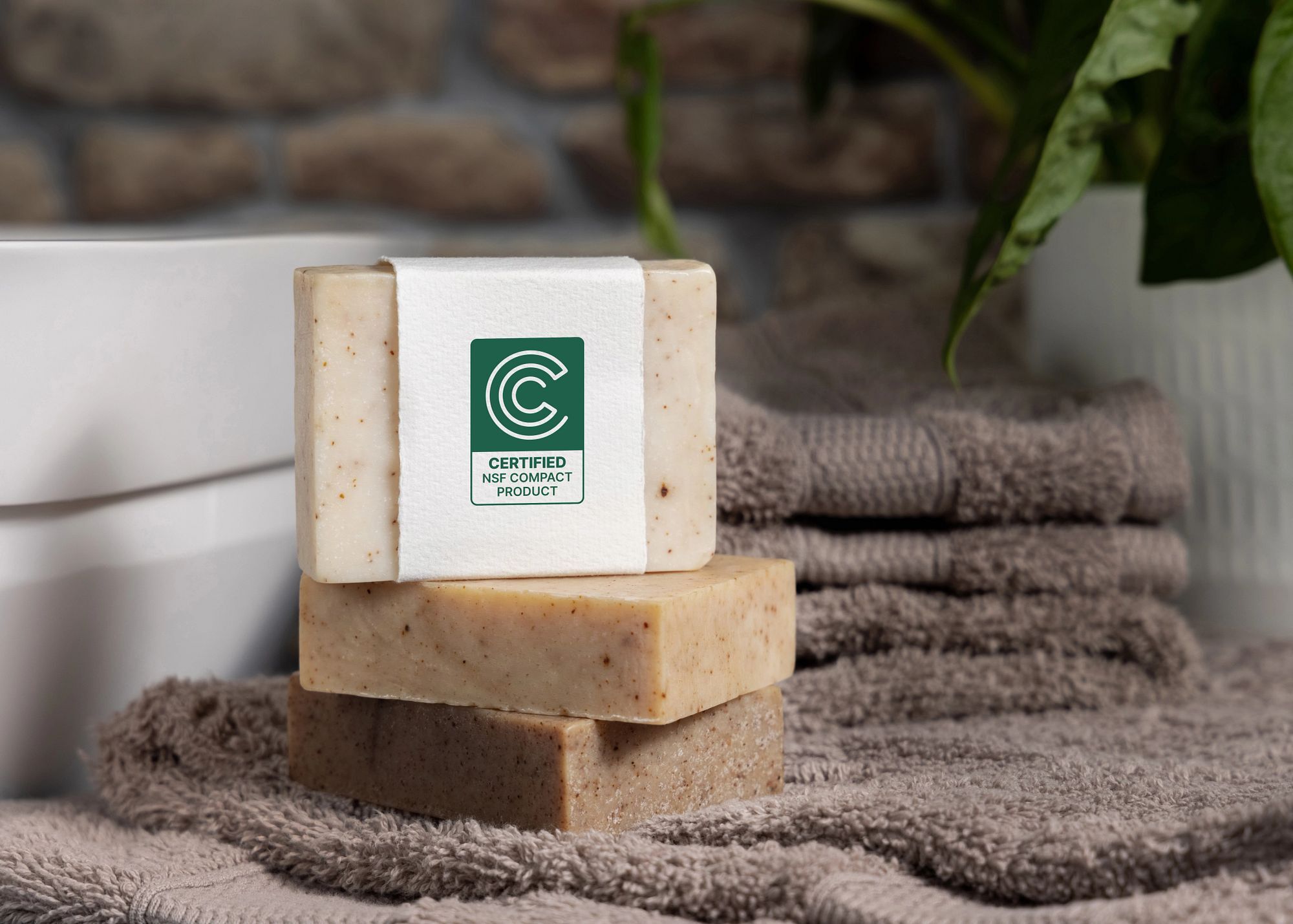
NSF Launches Independent Certification Standard for Compact Products
August 25, 2026New third-party certification verifies products cutting materials and shipping impacts while maintaining safety and performance.
NSF Achieves European Accreditation for Drinking Water Product Certification Ahead of 2027 EU Deadline
July 22, 2026The ISO/IEC 17065 accreditation from BELAC complements NSF’s testing capacity, enabling end-to-end support for EU Drinking Water Directive (DWD) readiness ahead of the January 2027 deadline.