Medical Device Software - Product Lifecycle Processes
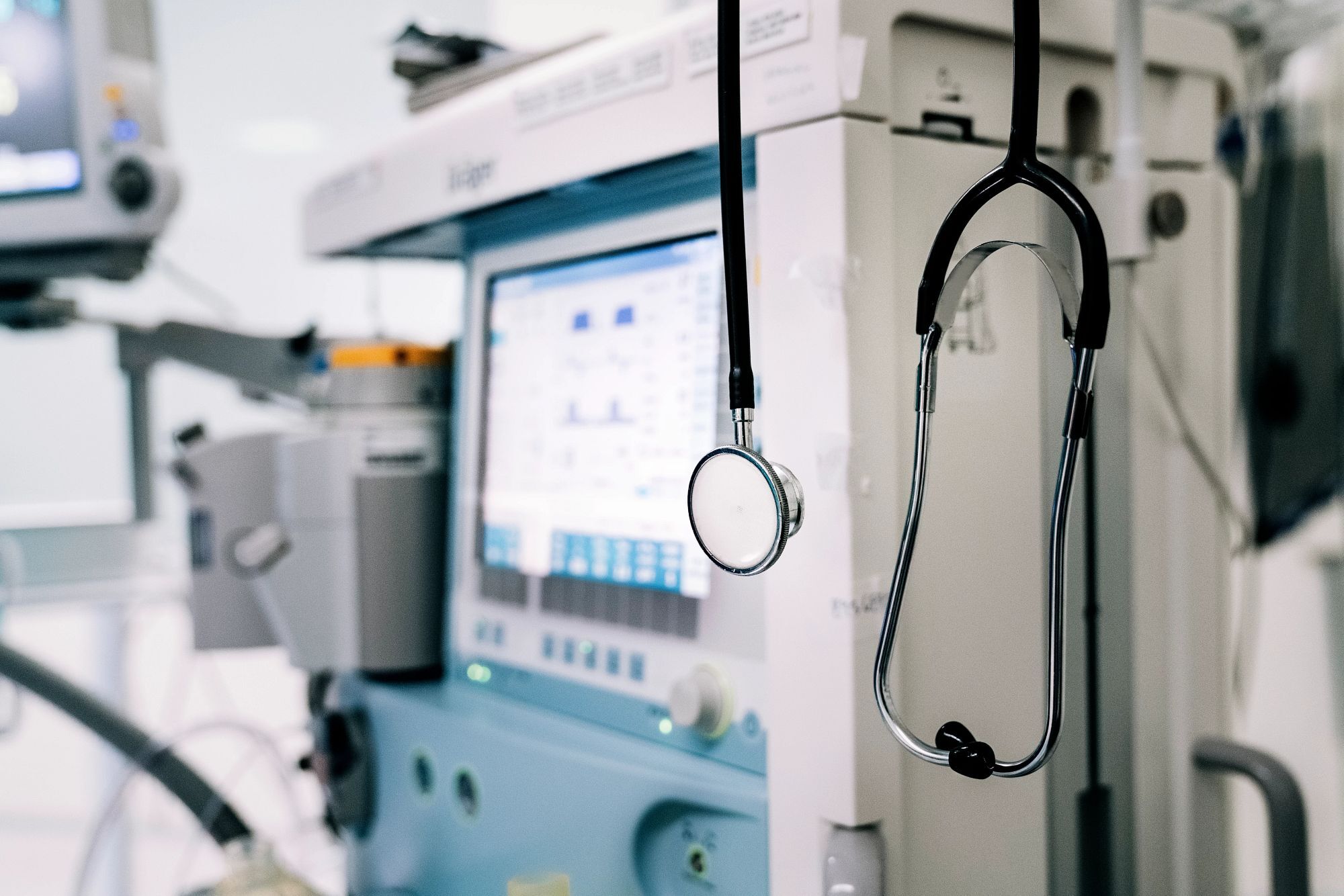
This course provides a comprehensive and practice oriented introduction to the complete product lifecycle of Medical Device Software - both standalone software and software integrated into a medical device. Participants learn when software qualifies as a medical device and how to navigate regulatory classifications, and how to apply requirements of the MDR, FDA, and key international standards.
The training covers lifecycle processes, technical documentation, verification and validation, as well as key interfaces processes such as risk management, usability engineering, and cybersecurity. With deep insights into IEC 62304, IEC 82304-1, and current standardization activities, the seminar equips participants to implement compliant software lifecycle processes. Practical examples and implementation strategies support the transfer of knowledge into real world applications.
Course Outline
- Definitions and regulatory categories of Medical Device Software
- MDR, FDA, and international regulatory expectations
- IEC 62304, IEC 82304-1, and upcoming standardization updates
- Software lifecycle processes and documentation requirements
- Handling SOUP, legacy software, and OTS components
- Risk management, usability engineering, and safety classification
- Verification, validation, and testing strategies
- Cybersecurity integration
- Practical examples and implementation solutions
Learning Outcomes
Terminology and Definitions
- Key terms and definitions related to Medical Device Software
- Distinction between software types and regulatory categories
Regulatory Requirements
- Legal requirements for software in the medical device sector
- MDR obligations and international regulatory expectations
- FDA requirements for medical software and software systems
Norms, Guidelines, and Recommendations
- IEC 62304:2016+A1:2015
- IEC 82304-1:2016
- Upcoming developments for IEC 62304 Edition 2
- Relevant guidelines and best practice recommendations
Software Product Lifecycle Requirements
- Lifecycle processes for both standalone software and embedded software
- Retrospective assessment of software already on the market
- Handling SOUP, legacy software, and OTS components
- Maintenance, configuration, and change management
Technical Documentation
- Structure and required content
- Documentation for national and international regulatory submissions
Verification and Validation
- Verification and validation activities as part of the software development
- Methods, techniques, and practical implementation
Usability and Risk Management
- Risk management aligned with ISO 14971
- Safety classification and risk control measures
- Interfaces to usability engineering
Cybersecurity
- MDR and MDCG cybersecurity requirements
- Integration of cybersecurity into the software lifecycle
Who Should Attend
- Software developers
- PRRC / Article 15 Responsible Persons
- Regulatory Affairs managers
- Manufacturers and operators of medical systems
- Project and development managers
- Risk managers and risk management team members
- Quality Management representatives
Why You Should Attend
This course is ideal for professionals who need a clear and actionable understanding of regulatory and normative requirements for Medical Device Software. It equips participants to implement compliant development processes, integrate cybersecurity and risk management, and prepare robust technical documentation. Practical examples and solution oriented strategies help organizations align software lifecycle activities with QMS requirements and ensure safe, effective, and compliant products.

510(k) Premarket Notification Workshop – Bringing Medical Devices to the U.S. Market

AI Act, MDR/IVDR, QMSR: Practical AI compliance trainings for medical devices

AI in Medical Devices - Expectations in a Maturing Field

Biological Evaluation of Medical Devices - How to Succeed in Your Notified Body Assessment

CAPA Considerations: A Comprehensive Overview
Need help choosing?
Our training advisors can help you find the perfect match.