Water Filtration
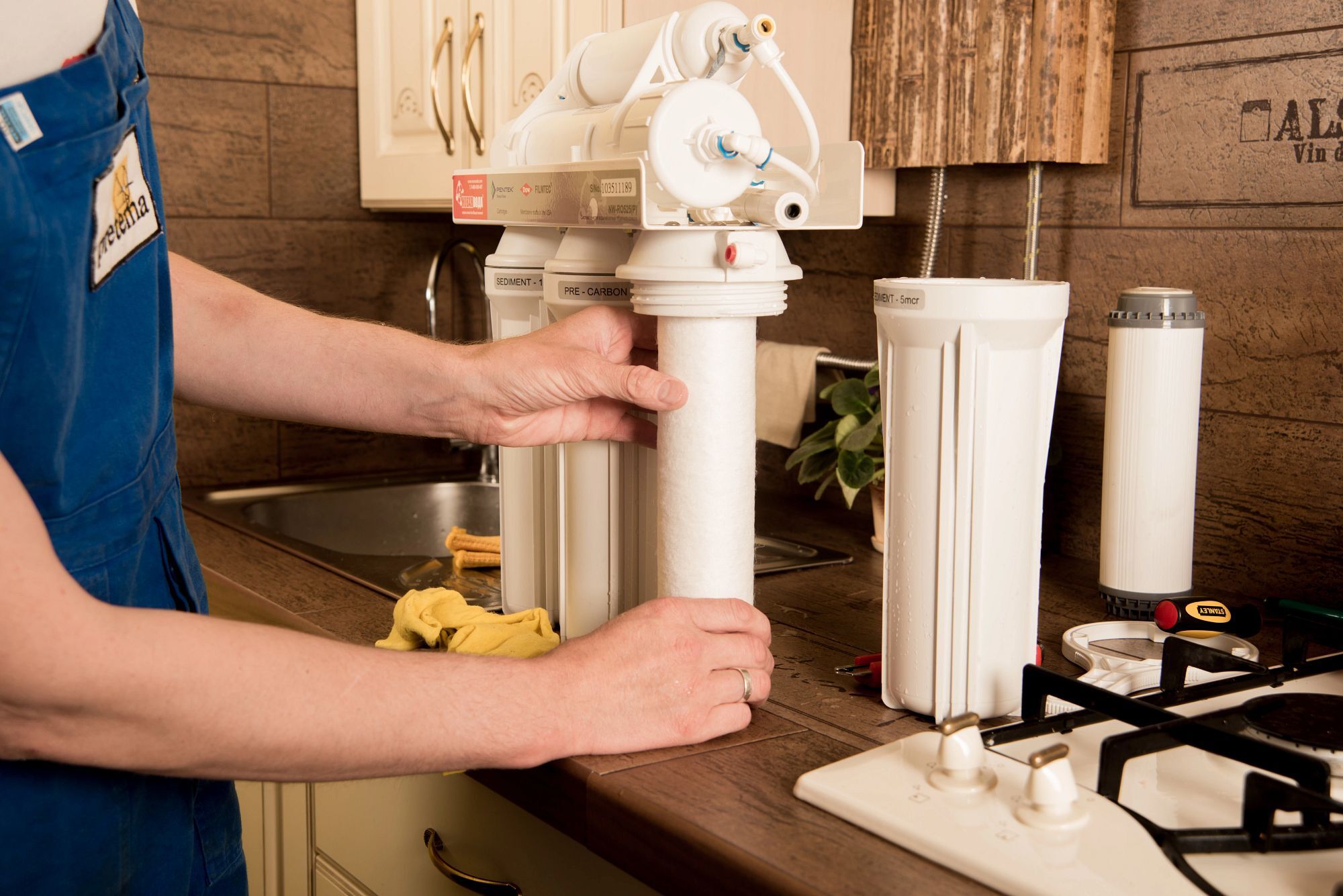
In collaboration with regulators and key stakeholders in the water industry, NSF has formulated standards encompassing the safety and performance criteria for point-of-use, point-of-entry, and membrane-based water treatment systems.
Explore Our Services
Use of NSF consulting services or attending NSF training sessions does not provide an advantage, nor is it linked in any way to the granting of certification.
Filtration Media Certification
Test or certify your water filtration media to meet public health and regulatory requirements.Water Treatment and Filtration Systems
Test or certify your water treatment and filtration systems, whether they are designed for municipal, point-of-use or point-of-entry applications.NSF/ANSI/CAN 61 Testing and Certification
This standard sets benchmarks for evaluating water distribution products and materials. Learn about why it's required and accepted around the world.ISO/IEC 42001 Artificial Intelligence – Management System
Build resilience and manage the risks and opportunities associated with AI systems.NSF/ANSI 177 – Shower Filter Certification
The trusted standard for chlorine reduction in shower filtration.NSF/ANSI 419 – Public Drinking Water Equipment Performance
Independent verification of public drinking water treatment equipment performance.NSF Protocol 549 – Drinking Water Treatment Units, Glyphosate Reduction
Verified confidence for herbicide and pesticide reduction at the point of use.
In line with its mission to enhance public and environmental health, NSF conducts comprehensive testing and certification for a diverse range of filtration components and systems. This spans from the drinking water production facility to the point of entry in a commercial building, and extends to point-of-use treatment systems. NSF supports manufacturers worldwide in substantiating that their products meet structural and safety standards, along with claims of contaminant reduction. This encompasses various systems including under-the-sink systems, water pitchers, tap and shower filters, water softeners, distillation systems, and atmospheric water harvesters.
Certifying your products under universally recognized and accepted NSF standards and protocols like NSF/ANSI 42, NSF/ANSI 53, and many others not only facilitates their entry into the most stringent markets but also distinguishes them from competitors by meeting elevated health and safety criteria.
While product certification in the water treatment industry is often voluntary, manufacturers gain substantial advantages from collaborating with NSF experts, including:
- A dedicated account manager to guide you throughout the process.
- Swift testing is conducted in state-of-the-art labs, enabling you to meet your business objectives promptly.
- Use of the NSF mark, broadening market access and instilling consumer confidence.
- An independent study commissioned by NSF revealed that 75% of consumers prefer products with a certification mark. All certified filtration technologies are listed on NSF’s website, augmenting your product’s visibility among consumers.
How NSF Can Help You

What’s New with NSF
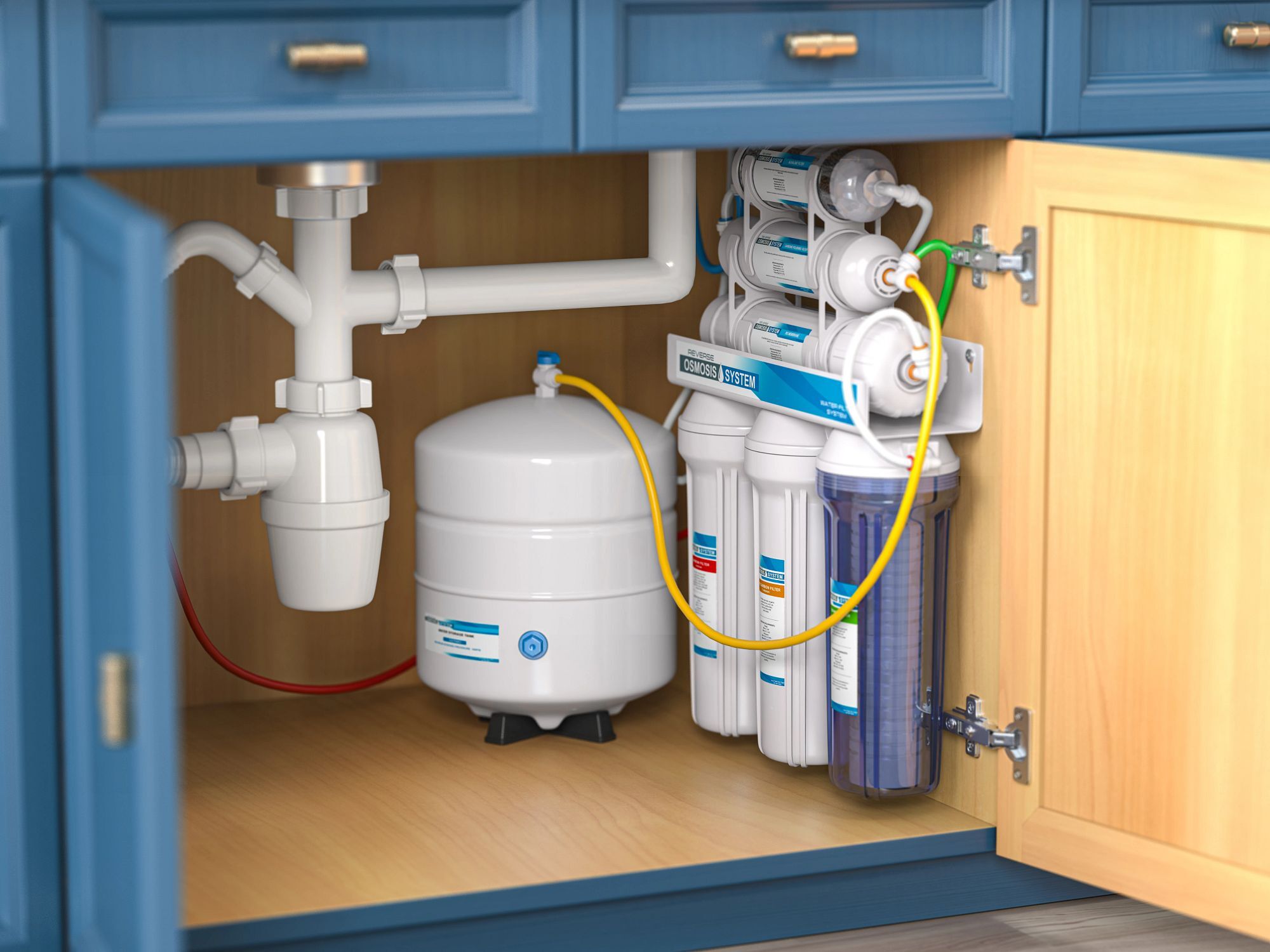
NSF Launches Protocol 549 for Glyphosate Reduction Claims
October 14, 2026P549 is the first standard globally that validates glyphosate reduction performance of water filtration systems and products.