FAQs on NSF/ANSI/CAN 60 Certification
Product certification to NSF/ANSI/CAN 60: Drinking Water Treatment Chemicals - Health Effects is required in most U.S. states and Canadian provinces and territories and serves as an important tool to ensure the safety and suitability of chemicals used in the treatment of public drinking water supplies.
In recent months, NSF has received a few questions regarding the scope of NSF/ANSI/CAN 60 certification during the transport and delivery of chemical products.
Q: What should I look for to verify that a received chemical is certified to NSF/ANSI/CAN 60?
A: The company name, product name and facility designation (city and state/province/country or unique facility identification number) should be shown on the product label or accompanying documentation for bulk shipments. In addition, the NSF mark and the product’s maximum use level (MUL) are required to be on the product label or other accompanying documentation provided with the delivered product.
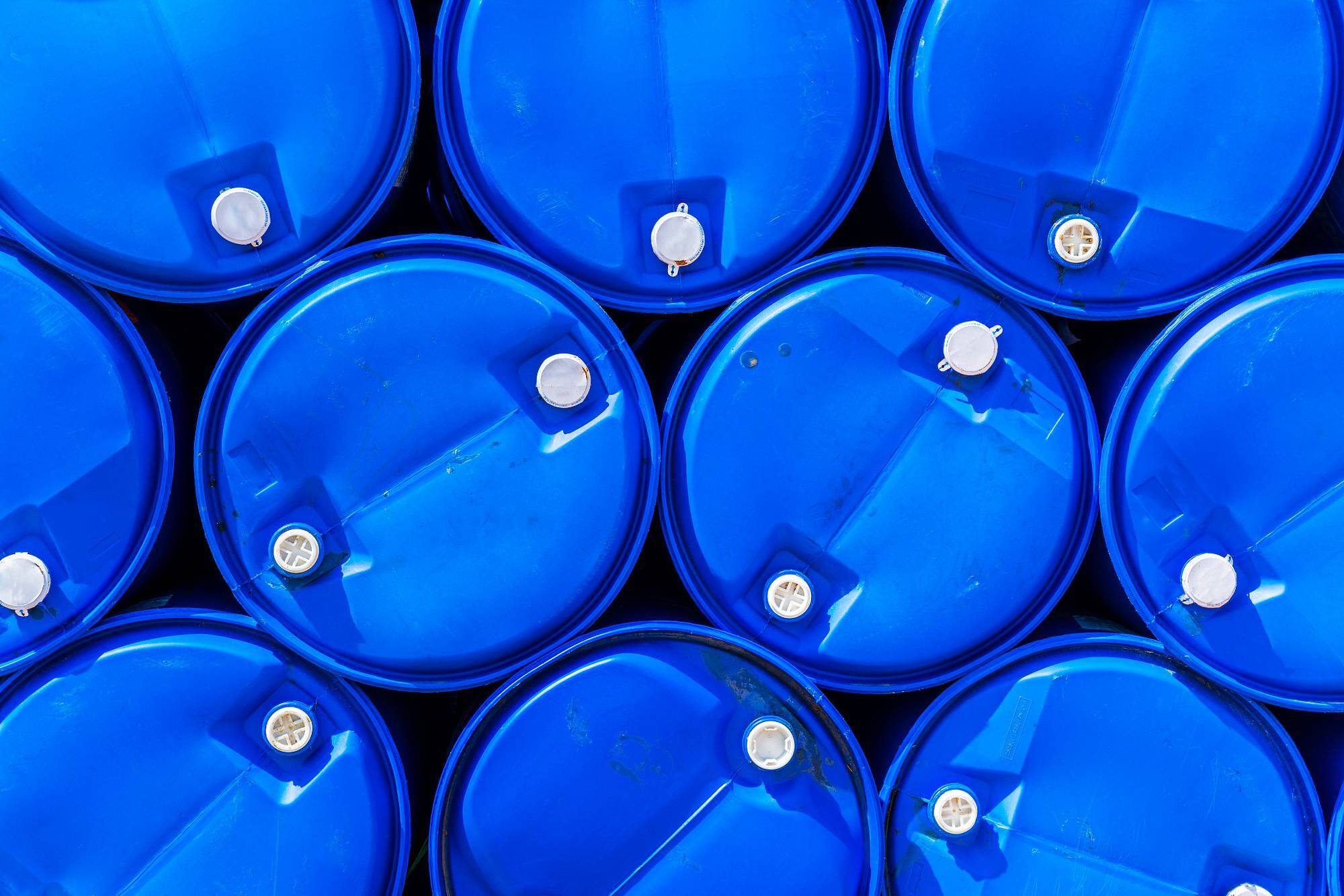
End users should check to ensure that the received chemicals arrive in properly sealed containers (including railcars, tank trucks, totes and drums) that are sourced directly from a company and facility that appears in the NSF/ANSI/CAN 60 listings.
The company name, product name, maximum use level, facility designation and NSF mark should match the information shown in the official NSF certification listings for the respective company and product.
Q: What are NSF’s certification policies for treatment chemicals that are repackaged or otherwise transferred between containers off-site from the original NSF/ANSI/CAN 60 certified facility?
A: For a treatment chemical to be considered NSF certified upon arrival, the delivered product must have been inspected and evaluated at all points in the supply chain prior to reaching the water utility/end user site. Therefore, the NSF/ANSI/CAN 60 certification of a certified chemical ends (is voided) when it is repackaged, diluted, transferred between containers, blended, reacted or otherwise handled subsequent to shipment from the certified manufacturer’s location. A distributor of chemicals (originating from NSF/ANSI/CAN 60-certified source products) may apply for and obtain a separate NSF/ANSI/CAN 60 certification through NSF.
The chemical distribution location will receive site audits by NSF as well as testing of at least one representative product sample to the requirements of NSF/ANSI/CAN 60. The site audits and product testing are conducted prior to certification and on an annual basis after certification is granted. These monitoring activities are conducted to ensure that chemical products are protected from contamination during transport and delivery to the water utility/end user site.
Q: Is NSF/ANSI/CAN 60 certification required for chemicals that are repackaged/diluted, or otherwise transferred between containers or storage tanks, on-site at drinking water utilities?
Also, is NSF/ANSI/CAN 60 certification required if a water utility operation blends chemical together or produces new chemicals in a reaction (on the utility grounds)?
A: After delivery of chemicals to the water utility, any further handling of the chemicals (including transfers between containers, repackaging, dilutions, blending or reactions) conducted on the utility grounds is considered a component of the water utility’s operation. The determination of whether NSF/ANSI/CAN 60 certification is required in these situations rests with the water utility and/or the governmental regulatory agency that has primacy for enforcement of drinking water regulations in that location.
In many cases, a third-party NSF/ANSI/CAN 60 certification of the water utility’s chemical-handling operation may not be required, provided that each incoming chemical arrives in its original sealed container or bulk delivery vessel from an NSF/ANSI/CAN 60-certified chemical vendor, and that subsequent chemical-handling processes are monitored as part of the relevant regulatory agency’s monitoring of the utility operation.
However, the water utility or governmental regulatory agency may require a separate NSF/ANSI/CAN 60 certification of the utility’s chemical production or handling operation. In this scenario, the water utility would apply for NSF/ANSI/CAN 60 certification and receive routine site audits and testing of the resulting chemical to the requirements of NSF/ANSI/CAN 60, similar to the process followed by chemical manufacturers and distributors.
Separate from product certification, NSF is also able to conduct testing of treatment chemicals that are produced (or distributed) at utility sites, upon request/contract by the water utility and/or the water regulatory agency.
Want More Information?
Certify Your Pool and Spa Equipment

Certify Your Pool and Spa Chemicals

How NSF Can Help You

What’s New with NSF
NSF Launches Protocol 549 for Glyphosate Reduction Claims
October 14, 2026P549 is the first standard globally that validates glyphosate reduction performance of water filtration systems and products.
NSF Welcomes Nicole Parent Haughey to Board of Directors
September 10, 2026NSF's appointment of Nicole supports the organisation's continued focus on long-term growth and transformation.
NSF Launches Independent Certification Standard for Compact Products
August 25, 2026New third-party certification verifies products cutting materials and shipping impacts while maintaining safety and performance.
NSF Achieves European Accreditation for Drinking Water Product Certification Ahead of 2027 EU Deadline
July 22, 2026The ISO/IEC 17065 accreditation from BELAC complements NSF’s testing capacity, enabling end-to-end support for EU Drinking Water Directive (DWD) readiness ahead of the January 2027 deadline.