Safety Roadshow Takeaways: Addressing the Challenge of Pest Control in Food Businesses
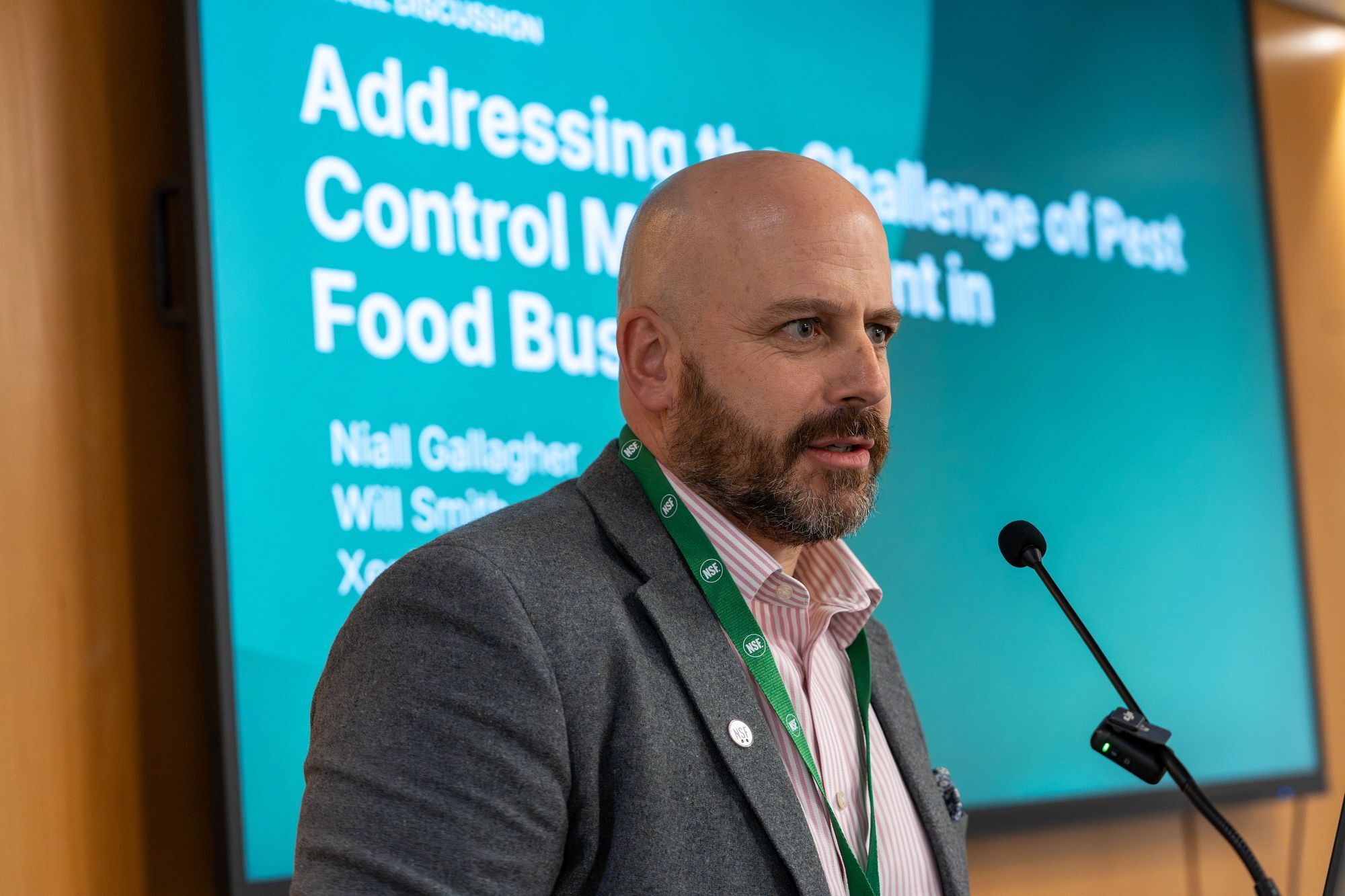
Pest control is a business-critical function that underpins food safety, legal compliance, and operational continuity. This article summarises the key takeaways from both speaker sessions, highlighting actionable insights and strategic guidance from Niall and Will.
Why pest control matters
Pest issues can have devastating consequences:
- Legal fines and enforcement
- Loss of revenue
- Reputational damage
- Site closures and trading restrictions.
“Are you safe to trade?” should be a daily question, not a reactive one.
Integrated Pest Management (IPM): prevention first
IPM is a layered, strategic approach that prioritises prevention over reaction. It uses a hierarchy of control:
- Environmental: Housekeeping, proofing, sanitation.
- Physical: Traps, barriers, exclusion.
- Chemical: Pesticides - used only as a last resort.
“If you build the basics, the rest takes care of itself.”
Risk assessments: set the right standard
Effective pest control starts with robust risk assessments:
- Are all pests included?
- What controls are in place?
- Is the risk of re-infestation considered?
- Are you reactive or proactive?
Housekeeping, storage and water management
Poor hygiene and clutter attract pests. Key actions:
- Implement regular cleaning schedules.
- Maintain organised, pest-proof storage systems.
- Eliminate standing water, mosquitoes and rats thrive on it.
- Cheque your housekeeping, is it under control or are teams too busy?
Make pest control a priority.
Proofing and materials: design for defence
Prevention is more cost-effective than cure:
- Use rodent-proof, easy-to-clean materials.
- Address vulnerabilities early, ideally during site design.
- Involve pest controllers at the design stage.
Legal compliance: know the law
- Glue traps are illegal without a licence in most UK regions.
- Only licenced professionals can apply for and use them under strict conditions.
- Stay informed about emerging risks - e.g. research suggests links between histamine and bed bugs.
Operational framework: make it business-as-usual
Pest control should be embedded into daily operations:
- Create a pest charter to define roles and responsibilities.
- Use dashboards for visibility and escalation.
- Conduct daily pest cheques before opening.
- Inspect accommodation areas every 48 hours.
Team collaboration: build strong partnerships
Success depends on teamwork:
- Site leaders should shadow pest technicians and act on findings.
- Set up weekly calls with pest contractors.
- Foster a culture of shared responsibility.
“If you don’t have a relationship with your pest contractor, it won’t work.”
Incident management: be ready to respond
- Ensure everyone knows what to do and who to contact.
- Establish critical care escalation protocols.
- Use platforms like NSF Connect for documentation and compliance.
Pest control is a strategic imperative. By embedding prevention into your culture, maintaining high standards, and protecting your operations through collaboration and compliance, you safeguard your business and your customers.
At NSF, we understand that effective pest control is about more than compliance – it’s about protecting your brand, your customers and business continuity. Our experts can support you in building robust pest management frameworks, and conducting risk assessments.
“Treat pests as a business-as-usual activity - with prevention as the primary focus.”
Need support with your pest control strategy?
What’s New with NSF
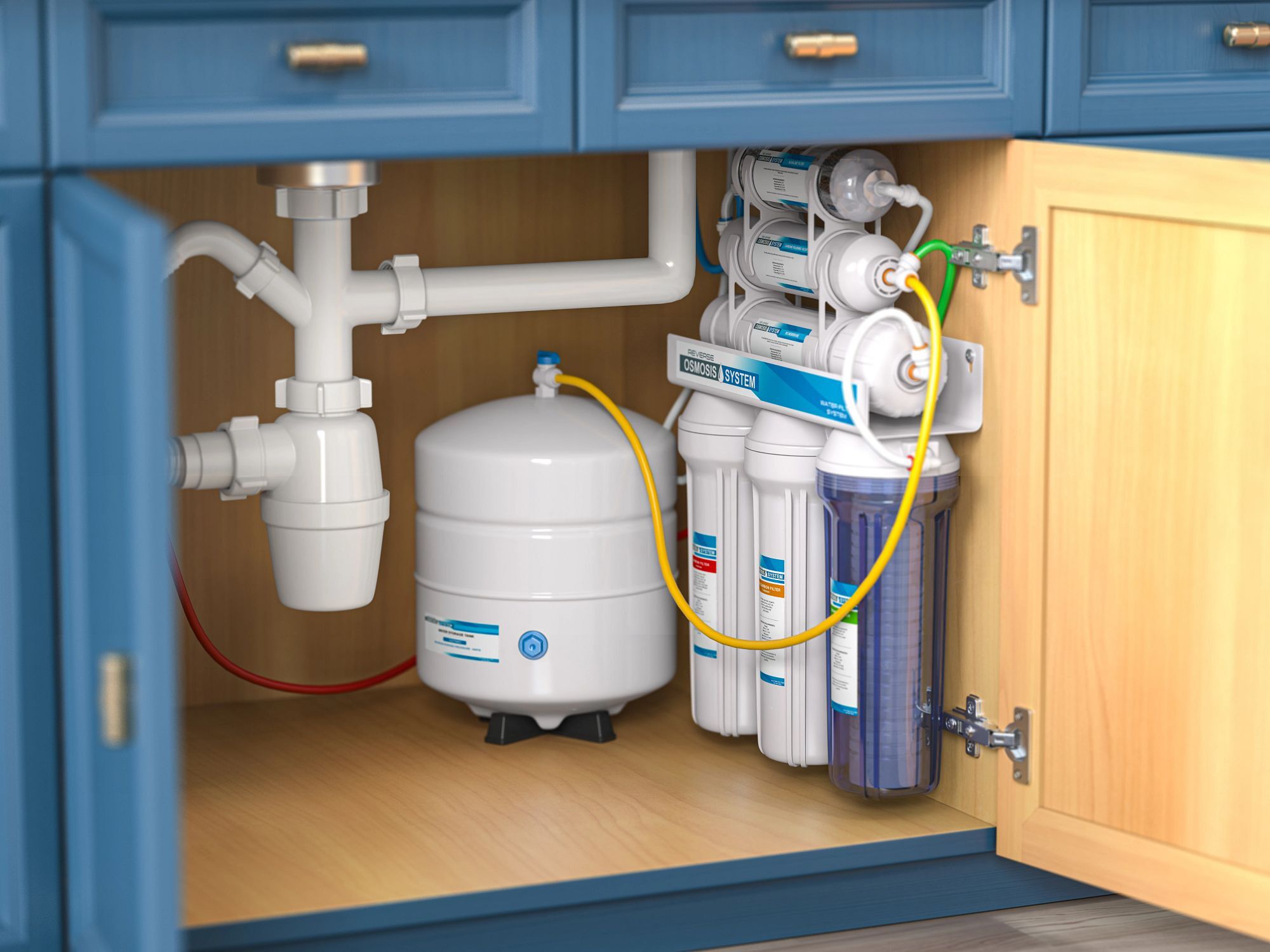
NSF Launches Protocol 549 for Glyphosate Reduction Claims
October 14, 2026P549 is the first standard globally that validates glyphosate reduction performance of water filtration systems and products.
NSF Welcomes Nicole Parent Haughey to Board of Directors
September 10, 2026NSF's appointment of Nicole supports the organisation's continued focus on long-term growth and transformation.
NSF Launches Independent Certification Standard for Compact Products
August 25, 2026New third-party certification verifies products cutting materials and shipping impacts while maintaining safety and performance.