Understanding the EU Minimum Health Requirements for Water Products

The European Union (EU) has established a comprehensive framework of harmonised standards aimed at ensuring the safety and quality of water-related products. This initiative is crucial for manufacturers, suppliers, and consumers alike, as it sets a framework for compliance, trade and drinking water safety across member states. In this article, we will delve into the intricacies of the EU-MHR for water products, exploring their historical context, current regulations, and implications for businesses operating within the EU.
Historical context of EU water standards
The journey towards establishing harmonised standards for water products in the EU has been a lengthy one, spanning several decades. The roots of this initiative can be traced back to the 1980s when discussions began regarding the need for a unified approach to water quality and safety across member states.
The evolution of regulations
Over the years, each member state introduced national directives and regulations, each contributing to the current framework. The Drinking Water Directive (DWD) and the more recent EU Minimum Health Requirements (EU MHR) are pivotal in this evolution. These regulations aim to protect public health by ensuring that water products meet stringent safety criteria.
The role of stakeholders
The development of these standards has involved collaboration among numerous stakeholders, including government agencies, industry representatives, and consumer advocacy groups. This collaborative approach has been essential in addressing the diverse needs and concerns of all parties involved.
Overview
The EU-MHR for water products encompasses a wide range of regulations that govern the manufacturing, testing, and certification of products intended for contact with drinking water. The standard is designed to ensure that products do not adversely affect water quality and are safe for consumer use.
Key regulations
- Drinking Water Directive (DWD): This directive outlines the quality standards for drinking water across the EU, establishing limits for various contaminants and ensuring that water suppliers adhere to strict monitoring and reporting requirements.
- EU Minimum Health Requirements (EU MHR): This regulation sets out the essential health and safety requirements for products that come into contact with drinking water. It mandates that all such products must undergo rigorous testing and certification to ensure compliance.
- EN standards: The European Committee for Standardization (CEN) develops specific standards (EN standards) that provide detailed guidelines for testing and certification processes. These standards are crucial for manufacturers seeking to demonstrate compliance with EU regulations.
The certification process
Obtaining certification under the EU-MHR involves a systematic process that manufacturers must navigate to ensure their products meet the necessary requirements.
Steps in the certification process
- 1
Application submission
Manufacturers must submit an application detailing the product specifications and intended use. - 2
Technical review
A thorough technical review is conducted to assess the product's compliance with relevant standards. - 3
Testing and evaluation
Products undergo rigorous testing in accredited laboratories to evaluate their safety and performance. - 4
Audit of manufacturing facilities
An audit of the manufacturing facility is performed to ensure that production processes adhere to quality standards. - 5
Issuance of certification
Upon successful completion of the above steps, certification is granted, allowing the product to be marketed within the EU.
Transition periods
Challenges faced by manufacturers
While the establishment of EU-MHR has streamlined the regulatory landscape, manufacturers still face several challenges in achieving compliance.
Fragmentation of standards
One of the primary challenges is the fragmentation of national standards that existed prior to the introduction of EU-MHR. Manufacturers who previously held certifications under national standards may find it difficult to transition to the new EU framework.
Administrative burden
The certification process can be resource-intensive, requiring significant time and financial investment. Smaller manufacturers, in particular, may struggle to meet the demands of compliance, leading to potential market disadvantages.
Keeping up with changes
The dynamic nature of regulations means that manufacturers must remain vigilant and proactive in keeping up with changes to standards and requirements. This necessitates ongoing training and education to ensure that staff are informed about the latest developments.
The role of notified bodies
Notified bodies play a crucial role in the certification process, acting as independent organisations that assess compliance with EU-MHR.
Functions of notified bodies
- Testing and Certification: Notified bodies conduct the necessary testing and evaluation of products to ensure they meet safety and quality standards.
- Technical Guidance: They provide manufacturers with technical guidance on compliance requirements, helping them navigate the certification process more effectively.
- Market Surveillance: Notified bodies also engage in market surveillance to ensure that products on the market continue to meet the required standards.
Future developments in EU water standards
European Approvals and Certifications

How NSF Can Help You

What’s New with NSF
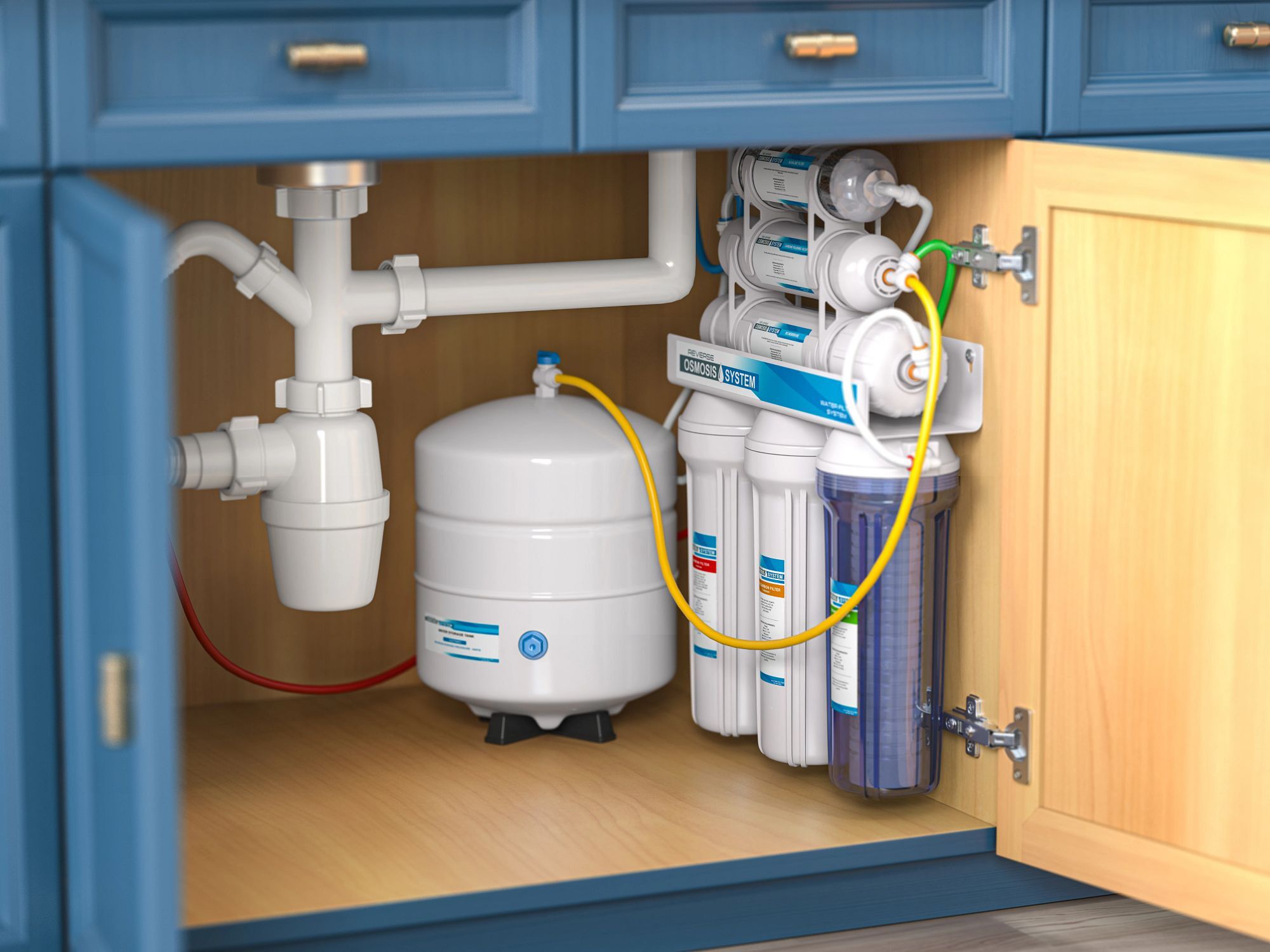
NSF Launches Protocol 549 for Glyphosate Reduction Claims
October 14, 2026P549 is the first standard globally that validates glyphosate reduction performance of water filtration systems and products.
NSF Welcomes Nicole Parent Haughey to Board of Directors
September 10, 2026NSF's appointment of Nicole supports the organisation's continued focus on long-term growth and transformation.
NSF Launches Independent Certification Standard for Compact Products
August 25, 2026New third-party certification verifies products cutting materials and shipping impacts while maintaining safety and performance.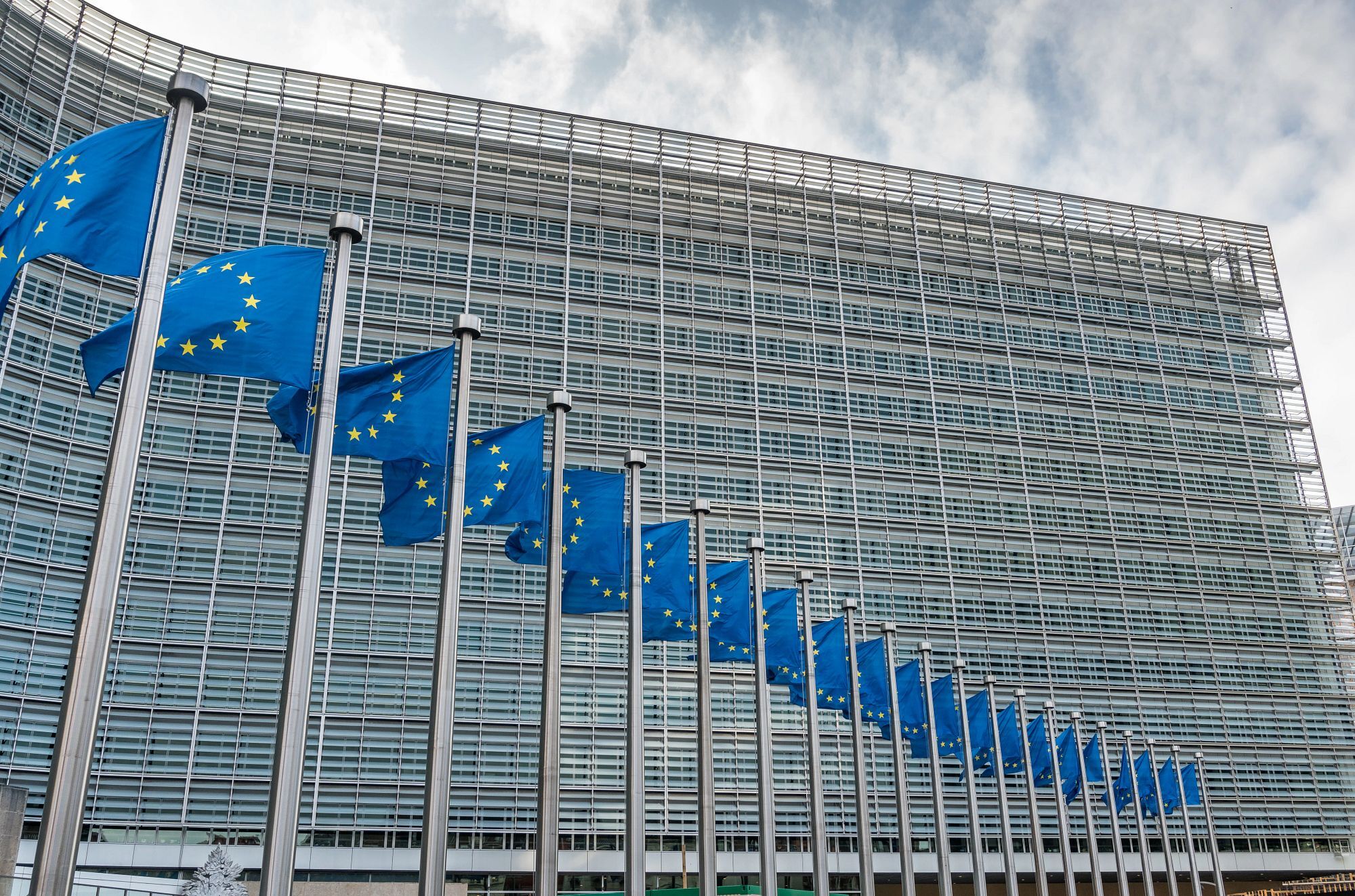
NSF Achieves European Accreditation for Drinking Water Product Certification Ahead of 2027 EU Deadline
July 22, 2026The ISO/IEC 17065 accreditation from BELAC complements NSF’s testing capacity, enabling end-to-end support for EU Drinking Water Directive (DWD) readiness ahead of the January 2027 deadline.