What are Environmental Claims?

When it comes to sustainability and the environment, consumers want to do the right thing. In fact, according to research1, 78% of consumers feel sustainability is an important factor when shopping. However, many are sceptical about the environmental claims companies make.
Globally, 52% of the public believe companies and brands aren’t being altogether transparent with their green claims and are instead ‘greenwashing’ their sustainability initiatives to make them sound more impressive than they actually are.2
For example, some companies and brands use non-specific claims and terminology such as ‘gentle on the environment’ and ‘ecological’. Sustainability badges or eco labels that are not backed by a certification scheme or a public body are also frequently used.
There are over 450 recognised eco labels currently in use worldwide.3 Add to this the numerous company-specific eco labels designed to highlight sustainability efforts, and it’s clear why consumers feel there is a lack of clarity when it comes to environmental claims.
Until recently, environmental marketing legal requirements have been few and far between, and they vary across the globe. However, there is an increasing shift to introduce regulation in a bid to prevent greenwashing and enable consumers to make environmental purchases based on trusted information.
In 2022, the US Federal Trade Commission (FTC) launched a review of the ‘Guides for the Use of Environmental Claims’, or Green Guides as they are commonly known. Originally published in 2012, the FTC has plans to update them to “reflect developments in consumers’ perception of environmental marketing claims”.4
In 2024, Canada amended its Competition Act’s Deceptive Marketing Practices section with a series of new rules passed into law aimed at tackling greenwashing. This was followed in 2025 with the country’s Competition Bureau release of final guidelines on environmental claims, which includes guidance for companies about net-zero goals and timelines, and the requirement for claims to be substantiated. The guidelines note that “claims about the future can be considered greenwashing if they represent little more than wishful thinking”.5
As scrutiny steps up, independent third-party verification of environmental claims is more relevant than ever. It will help your business create differentiation in the market while building credibility and consumer trust.
What is an environmental claim?
Environmental claims – also known as ‘green’ claims – are statements that suggest a product, service or business is better for, or does less harm to, the environment than alternative products, services or businesses. These claims might appear on packaging, on websites, in advertising or other marketing materials.Currently, companies can say almost anything about what they are doing to protect the environment with little by way of legal comeback. However, consumer scepticism is making more and more companies recognise the need to be transparent about environmental claims they make.Claims commonly made relate to:
- Reduced carbon footprint
- Recycled content
- Product carbon footprint
- Green products
- Bio-based content.
Without independent verification of such claims, however, and you could run the risk of ‘greenwashing’. For example, a claim such as “reducing our carbon footprint” requires that the organisation making the claim has calculated its carbon footprint and had it verified by an independent third party, to create a baseline against which its future carbon emissions can be compared. It must also have in place a means to track and report its progress against this baseline.
Is it worth validating environmental claims?
If you’re wondering “does green claim verification boost trust?”, the answer is yes.
Verified claims show that you are committed to sustainability, which builds trust with consumers and business partners alike.
In fact, research has revealed that 69% of CEOs view sustainability as a growth opportunity.6
The survey of 400 CEOs and other senior business executives from around the globe, including North America, found that “sustainability consistently remains a top 10 business priority”. Sustainable products and services, business practices, stakeholder engagement and decarbonisation, are among the ways sustainability is being used to drive business growth.
Of course, it’s important to consider the cost vs benefit of validating sustainability claims. However, with more regulations emerging to help protect consumers and companies, the question to ask is perhaps, “can we afford not to validate environmental claims?”.
Environmental Claim Verification
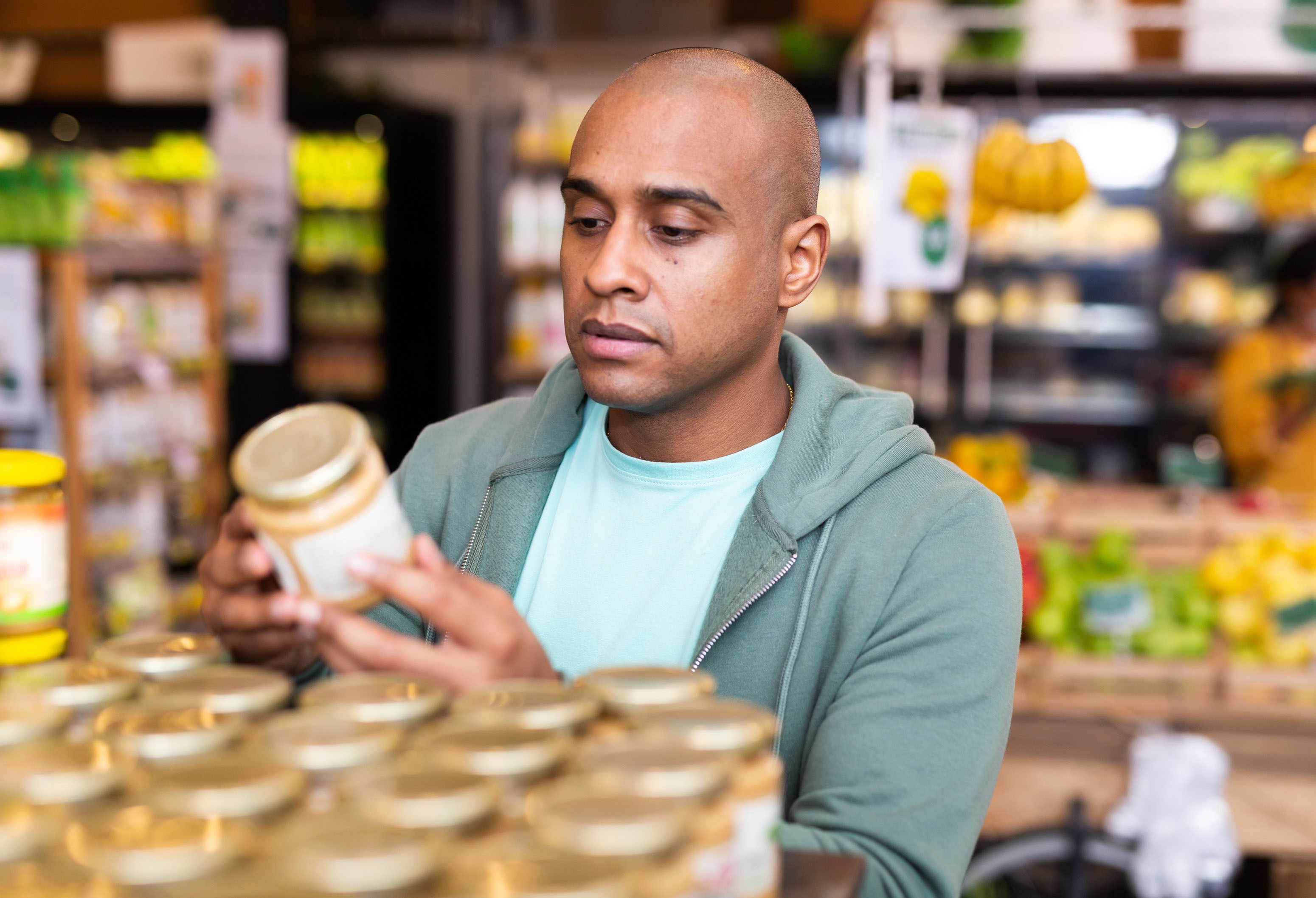
Ready to build environmental credibility and grow your business?
What’s New with NSF
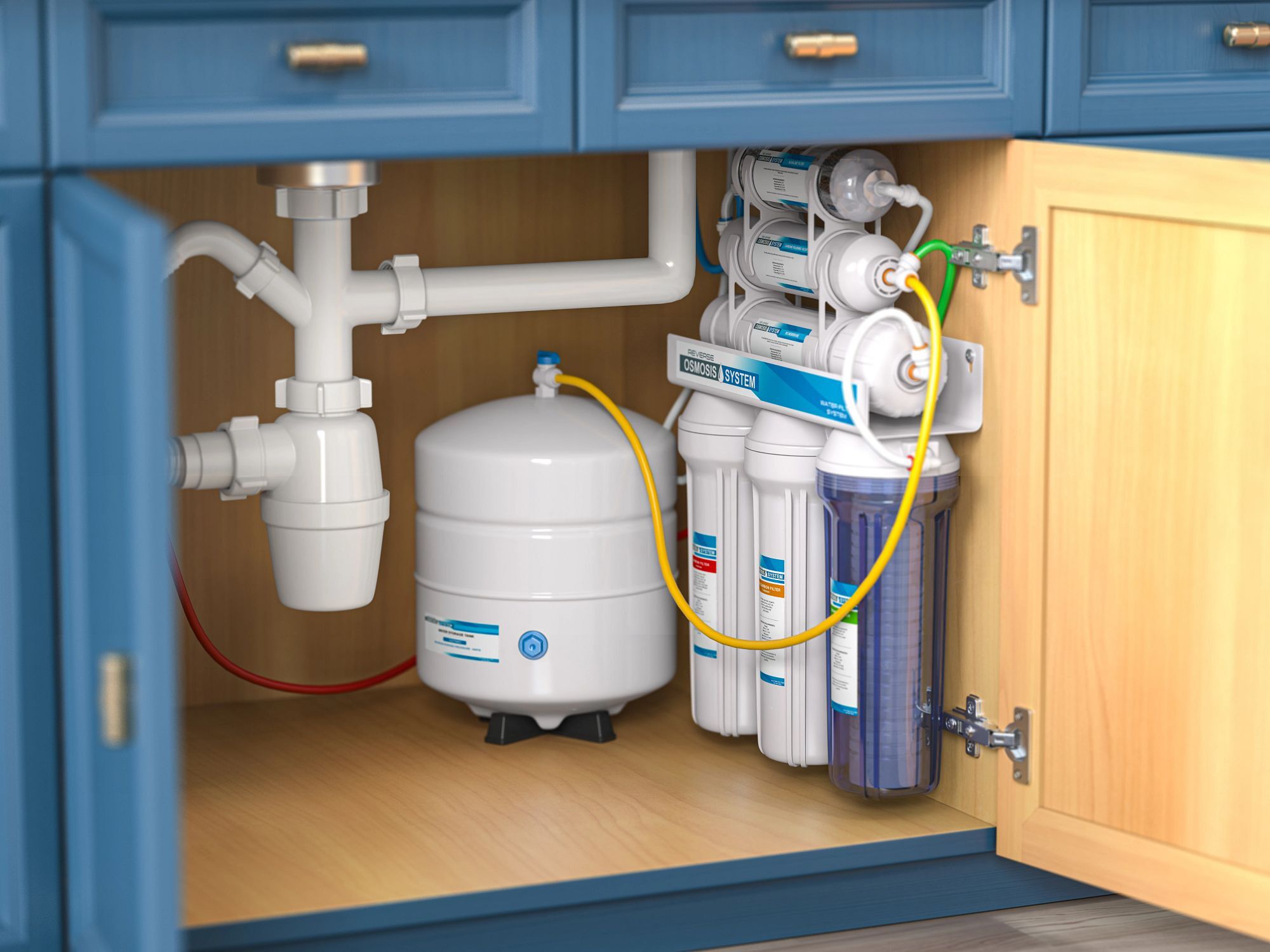
NSF Launches Protocol 549 for Glyphosate Reduction Claims
October 14, 2026P549 is the first standard globally that validates glyphosate reduction performance of water filtration systems and products.
NSF Welcomes Nicole Parent Haughey to Board of Directors
September 10, 2026NSF's appointment of Nicole supports the organisation's continued focus on long-term growth and transformation.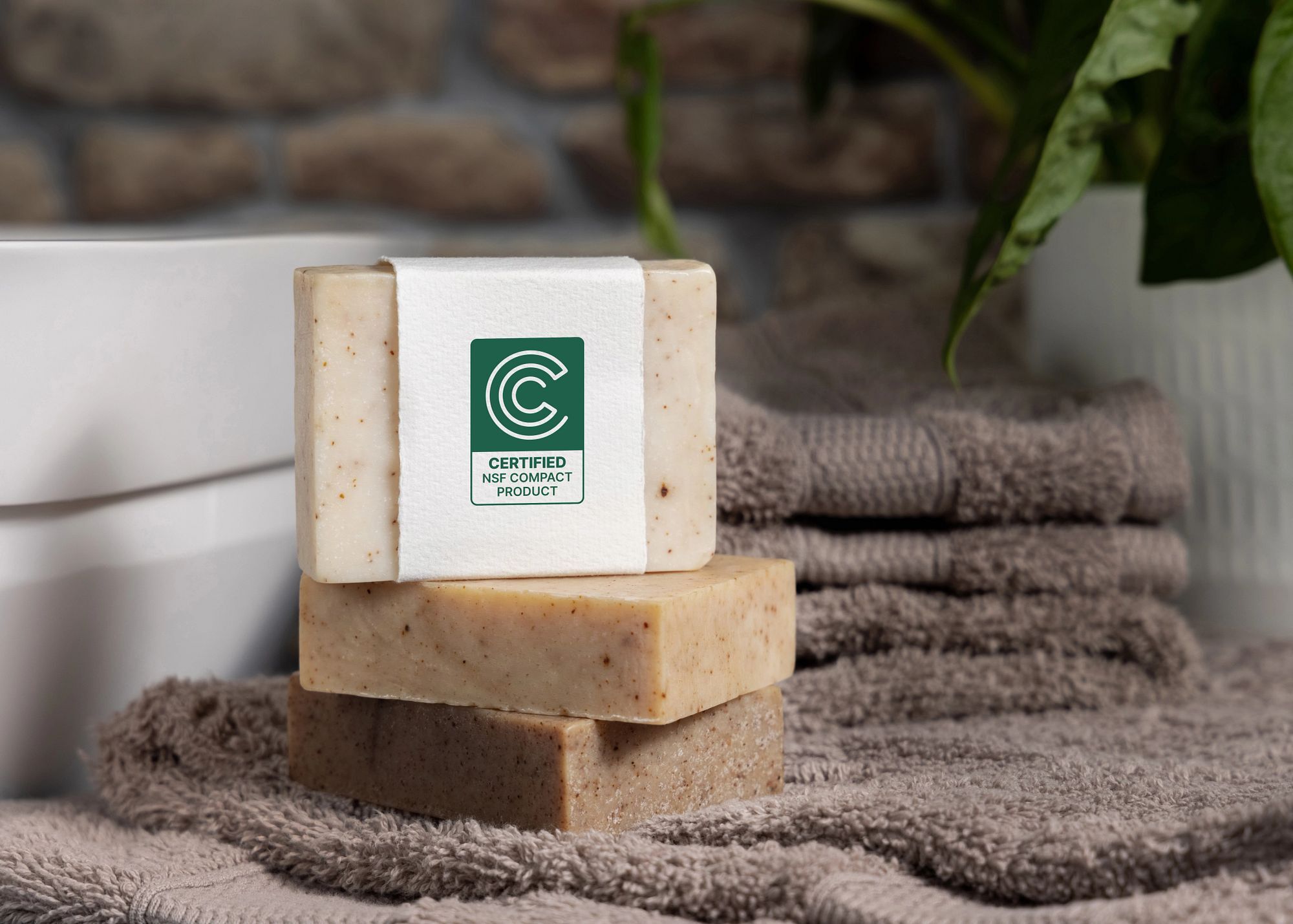
NSF Launches Independent Certification Standard for Compact Products
August 25, 2026New third-party certification verifies products cutting materials and shipping impacts while maintaining safety and performance.