What Manufacturers Need to Know About Electrical Safety Testing Certification for Refrigeration Equipment
Guidance on Electrical Safety Testing Certification for commercial refrigeration equipment manufactured for sale to the US market.
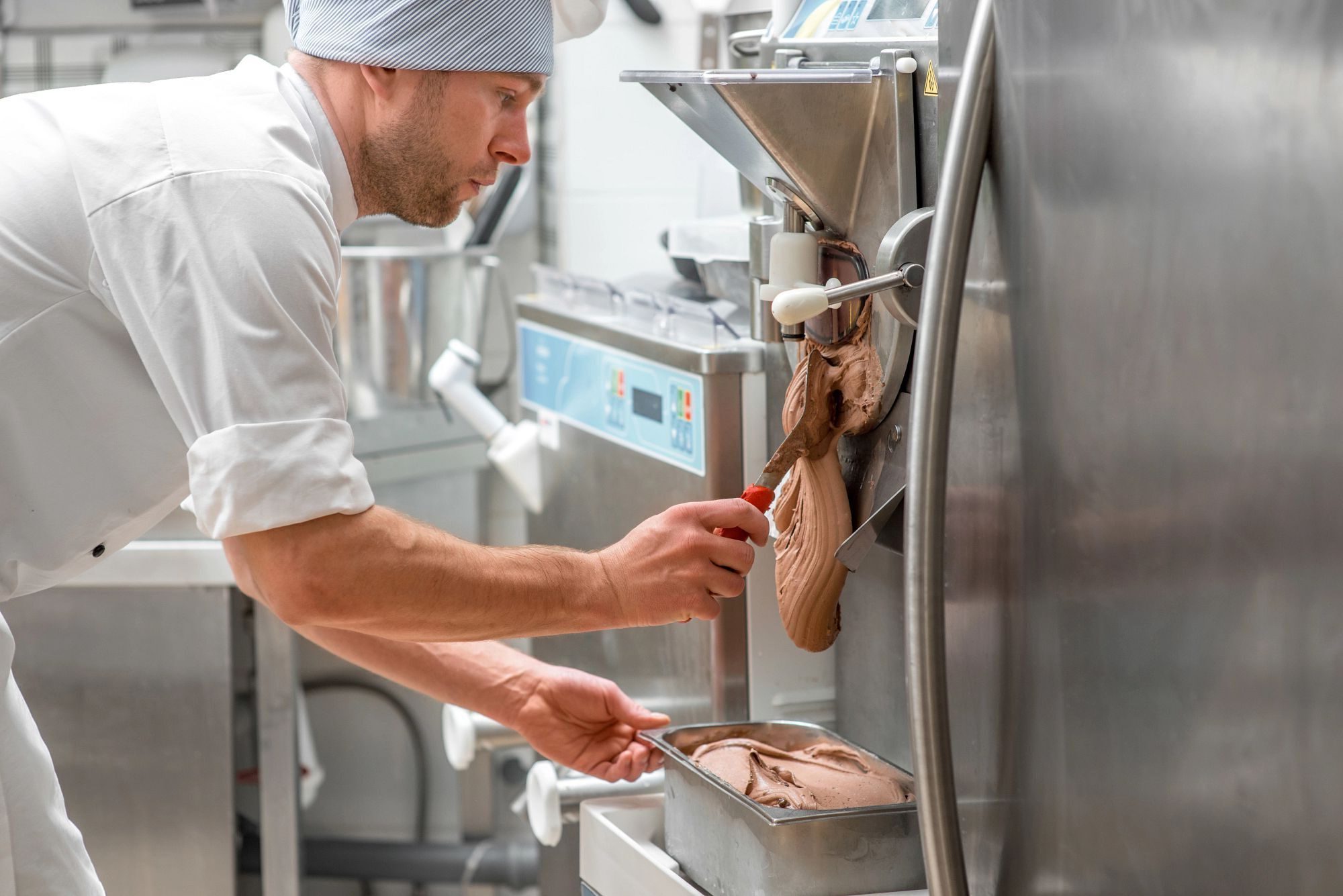
What is Electrical Safety Testing Certification and who is it for?
Before commercial kitchen and restaurant equipment can be sold for use in the US, it must comply with US electrical safety regulations. That means ensuring equipment has been tested and certified to meet two specific electrical safety standards set by the US Occupational Safety and Health Administration (OSHA).
The two OSHA standards that must be met are:
- 29 CFR 1910 Subpart S
- 29 CFR 1926 Subpart K.
These standards are designed to keep employees safe at work, protecting them from dangers such as electric shock, electrocution, fires and explosions.
They apply to any manufacturer, anywhere in the world, that is seeking to manufacture food service equipment for the US market.
Who can issue Electrical Safety Testing Certification?
Electrical Safety Testing Certification can be issued only by an OSHA-approved and qualified certification body such as NSF.
NSF has a global network of laboratories available to support manufacturers with a range of commercial refrigeration equipment, including:
- Commercial ice machines
- Commercial refrigerators
- Commercial freezers
- Commercial ice maker machines
- Commercial ice dispensers.
In addition to commercial refrigeration equipment, our global network can test and certify other electrical food equipment, including dishwashers and feeders, commercial cooking, and vending machines.
What are the benefits of Electrical Safety Testing Certification?
The U.S. food service market is currently worth over $1 trillion and is forecast to grow to over $2 trillion by 2032.1 For manufacturers of commercial refrigeration equipment it has the potential to be a highly lucrative market.
What other certifications are required before commercial refrigeration machinery can be sold into the US market?
In addition to Electrical Safety Testing Certification, any commercial or industrial food service equipment manufactured for use in US kitchens and restaurants will need Food Equipment Sanitation Safety Certification.
Plus, although not mandatory for all commercial kitchens and restaurants in the US, ENERGY STAR® certification is a requirement for manufacturers seeking to manufacture refrigeration and freezer appliances for federal, state, and local government purchasing contracts.
Electrical Safety Testing and Certification for Commercial Refrigeration Equipment

OSHA approved Electrical Safety Certification for the US market.
ENERGY STAR® Certification

Demonstrate your company’s commitment to energy efficiency and environmental responsibility with an ENERGY STAR label.
Sanitation Safety Certification

Certify your commercial food equipment to the industry’s highest standards and know you’re meeting all applicable U.S. sanitation requirements.
Let us guide you through every step of your Electrical Safety Testing Certification journey
Arrange your kick-off call today.
What’s New with NSF
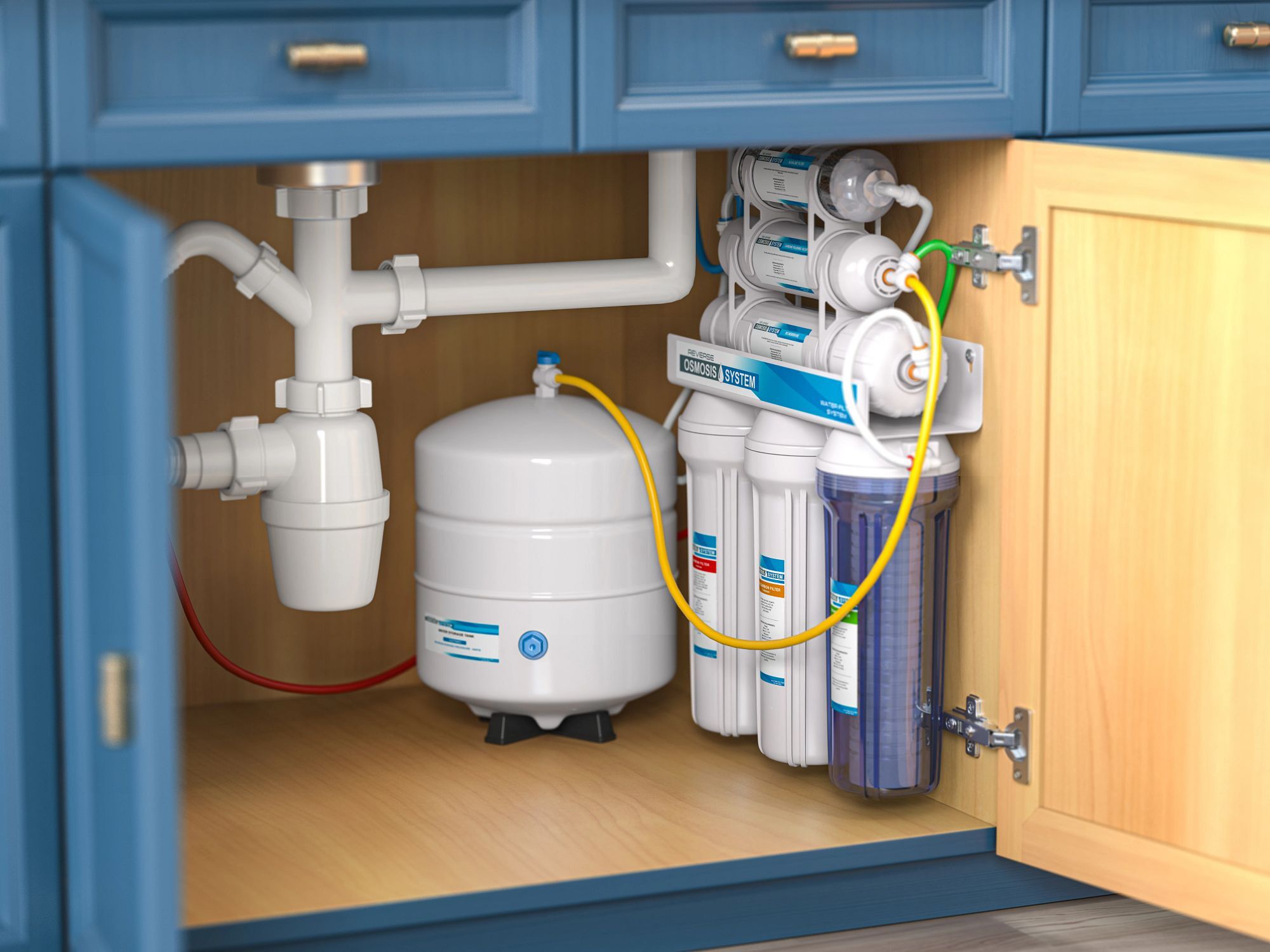
NSF Launches Protocol 549 for Glyphosate Reduction Claims
October 14, 2026P549 is the first standard globally that validates glyphosate reduction performance of water filtration systems and products.
NSF Welcomes Nicole Parent Haughey to Board of Directors
September 10, 2026NSF's appointment of Nicole supports the organisation's continued focus on long-term growth and transformation.
NSF Launches Independent Certification Standard for Compact Products
August 25, 2026New third-party certification verifies products cutting materials and shipping impacts while maintaining safety and performance.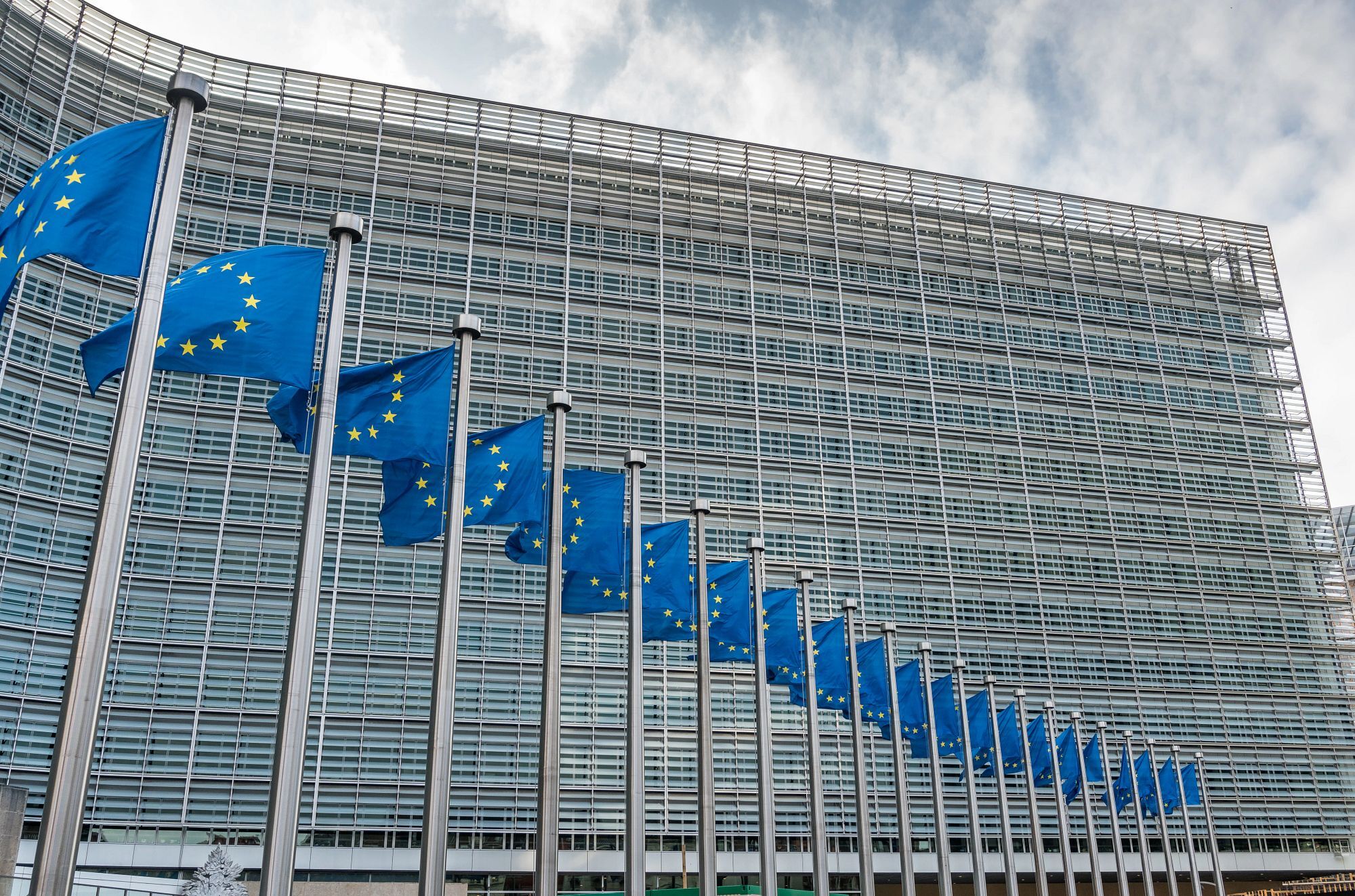
NSF Achieves European Accreditation for Drinking Water Product Certification Ahead of 2027 EU Deadline
July 22, 2026The ISO/IEC 17065 accreditation from BELAC complements NSF’s testing capacity, enabling end-to-end support for EU Drinking Water Directive (DWD) readiness ahead of the January 2027 deadline.