Over a Quarter of Germans Struggle to Understand Food Labels, According to NSF Research
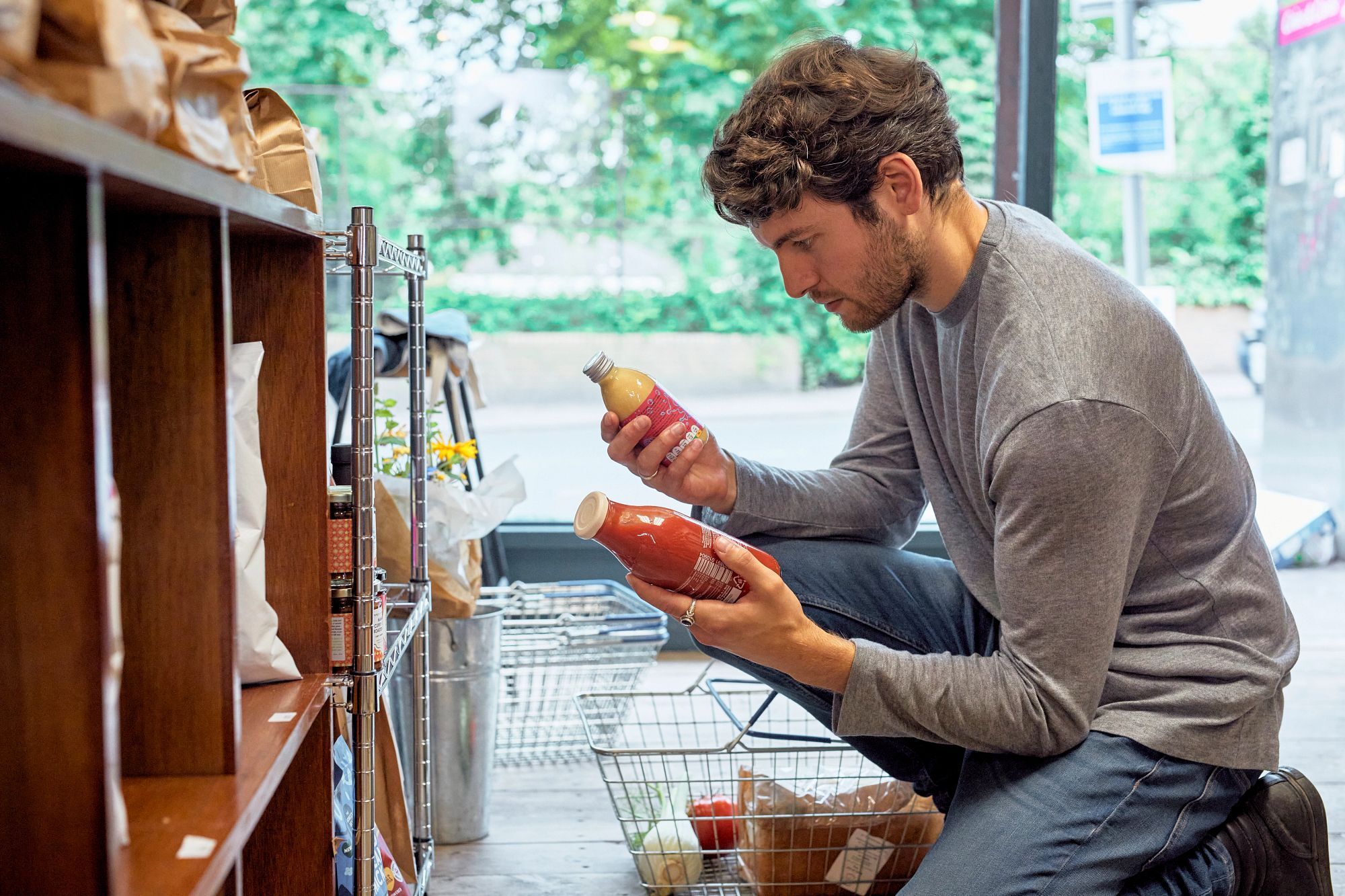
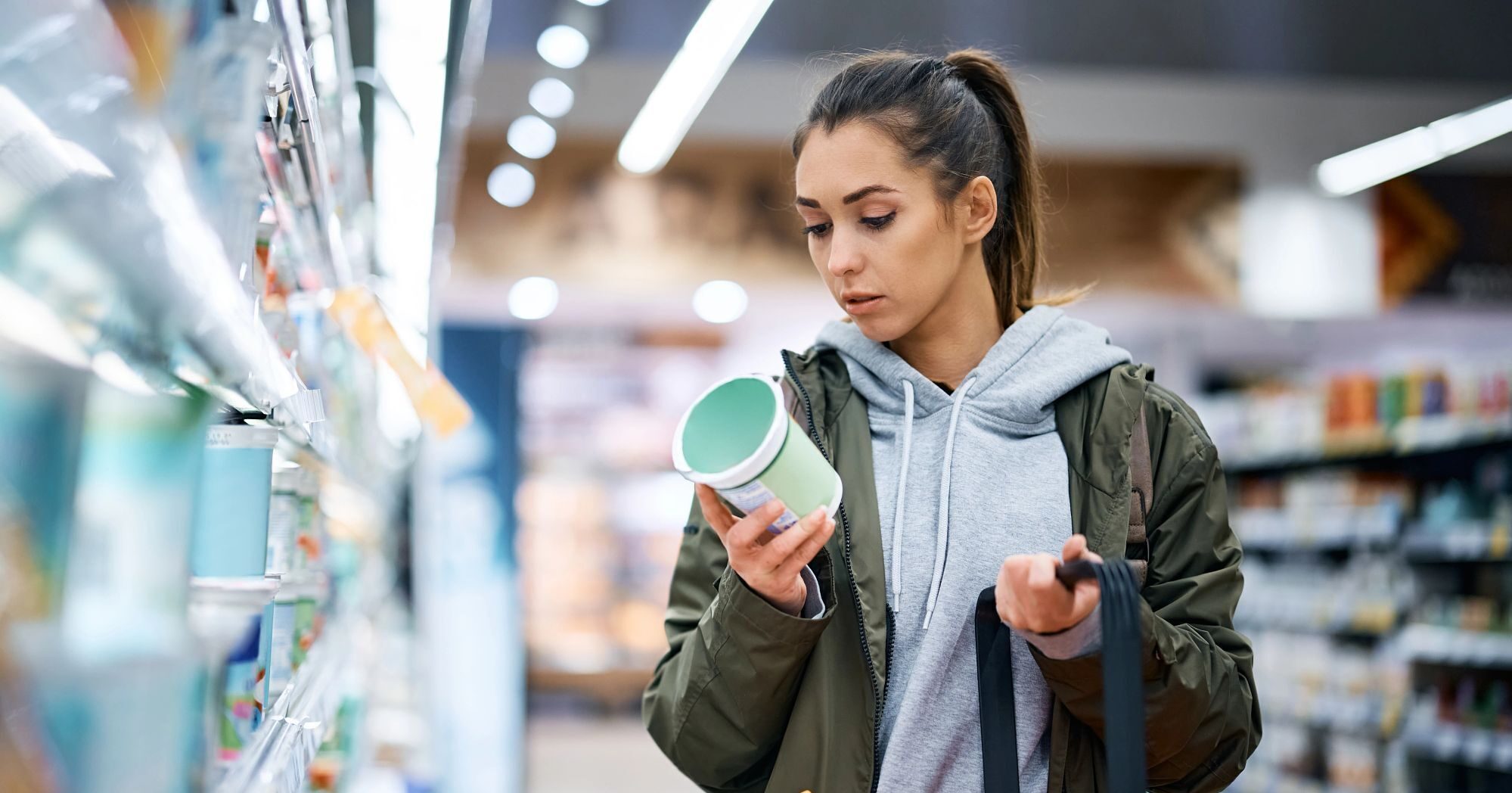
Rheda-Wiedenbrück – A new study by NSF, a global leader in food safety and quality, reveals that only 42% of German consumers believe current food labels provide enough information to make informed food choices, despite 75% actively reading labels before making a purchase. This gap highlights a pressing need for improved food labelling practises in the German market.
The research, conducted across Germany, shows that while consumer engagement with food labels is high, there is significant room for improvement in meeting shoppers’ needs. Notably, 58% of adults are paying more attention to food labels than five years ago, indicating a growing consumer interest in making informed food choices.
“These findings reveal a clear disconnect between consumer needs and current labelling practises,” said Arta Prokshi, Senior Consultant in Food Advisory and Training, EMEA at NSF. With three-quarters of Germans actively reading labels but less than half finding them adequate, we’re seeing a crucial opportunity for food manufacturers to better serve their customers.
The study highlights critical gaps in the effectiveness of food labelling. Over a quarter (26%) of Germans struggle to interpret nutritional information on packaging, while only 28% feel labels adequately address sustainability concerns. These findings underscore the urgent need for clearer and more comprehensive labelling practises across the food industry, particularly in areas where consumers seek greater transparency but find current standards to be lacking.
The study identifies specific areas where consumers seek more information:
- 79% want more detailed processing information
- 78% seek clearer allergen details
- 70% call for more ethical sourcing information
- 56% look for environmental impact data
“The German food industry must adapt to changing consumer expectations,” Prokshi added. “The fact that 51% of consumers are willing to pay, on average, between 7-9% more for products with better labelling shows this isn’t just about compliance – it’s about meeting market demands and building consumer trust.”
Trust in food labels varies significantly by age group, with younger consumers showing more confidence. While 58% of 18–34-year-olds trust health claims, this drops to 42% among those aged 55 and above, suggesting a need for age-specific communication strategies.
The German food market, projected to reach €237 billion US$254.27 billion in 2025, shows strong potential for brands that can bridge this information gap. Companies that invest in clearer, more detailed labelling systems are likely to gain a competitive advantage in an increasingly conscious consumer landscape.
NSF remains committed to working with the food industry to develop innovative solutions that meet evolving consumer expectations and regulatory requirements.
About NSF
NSF is an independent, global services organisation dedicated to improving human and planet health for more than 80 years by developing public health standards and providing world-class testing, inspection, certification, advisory services and digital solutions to the food, nutrition, water, life sciences and consumer goods industries. NSF serves 40,000 clients in 110 countries and is a World Health Organization (WHO) Collaborating Center on Food Safety, Water Quality and Medical Device Safety.
About the research
The independent research was conducted by Opinium Research between 11-18 October 2024 with 1,000 German adults, weighted to be nationally representative.
Need more information about food label requirements and compliance?
How NSF Can Help You

What’s New with NSF

NSF Welcomes Nicole Parent Haughey to Board of Directors
September 10, 2026NSF's appointment of Nicole supports the organisation's continued focus on long-term growth and transformation.
NSF Launches Independent Certification Standard for Compact Products
August 25, 2026New third-party certification verifies products cutting materials and shipping impacts while maintaining safety and performance.
NSF Achieves European Accreditation for Drinking Water Product Certification Ahead of 2027 EU Deadline
July 22, 2026The ISO/IEC 17065 accreditation from BELAC complements NSF’s testing capacity, enabling end-to-end support for EU Drinking Water Directive (DWD) readiness ahead of the January 2027 deadline.
Meet NSF at Fruit Attraction
July 15, 2026NSF is excited to be exhibiting at Fruit Attraction, a leading international trade fair for the fruit and vegetable sector.