NSF/ANSI 419 Technical Requirements
NSF/ANSI 419 is the American National Standard that establishes requirements for the performance of public drinking water equipment.

The need for an official standard arose after the U.S. EPA’s Environmental Technology Verification (ETV) program ended in 2014. Up to that point, the ETV program had verified the safety and performance of public drinking water equipment.
The evolution of the standard
To provide manufacturers with a means of continuing to undergo third-party evaluation of their public drinking water equipment, NSF converted the existing ETV membrane protocol into an NSF/ANSI standard. NSF/ANSI 419 was published in January 2015 after review by a committee with equal representation of manufacturers, regulators, and end users.
The standard includes requirements found in the U.S. EPA’s Long Term 2 Enhanced Surface Water Treatment Rule (LT2ESWTR), which allows manufacturers to prove Cryptosporidium reduction.
While the standard includes requirements referencing well-established rules and methods, such as the LT2ESWTR, it also includes additional requirements for safety, including the optional evaluation of microfiltration and ultrafiltration modules for virus reduction. This allows manufacturers to further prove the quality of their product.
Testing under NSF/ANSI 419
Testing under NSF/ANSI 419 includes evaluation of material safety according to NSF/ANSI/CAN 61: Drinking Water System Components – Health Effects, plus evaluation of Cryptosporidium reduction using test methodologies and surrogates that are appropriate to the technologies being evaluated.
How NSF Can Help You

What’s New with NSF

NSF Achieves European Accreditation for Drinking Water Product Certification Ahead of 2027 EU Deadline
July 22, 2026The ISO/IEC 17065 accreditation from BELAC complements NSF’s testing capacity, enabling end-to-end support for EU Drinking Water Directive (DWD) readiness ahead of the January 2027 deadline.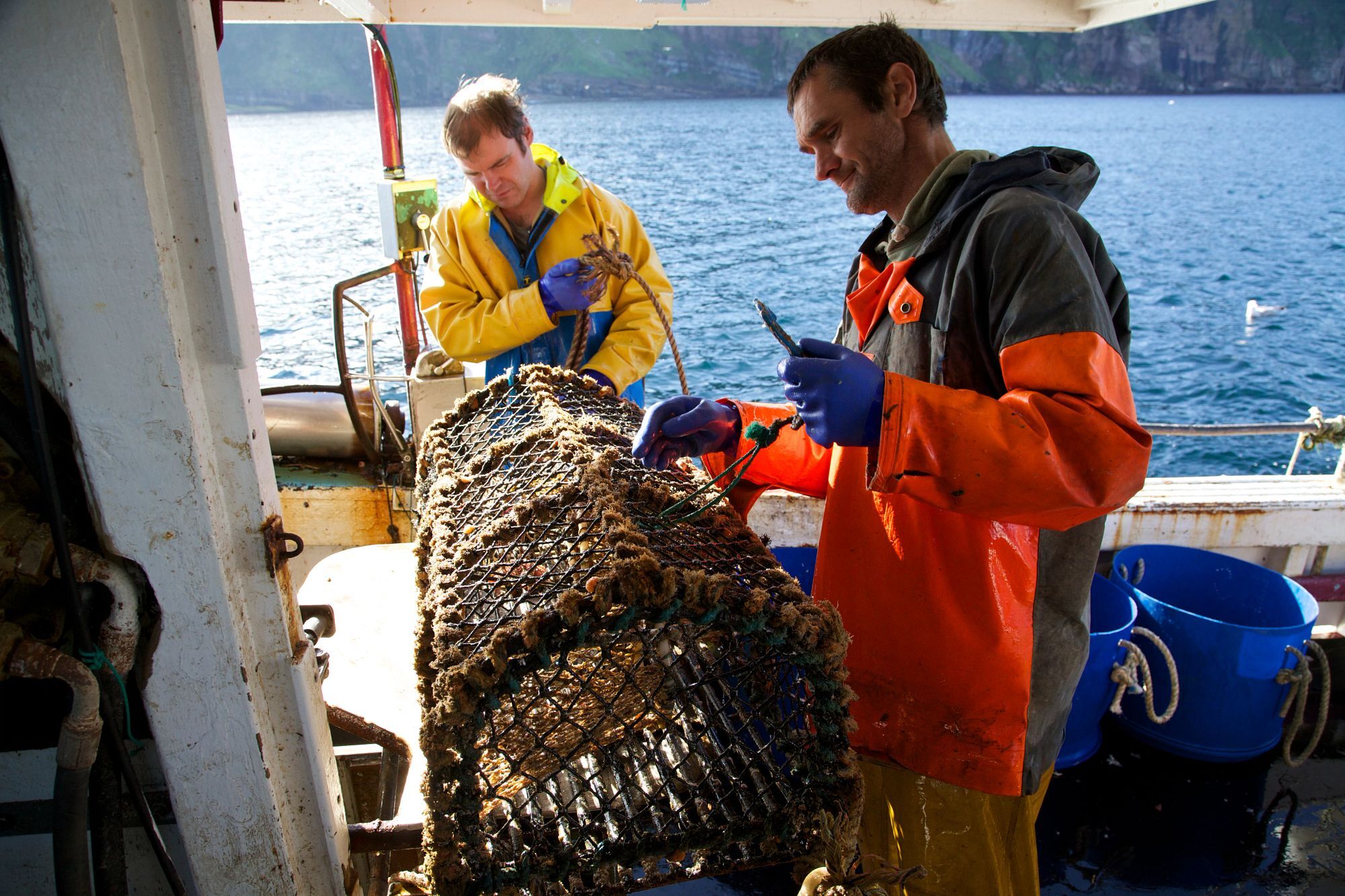
NSF Awards World-First Community Catch Certification to Orkney Crab Fishery
July 13, 2026Milestone certification sets a new benchmark for small-scale fishery sustainability and social responsibility.
NSF Issues First-Ever MSC Certification for an Eel Fishery to Perupez S.A.C. and Sakana del Peru
June 19, 2026Third-party certification plays a key role in independently verifying the sustainability of seafood operations.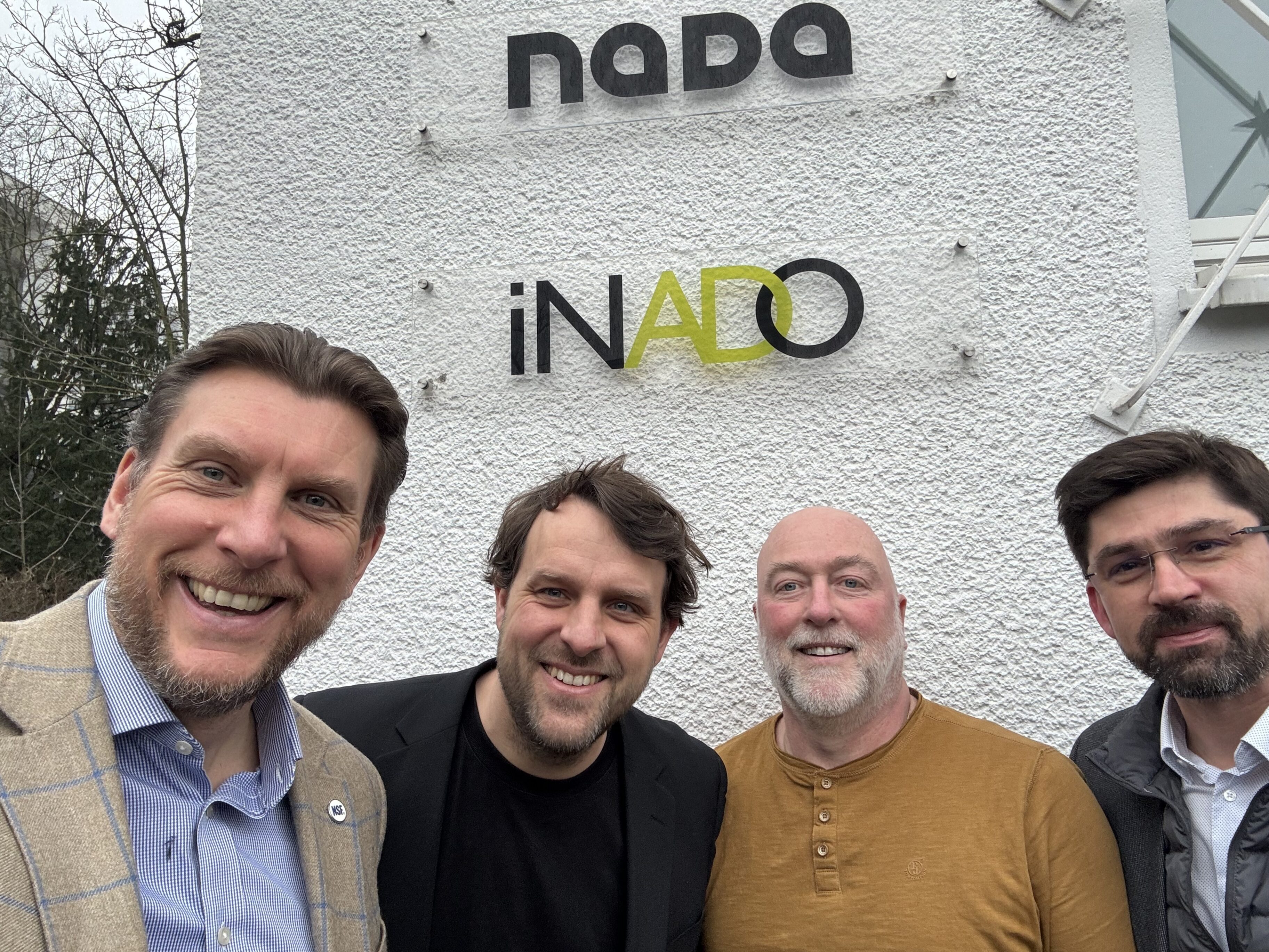
iNADO Partners with NSF to Support Members and Athletes
May 27, 2026iNADO is pleased to welcome NSF’s expertise and experience in support of its members and the athletes they serve