Plastic Piping System Components

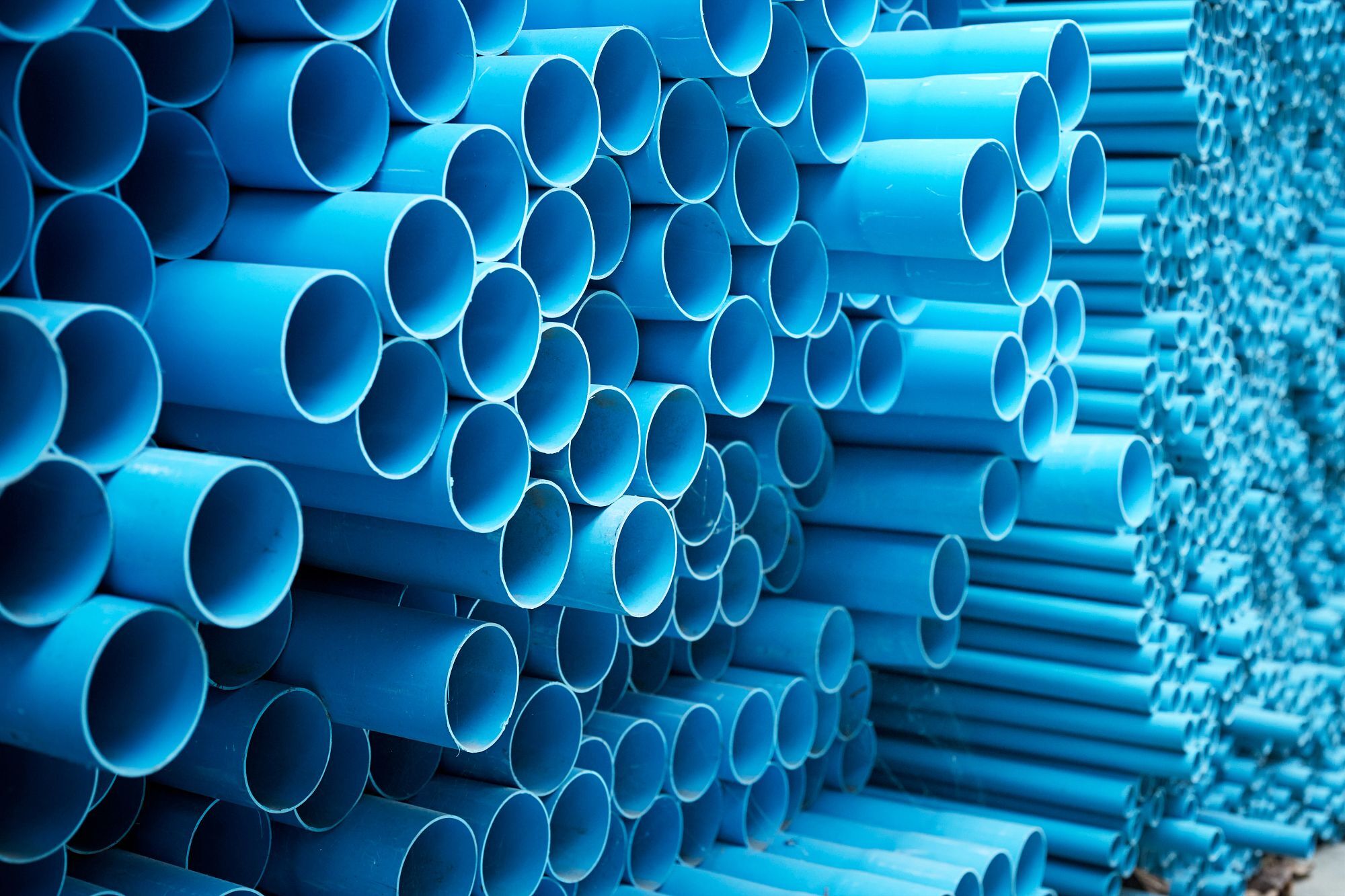
From drinking water distribution components to radiant floor heating system applications, NSF tests and certifies your products against the standards necessary for market entry and regulatory approval. With our depth of industry experience, we can help you expand into international markets with ease.
NSF facilitated the development of the NSF/ANSI 14 and NSF/ANSI/CAN 61 standards and is recognized internationally as an expert in the field of plastic piping systems testing and certification. Our in-house team offers a high level of testing and auditing experience, as well as customer service satisfaction.
We test and certify products to comply with plumbing code requirements and normative product specifications like ASTM and CSA.
We test the following materials:
- Polyvinyl chloride (PVC)
- Chlorinated polyvinyl Chloride (CPVC)
- Polyethylene (PE)
- Cross-linked polyethylene (PEX)
- Polyethylene of raised temperature (PE-RT)
- Polypropylene (PP)
- Sulfone plastics (SP)
- Acrylonitrile-butadiene-styrene (ABS)
- Gasket material (NBR and SBR)
- Metal components
- Solvent cements
We certify plastic piping components used in a wide variety of applications, including:
- Potable
- Drain, waste and vent
- Sewage
- Radiant heating
- Reclaimed water
- Electrical conduit
- Natural gas
- Chemical waste
- Geothermal
- Fire sprinkler applications
What Sets Us Apart
As the only independent, third-party certification provider with a mission to promote public health and safety, NSF operates a robust certification program that brings trust and confidence to the plastics piping industry.
Check out our resources for even more information about what sets us apart.
Resources
White Paper: NSF/ANSI 14 — The Value of NSF’s Monitor Testing and Auditing
BrochureQuality assurance is the key to achieving higher-performing and safer plastic piping system components.
EU-MHR Readiness Research Report
ArticleNew NSF research reveals a significant EU-MHR readiness gap: while 99% of manufacturers feel ready, only 7% have completed a gap assessment.
EU Minimum Hygiene Requirements (EU-MHR) Practical Handbook
ArticlePrepare your drinking water products for EU-wide compliance requirements effective January 2027.
How NSF Can Help You