Environmental Product Declarations Showcase Product Sustainability

Buyers, architects, designers, and consumers can use verified EPDs to assess the ecological impact of the full lifecycle of a product from raw material extraction to disposal. Manufacturers use this process to reduce energy consumption, gauge the position of their products in the marketplace and show transparency in their environmental claims.
Verified EPDs also help building projects qualify for points through the Material and Resources category in LEED v4.1 (under the credit “Building product disclosure and optimization - environmental product declarations”) and the International Green Construction Code. EPDs are also increasingly required in international markets for consumer and commercial products.
EPDs and Product Category Rules (PCRs)

Before an EPD can be developed, there must be an associated product category rule (PCR). A PCR defines how environmental product attributes are measured for products in a specific category. These rules guide the development of ISO-compliant life cycle assessments (LCAs). There are hundreds of existing PCRs for many different product types, including:
- Architectural/powder coatings
- Bathroom fittings and showers
- Commercial faucets
- Commercial flushometer valves
- Concrete
- Kitchen and bath fixture fittings and accessory products
- Piping systems for use in sewer and stormwater systems
- Plumbing vessels
- Pumps for liquids and liquids with solids
- Rigid and flexible building piping systems
- Sanitary ceramics
New PCRs are always being developed. If your product is not covered under an existing PCR, contact NSF to learn more about the development process.
EPD Verification
Third-party EPD verification demonstrates that the data was collected in accordance with the applicable PCR and meets all ISO requirements. The process generally involves:
- Critical review of the LCA to ensure it conforms with ISO 14040-44 and the relevant PCR.
- EPD verification to ensure conformance of the EPD to ISO 14025 and the relevant PCR.
- To find EPD listing click here.
With EPD verification you can differentiate your products based on their environmental performance, meet your clients’ needs for credible information and prepare for the growing demand for products that are sustainable and safe for the environment.
Want more information?
What’s New with NSF
NSF Launches Protocol 549 for Glyphosate Reduction Claims
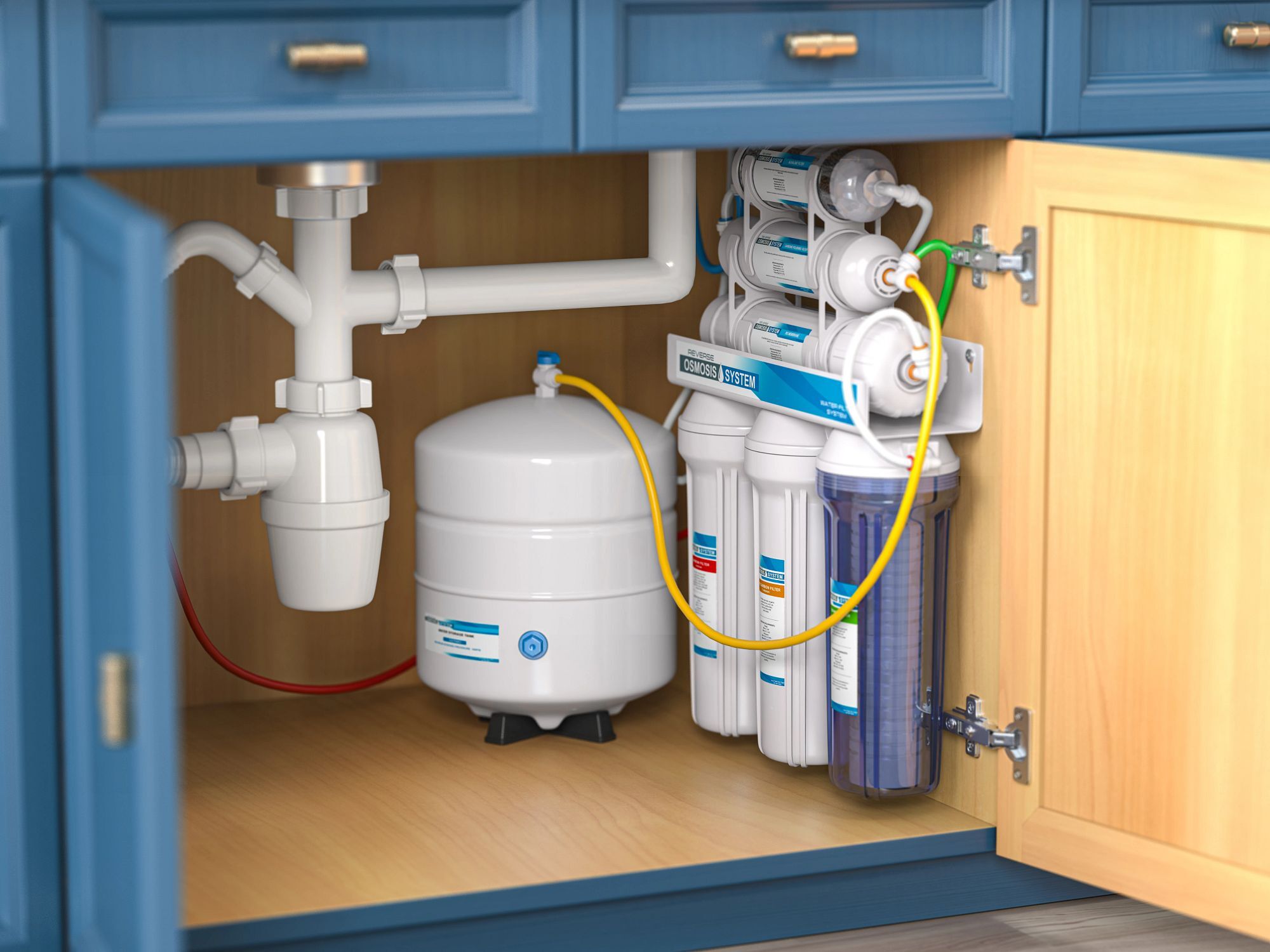
October 14, 2026P549 is the first standard globally that validates glyphosate reduction performance of water filtration systems and products.
NSF Welcomes Nicole Parent Haughey to Board of Directors
September 10, 2026NSF's appointment of Nicole supports the organisation's continued focus on long-term growth and transformation.
GRSO (RIOS) and NSF Announce Strategic Alliance to Strengthen RIOS Compliance Infrastructure Across India
August 31, 2026This milestone marks the successful completion of the RIOS Auditor Course by NSF’s team in India and the establishment of a robust regional compliance infrastructure to support organizations seeking RIOS certification.
NSF Launches Independent Certification Standard for Compact Products
August 25, 2026New third-party certification verifies products cutting materials and shipping impacts while maintaining safety and performance.