NSF/ANSI 61 and Fire Hydrants
Why fire hydrants must meet health-based certification requirements.
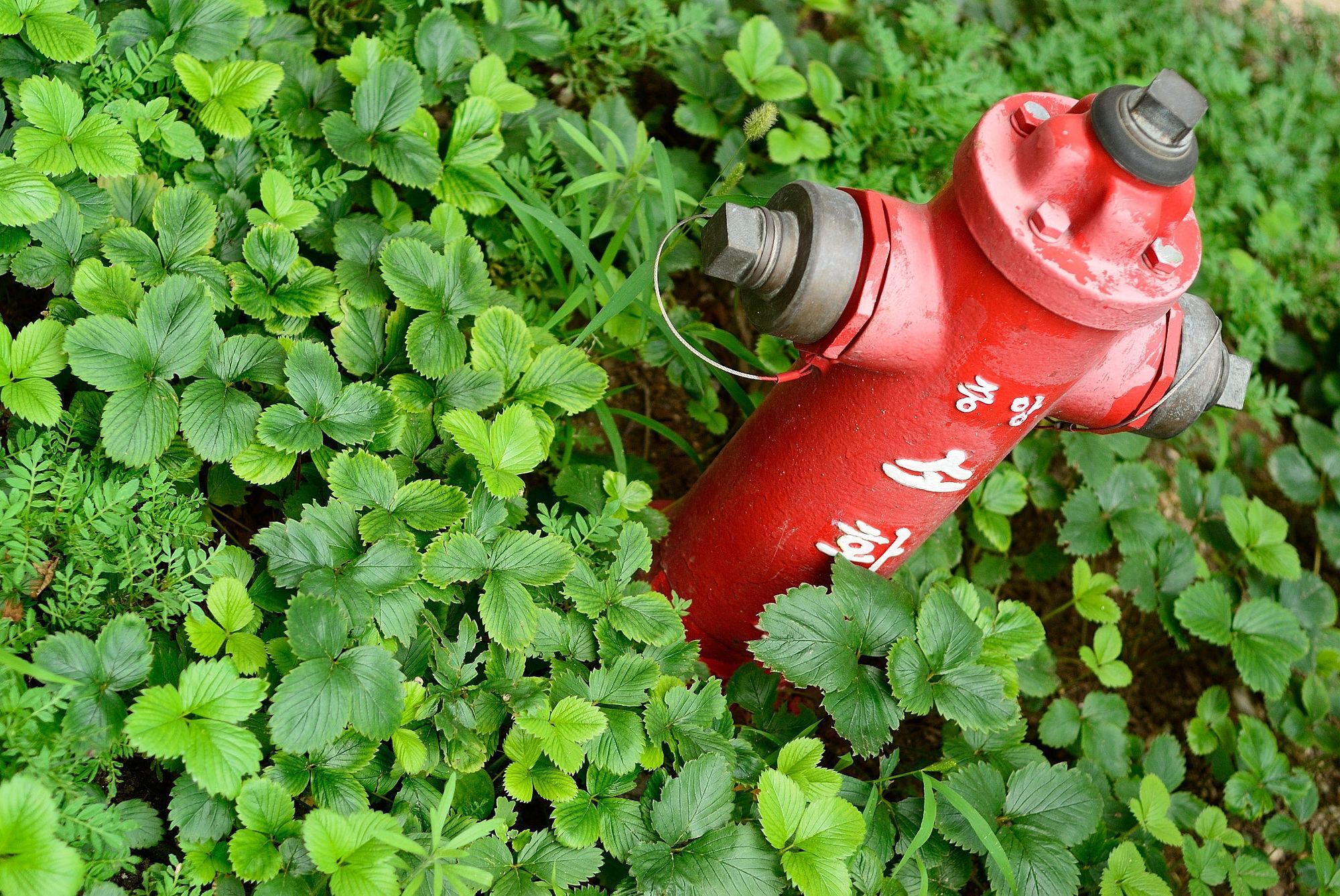
Fire hydrants and related components—such as fittings and risers—that come into contact with potable water fall under the scope of NSF/ANSI/CAN 61: Drinking Water System Components – Health Effects. Certification to this standard is required in most U.S. states and Canadian provinces.
Clearing up the confusion
The U.S. Safe Drinking Water Act (SDWA) exempts fire hydrants from lead-free content requirements, but NSF/ANSI/CAN 61 certification still applies. This means hydrants must pass contaminant leachate testing for lead and other harmful substances.
Why certification matters
- Hydrants with high lead content can create compliance risks for utilities.
- Certification ensures hydrants and components do not contribute excessive lead or other contaminants to the water distribution system.
- Manufacturers who certify to NSF/ANSI/CAN 61 demonstrate a commitment to safety and regulatory compliance, gaining a competitive edge in the marketplace.
Show your commitment to public health and compliance—get your hydrants certified to NSF/ANSI/CAN 61.
Learn more about NSF/ANSI/CAN 61 testing and certification

This standard sets benchmarks for evaluating water distribution products and materials. Learn about why it's required and accepted around the world.
How NSF Can Help You

What’s New with NSF

NSF Welcomes Nicole Parent Haughey to Board of Directors
September 10, 2026NSF's appointment of Nicole supports the organisation's continued focus on long-term growth and transformation.
GRSO (RIOS) and NSF Announce Strategic Alliance to Strengthen RIOS Compliance Infrastructure Across India
August 31, 2026This milestone marks the successful completion of the RIOS Auditor Course by NSF’s team in India and the establishment of a robust regional compliance infrastructure to support organizations seeking RIOS certification.
NSF Launches Independent Certification Standard for Compact Products
August 25, 2026New third-party certification verifies products cutting materials and shipping impacts while maintaining safety and performance.
NSF Achieves European Accreditation for Drinking Water Product Certification Ahead of 2027 EU Deadline
July 22, 2026The ISO/IEC 17065 accreditation from BELAC complements NSF’s testing capacity, enabling end-to-end support for EU Drinking Water Directive (DWD) readiness ahead of the January 2027 deadline.