NSF's Review of Piping Materials Paper
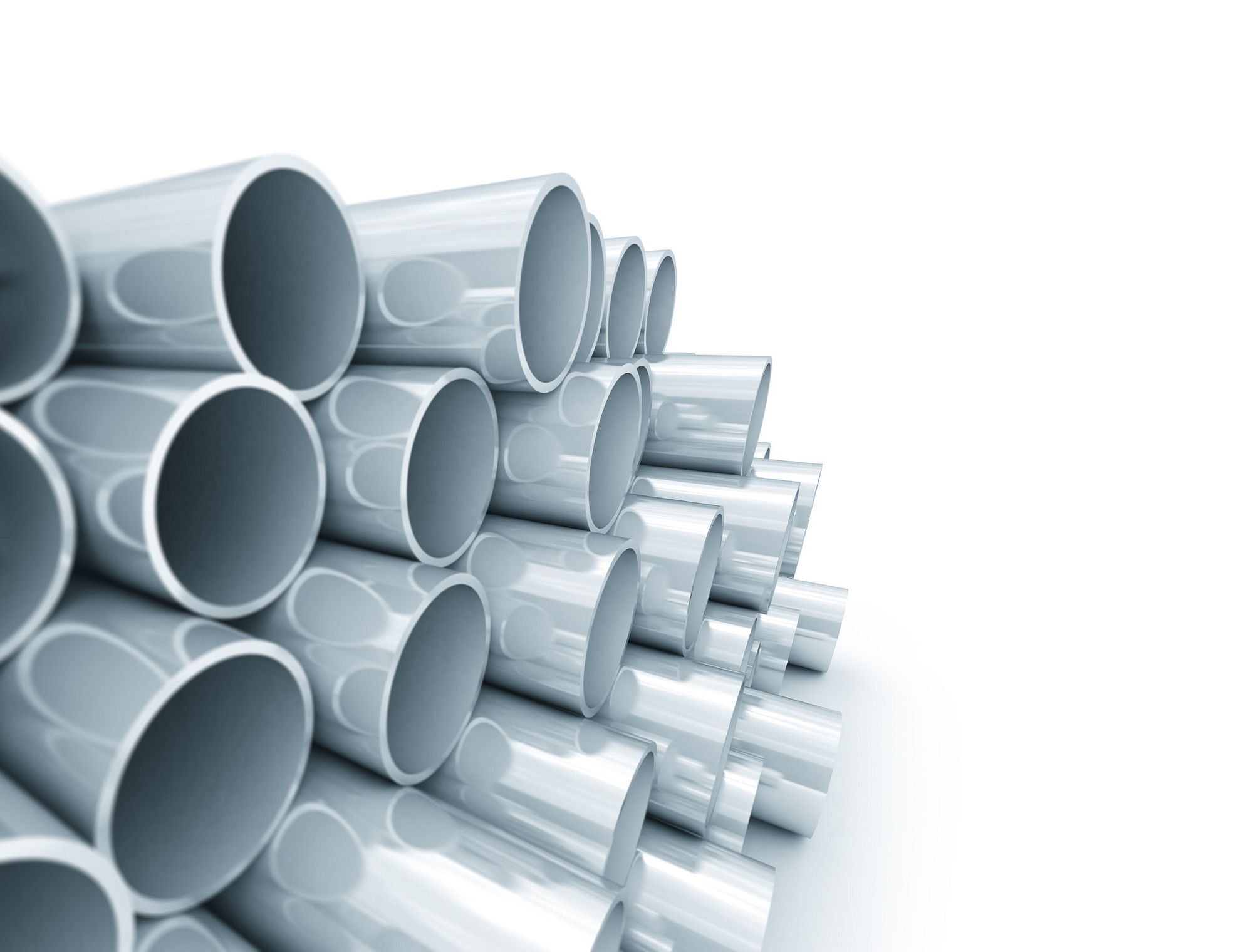
The paper, “Characterization of Leachable Chemical Substances from Common Drinking Water Piping Materials”, reviewed the literature associated with the leaching of chemical substances from various types of plastics materials including HDPE, PE, PEX, PP, CPVC, and PVC. Summary tables of chemical contaminants associated with each type of material were presented. The paper also listed (in Table 4) sources of safe thresholds for select contaminants established by the United States Environmental Protection Agency (USEPA), the California Office of Environmental Health Hazard Assessment, NSF/ANSI/CAN 61, the World Health Organization (WHO), and Health Canada. The document did not list any levels of contaminants detected in the studies.
Factual Errors of NSF/ANSI/CAN 61 References
There were several factual errors in regard to references to NSF/ANSI/CAN 61. The authors describe NSF/ANSI/CAN 61 as a “…private industry set of criteria…”; However, NSF/ANSI/CAN 61 is the national standard in both the USA (ANSI) and Canada (CAN) for the evaluation of contaminants associated with materials in contact with drinking water. The actual drinking water threshold criteria is listed in NSF/ANSI/CAN 600, which NSF/ANSI/CAN 61 references.
The paper also states that NSF/ANSI/CAN 61 criteria is not legally enforceable. Plumbing products are regulated through plumbing codes in the US and Canada. These plumbing codes reference the standards that products need to be certified to. NSF/ANSI/CAN 61 is one of those required certifications. Plumbing inspectors in both the US and Canada verify that products used in buildings meet the requirements of the plumbing codes and are certified to the referenced standards. In addition, pipes and fittings used by utilities in municipal water distribution systems are regulated by state drinking water agencies. Additionally, 49 of the 50 state (except Wyoming) agencies, and 11 of 13 Canadian provinces or territories have regulations that require drinking water distribution products to comply with the NSF/ANSI/CAN 61 standard.
NSF/ANSI/CAN 61 Scope
The scope of NSF/ANSI/CAN 61 covers not only plastics, but all material types used to convey drinking water including but not limited to:
- Pipes and related products (pipes, hoses and fittings)
- Protective and barrier materials (cements/coatings)
- Joining and sealing materials (gaskets, adhesives and lubricants)
- Process media (filter media) Mechanical devices (water meters, valves and filters)
- Mechanical plumbing devices (faucets, drinking fountains and components)
- Potable water materials (non-metallic materials)
While the paper assumed contaminants based on a literature review, NSF/ANSI/CAN 61 requires a complete formulation disclosure from product manufacturers and their component, material and ingredient suppliers being evaluated. The standard requires a formulation review of all ingredients in each water contact material and development of a test battery to detect any chemical that may leach from water contact materials.
Pipes are tested by exposing them to formulated waters over the course of 17 days at the temperature at which they are intended for use. Typically, this is 73°F (23°C), 140°F (60°C) or 180°F (82°C). Samples are collected after the final 16-hour dwell and analyzed for contaminants.
Table 4 lists the available drinking water threshold criteria for contaminants deemed “common” by the authors. It lists the availability of criteria from “NSF” but has no criteria listed for 17 contaminants that are listed. In fact, NSF/ANSI/CAN 600 (which list the threshold criteria and is referenced in NSF/ANSI/CAN 61) does contain criteria for 8 of these contaminants and is currently developing criteria for 2 others. In total NSF/ANSI/CAN 600 contains criteria for over 2000 contaminants. Additional contaminant levels are added each year.
Furthermore, a reader of this paper should not conclude that if criteria is missing from the table, then it is ignored by the standard. Any contaminant found while testing a product needs to meet the health effects requirements of the standard. If there is no criteria published, NSF/ANSI/CAN 600 establishes how to determine if a contaminant is safe for use.
Third-Party Certification
Third-party certification to NSF/ANSI/CAN 61 ensures ongoing compliance with standard requirements through:
- Annual production facility inspections to verify product formulation and production processes which prevent the use of unauthorized materials and ingredients
- Sample collection for retesting (typically once annually)
In conclusion, while the paper associates contaminants with certain piping materials without quantifying risks, it ignores the rigor and safeguards built in to regulation, bi-national standards and third-party certification. NSF/ANSI/CAN 61 identifies specific contaminants associated with each product, tests the products to quantify contaminants and compares this to health-based criteria. The standard also addresses the issue of contaminants for which no criteria is yet published.
Resources

NSF/ANSI/CAN 61 Certification for Your Drinking Water Components
BrochureLearn what products are covered by NSF/ANSI/CAN 61: Drinking Water System Components, as well as where certification is required.
NSF/ANSI 61: Drinking Water System Components – Health Effects
ArticleAs part of our public health mission, we’re making the 2016 version of the NSF/ANSI 61 standard available for educational purposes.
How NSF Can Help You

What’s New with NSF
NSF Launches Protocol 549 for Glyphosate Reduction Claims
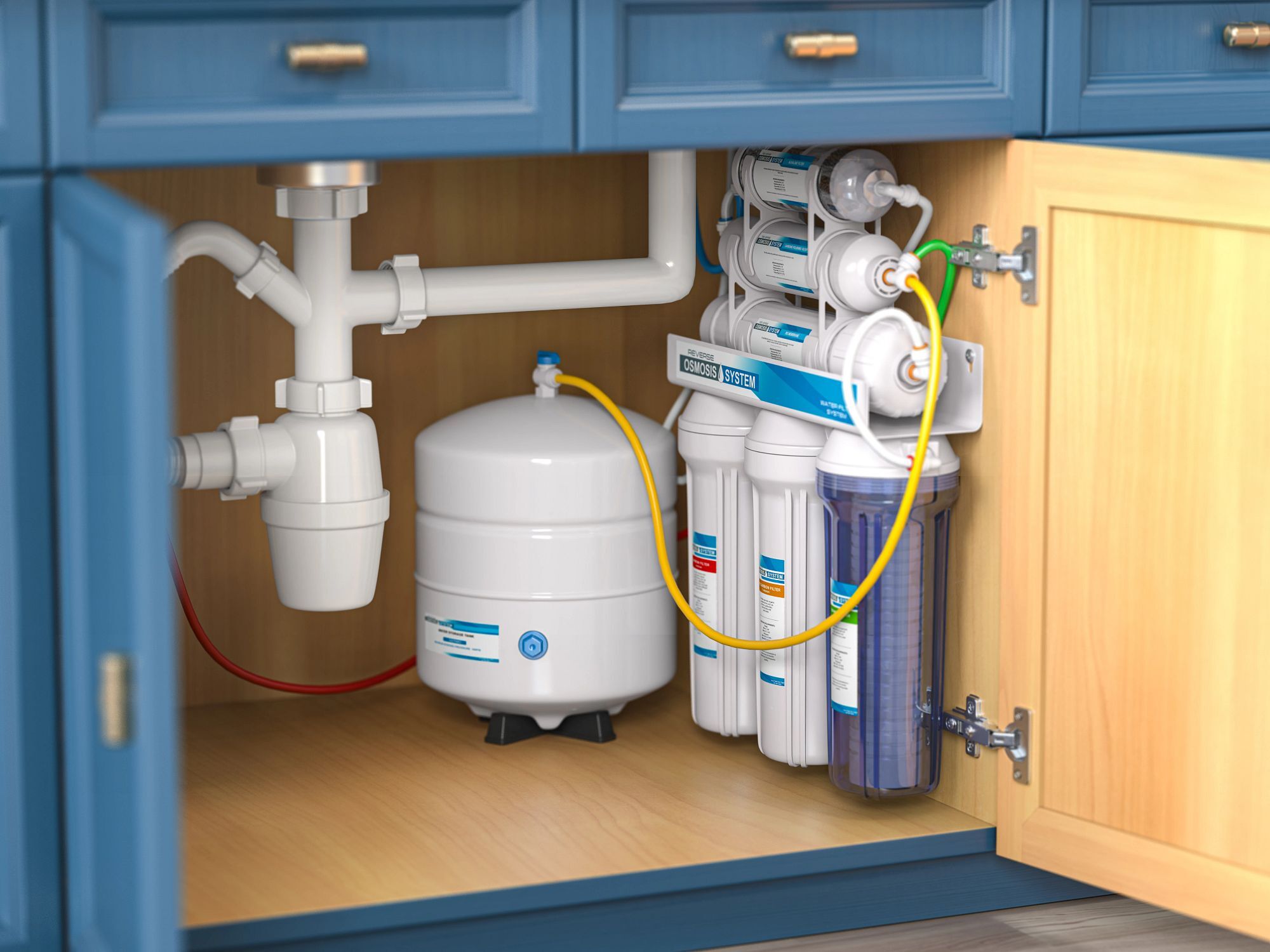
October 14, 2026P549 is the first standard globally that validates glyphosate reduction performance of water filtration systems and products.
NSF Welcomes Nicole Parent Haughey to Board of Directors
September 10, 2026NSF's appointment of Nicole supports the organisation's continued focus on long-term growth and transformation.
GRSO (RIOS) and NSF Announce Strategic Alliance to Strengthen RIOS Compliance Infrastructure Across India
August 31, 2026This milestone marks the successful completion of the RIOS Auditor Course by NSF’s team in India and the establishment of a robust regional compliance infrastructure to support organizations seeking RIOS certification.
NSF Launches Independent Certification Standard for Compact Products
August 25, 2026New third-party certification verifies products cutting materials and shipping impacts while maintaining safety and performance.