Deciding When to Submit a New 510(k) for a Change to an Existing Device (1.5 hours)
What you'll gain from this course
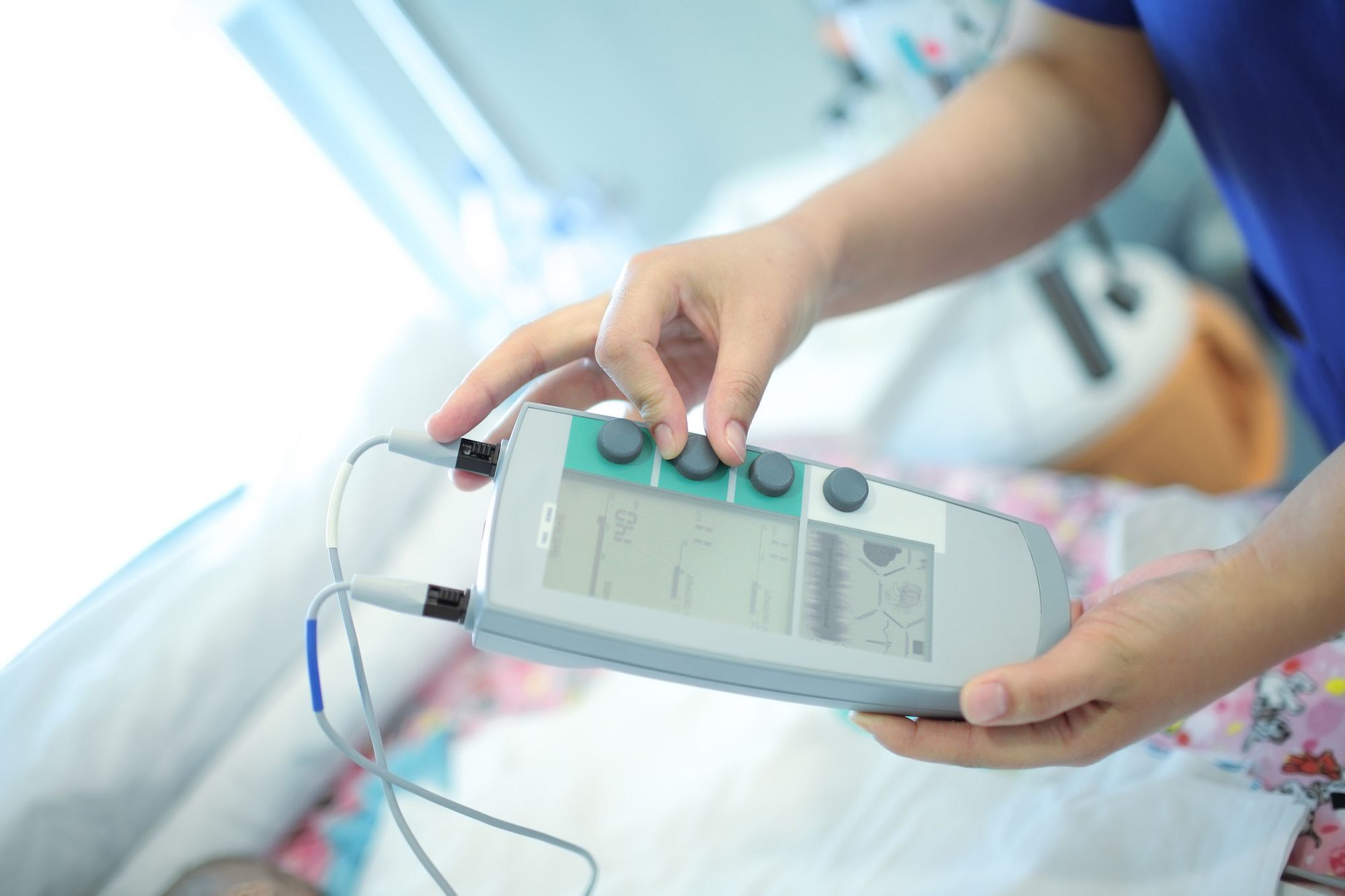
To address some confusion surrounding the guidance Deciding When to Submit a New 510(k) for a Change to an Existing Device, the FDA has worked diligently to enhance predictability, consistency and transparency while maintaining a “least burdensome approach.” The new updated guidance provides greater detail of the regulatory framework, policies and practices underlying FDA’s decision-making process and provides much needed clarity for industry on FDA’s expectations.
In this course we walk through these changes and discuss how to determine when to submit.
Key learning objectives:
At the end of this NSF 510(K) training, you will be able to:
- Identify the guiding principles behind this FDA guidance
- Apply FDA's logic scheme in the decision-making process
- Recognize how to implement principles of risk management and design control in maintaining compliance
- Recognize the importance of documentation, particularly in cases where a new 510(k) is NOT required
- Identify methods to avoid common mistakes in deciding when to submit a new 510(k)
- Identify ways to make informed decisions regarding software modifications
This course is vital for any medical device quality professional including quality directors, managers, engineers and auditors responsible for implementing a quality management system in accordance with ISO 13485:2016 or planning to undergo an MDSAP audit.
Explore related topics

510(k) Premarket Notification Workshop – Bringing Medical Devices to the U.S. Market

AI Act, MDR/IVDR, QMSR: Practical AI compliance trainings for medical devices

AI in Medical Devices - Expectations in a Maturing Field

Biological Evaluation of Medical Devices - How to Succeed in Your Notified Body Assessment

CAPA Considerations: A Comprehensive Overview
Need help choosing?
Our training advisors can help you find the perfect match.