Four Truths About ISO 21469 Certified Lubricants

- 1
ISO 21469 Is a Product Certification, NOT a Management Systems Certification
ISO 21469, Safety of Machinery, Lubricants with Incidental Product Contact-Hygiene Requirements
is the one global standard for food-grade lubricants. While management system certifications help drive organizational improvements, ISO 21469 certifications verify compliance with product formulation, manufacturing and packaging requirements.
ISO 21469 certification does assure end users a production facility is ISO 9001 certified as it is a prerequisite for ISO 21469.
- 2
ISO 21469 Certification Is an Upgrade From H1 Registration
ISO 21469 certifications and H1 registrations both involve reviews of product ingredients and labeling; however, ISO 21469 goes one step further by also focusing on the quality control of a product’s manufacture by including:
- On-site validations of formulations
- On-site audits to verify packaging and risk assessment accuracy
- Mandatory product testing
- Additional labeling reviews for enhanced traceability
In addition to food and beverage processors, ISO 21469 certified lubricants are also specified by the pharmaceutical, cosmetics and animal feed industries.
- 3
ISO 21469 Certification Addresses Three Causes of Contamination
Chemical Risks
Getting food-grade lubricants certified:
- Ensures registered H1 formulation information has not changed
- Confirms that the ingredients on the label are exactly what is in the product
Manufacturing Risks
Going through the certification process:
- Reduces the risk of cross-contamination with other lubricants, additives, thickeners and base oils during production
- Verifies lubricants are produced following Good Manufacturing Practices
Storage/Handling Risks
Certifying food-grade lubricants:
- Mitigates contamination risks and product degradation due to moisture, dirt, dust, airborne particles and temperature variances during storage
- Verifies products are properly stored and not beyond the recommended shelf life
- Ensures products are being transported safely
- 4
ISO 21469 Certification Is Required in Brazil
Food-grade lubricants manufactured in, imported into or exported out of Brazil must be ISO 21469 certified. More and more food and beverage processors worldwide are also specifying ISO 21469 certified lubricants.
Stay informed about food-grade lubricants
How NSF Can Help You

What’s New with NSF
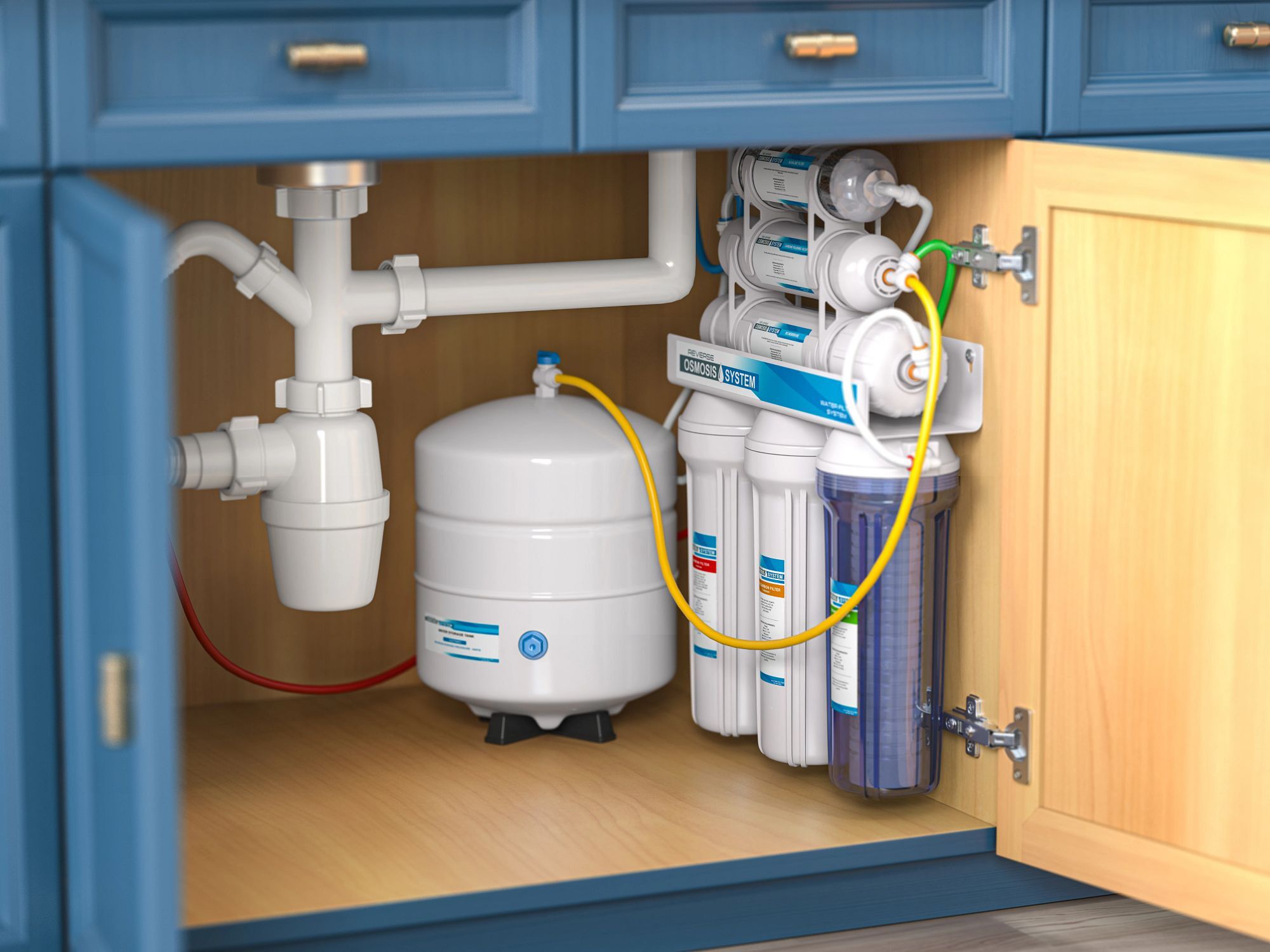
NSF Launches Protocol 549 for Glyphosate Reduction Claims
October 14, 2026P549 is the first standard globally that validates glyphosate reduction performance of water filtration systems and products.
NSF Welcomes Hanjun Kwon, Managing Director, APAC
September 14, 2026Experienced business leader to drive sustainable growth, organisational development and operational excellence across the Asia-Pacific region.
NSF Welcomes Nicole Parent Haughey to Board of Directors
September 10, 2026NSF's appointment of Nicole supports the organisation's continued focus on long-term growth and transformation.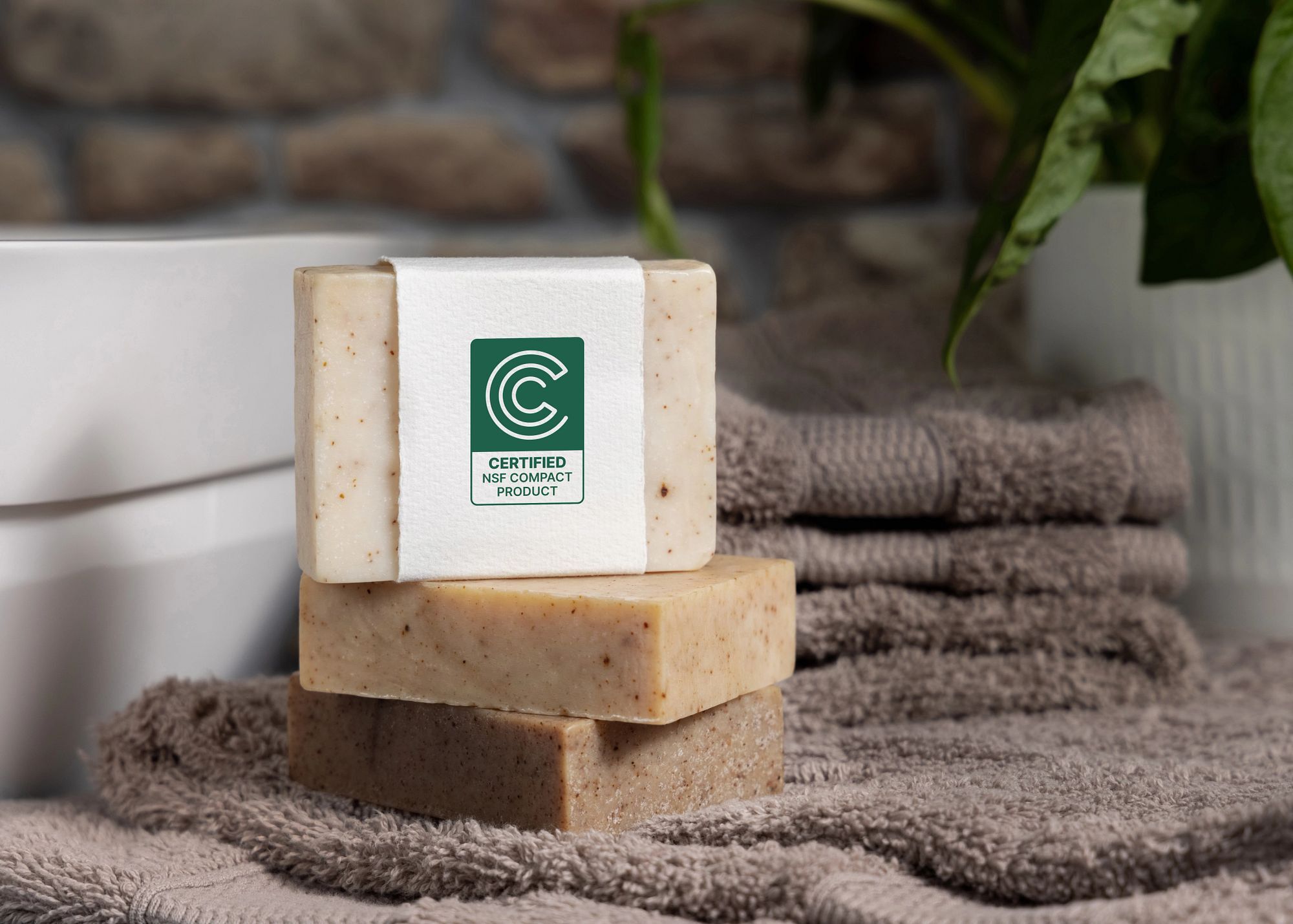
NSF Launches Independent Certification Standard for Compact Products
August 25, 2026New third-party certification verifies products cutting materials and shipping impacts while maintaining safety and performance.