Safe Drinking Water Act Requirements
This codifies the Reduction of Lead in Drinking Water Act of 2011 (RLDWA) and The Community Fire Safety Act of 2013 (CFSA). The act prohibits introduction into commerce any pipe, plumbing fitting or fixture, solder or flux that is not lead free unless the use is for manufacturing or industrial purposes.
The act establishes the definition of “lead free” as a weighted average of 0.25% lead calculated across the wetted surfaces of a pipe, pipe fitting, plumbing fitting and fixture and 0.2 lead for solder and flux. The act also provides a methodology for calculating the weighted average of wetted surfaces consistent with NSF/ANSI/CAN 372 Drinking Water System Components- Lead Content.
This rule mandates third-party certification by accredited certification bodies to the lead free requirements.
Which marks indicate compliance to the lead free under the Safe Drinking Water Act?
Products listed to NSF/ANSI/CAN 372
Products listed to NSF/ANSI/CAN 61. This standard requires all products to be evaluated to NSF/ANSI/CAN 372, unless specifically exempted under the Safe Drinking Water Act.
Products listed to NSF/ANSI 14 for potable water. This standard requires products to be evaluated to NSF/ANSI/CAN 61 and thus NSF/ANSI/CAN 372.
Which products are required to be lead free?
Pipe, fittings, fixtures, appliances used in potable water including drinking water coolers, fountains, bottled water fillers, plumbed in point of use treatment devices, coffeemakers, refrigerator ice and water dispensers, water heaters, meters, pumps, and tanks.
Which products are exempted from the lead free requirement?
Products, including backflow preventers, which are used exclusively for non-potable services such as manufacturing, industrial processing, irrigation, outdoor watering, or any other uses where the water is not anticipated to be used for human consumption.
Products that are clearly labeled, on the product, package, or tag with a phrase such as: “Not for use with water for human consumption” or another phrase that conveys the same meaning in plain language.
Toilets, bidets, urinals, fill valves, flushometer valves, tub fillers, shower valves, fire hydrants, service saddles, and water distribution main gate valves (provided that such valves are 2 inches in diameter or larger)
Clothes washing machines, emergency drench showers, emergency face wash equipment, eyewash devices, fire suppression sprinklers, steam capable clothes dryers, and sump pumps.
Food equipment
Commercial food equipment that utilizes potable water such as coffee machines, beverage dispensers, commercial ice makers, or food equipment components are also tested and listed as lead free. In many cases, these products do not have a special lead free mark, but the NSF listing will indicate:
- Product also evaluated and determined to possess weighted average lead content of <=0.25% and complies with lead content requirements for “lead free” plumbing as defined by California, Vermont, Maryland, and Louisiana state laws and the U.S. Safe Drinking Water Act.
How NSF Can Help You

What’s New with NSF
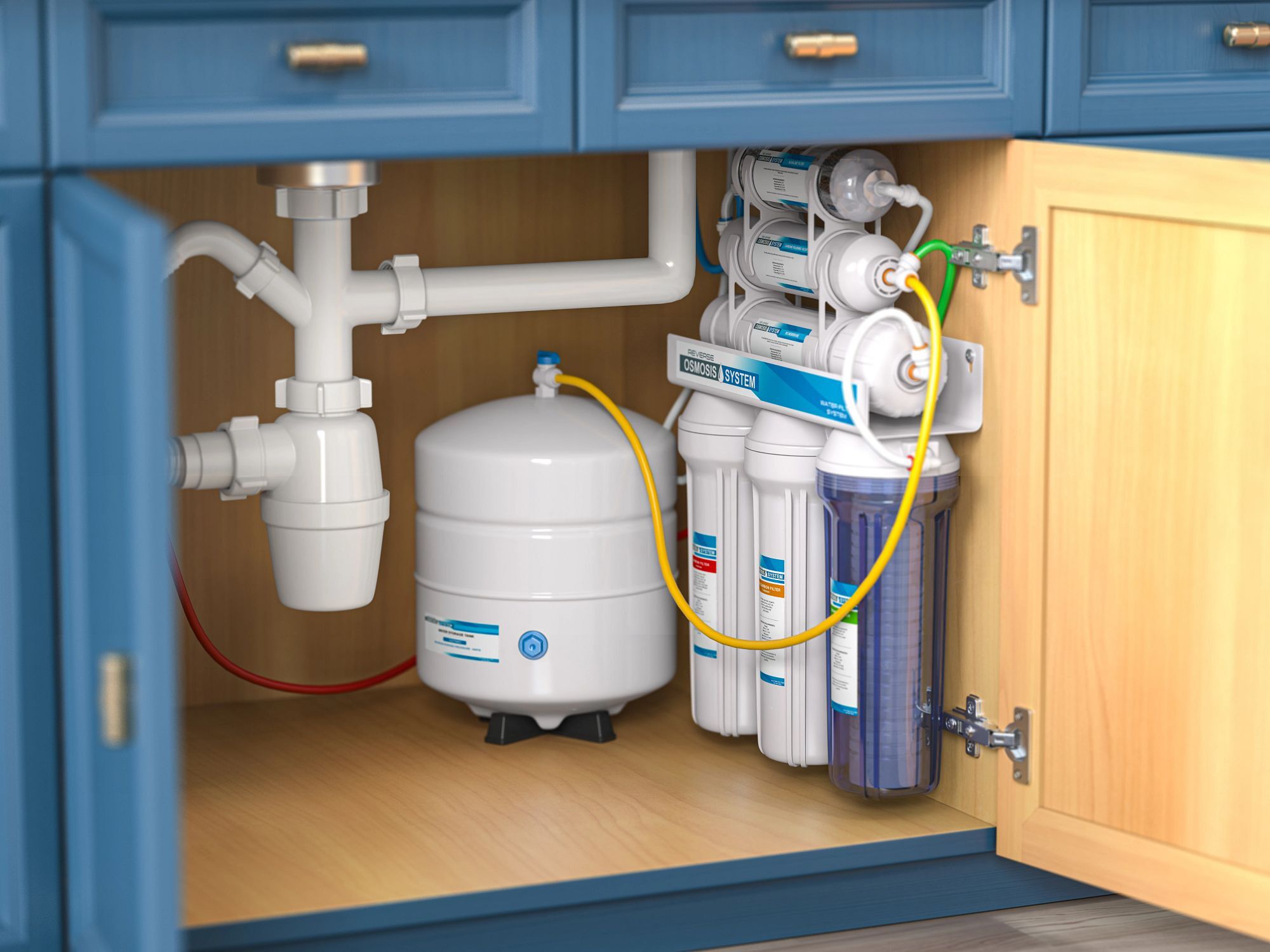
NSF Launches Protocol 549 for Glyphosate Reduction Claims
October 14, 2026P549 is the first standard globally that validates glyphosate reduction performance of water filtration systems and products.
NSF Welcomes Nicole Parent Haughey to Board of Directors
September 10, 2026NSF's appointment of Nicole supports the organisation's continued focus on long-term growth and transformation.
NSF Launches Independent Certification Standard for Compact Products
August 25, 2026New third-party certification verifies products cutting materials and shipping impacts while maintaining safety and performance.
NSF Achieves European Accreditation for Drinking Water Product Certification Ahead of 2027 EU Deadline
July 22, 2026The ISO/IEC 17065 accreditation from BELAC complements NSF’s testing capacity, enabling end-to-end support for EU Drinking Water Directive (DWD) readiness ahead of the January 2027 deadline.