Standards and Regulations Related to Fluoride in Drinking Water
Water fluoridation is the practise of adjusting the fluoride content of drinking water. Fluoride is added to water for the public health benefit of greatly reducing the incidence of tooth decay and therefore improving the health of the community.
NSF certifies three products in the fluoridation category:
- 1
Fluorosilicic acid (aka fluosilicic acid or hydrofluosilicic acid)
- 2
Sodium fluorosilicate (aka sodium silicofluoride)
- 3
Sodium fluoride
All three products readily dissociate in water to release fluoride and related ions. In the case of the fluorosilicates, they fully dissociate to fluoride and silicate ions in association with either hydrogen or sodium ions1. In the case of sodium fluoride, it fully dissociates to form fluoride and sodium ions.
Treatment products that are used for fluoridation are specifically addressed in Section 7 of NSF/ANSI/CAN 60. The standard requires that the treatment products added to drinking water, as well as any impurities in the products, are supported by an evaluation of potential health effects resulting from exposure to the products or associated contaminants.
How NSF Can Help You

What’s New with NSF
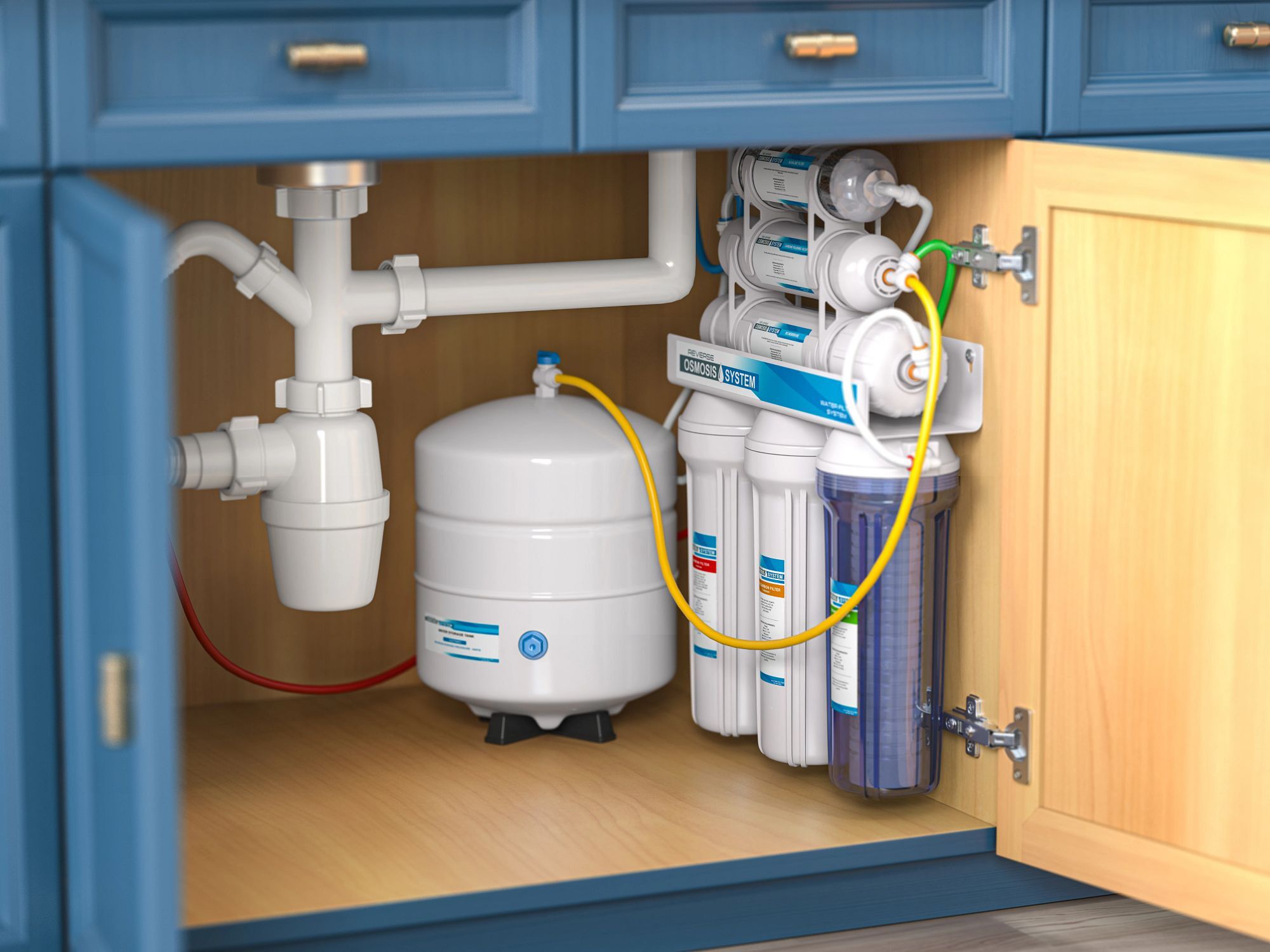
NSF Launches Protocol 549 for Glyphosate Reduction Claims
October 14, 2026P549 is the first standard globally that validates glyphosate reduction performance of water filtration systems and products.
NSF Welcomes Nicole Parent Haughey to Board of Directors
September 10, 2026NSF's appointment of Nicole supports the organisation's continued focus on long-term growth and transformation.
NSF Launches Independent Certification Standard for Compact Products
August 25, 2026New third-party certification verifies products cutting materials and shipping impacts while maintaining safety and performance.
NSF Achieves European Accreditation for Drinking Water Product Certification Ahead of 2027 EU Deadline
July 22, 2026The ISO/IEC 17065 accreditation from BELAC complements NSF’s testing capacity, enabling end-to-end support for EU Drinking Water Directive (DWD) readiness ahead of the January 2027 deadline.