NSF/ANSI/CAN 50 Requirements for Cold Plunges Focusing on Wellness Culture

Their use continues to accelerate as more consumers turn to cold immersion for physical and mental health benefits. As commercial installations grow and product designs expand, regulators and manufacturers are showing increased interest in consistent requirements that support safe operation and reliable performance.
Cold tubs typically operate at temperatures of 65℉ (18℃) or below. Many systems include integrated circulation, filtration and disinfection technologies along with chillers designed to maintain very low water temperatures. Facilities may use these tubs intermittently throughout the day or operate them at high throughput. Some venues report hundreds of daily uses as users rotate between hot and cold environments, which increases the importance of maintaining effective water quality throughout the operating cycle.
Cold tubs within the scope of NSF/ANSI/CAN 50
Cold tubs that include any type of circulation, treatment or disinfection system already fall within the scope of NSF/ANSI/CAN 50 today. The standard applies to both prepackaged systems and field-built installations. A prepackaged system may incorporate pumps, filters, and controls into a single engineered unit. Field built systems may use individual components assembled onsite. Both approaches are already recognized under the current standard.
Although NSF/ANSI/CAN 50 has historically emphasized spas and hot tubs, its requirements also apply to cold applications. Market growth, shifting usage patterns and new equipment designs are prompting additional clarity to help ensure the standard continues to align with how cold tubs are being manufactured and installed.
How NSF/ANSI/CAN 50 is evolving
Cold tubs are part of a rapidly expanding wellness trend. Alongside this growth, manufacturers and regulators have identified areas where enhanced clarity would benefit the industry. Several factors are driving this need.
Increased use and new operating patterns
Cold tub use is no longer limited to small training rooms. Many facilities are adding multiple units to meet rising demand. Frequent use can stress disinfection and circulation systems, especially in cold water where some technologies may behave differently. Manufacturers and public health officials are seeking test methods that better reflect real world performance under cold conditions.
Varying regulatory interpretations
States and municipalities are interpreting cold tubs in different ways. Some have compared them to in-ground pools while others apply spa or hot tub requirements. This variation has created challenges for manufacturers seeking acceptance across jurisdictions. Regulators often request NSF/ANSI/CAN 50 certification for commercial installations because it provides a consistent framework for verifying safety and performance.
New technology and integrated system designs
Cold tubs are frequently designed as integrated systems. Many already incorporate pumps, chillers, controls, filters and disinfection equipment in a single package. These designs differ from traditional component-based installations. As a result, system level testing approaches may be more appropriate than duplicating individual component testing for each piece of equipment.
Current standards development efforts
The NSF/ANSI/CAN 50 joint committee has initiated some updates to the cold tub language in the standard to better reflect cold tub technology and align the standard with current industry needs.
Examples include:
- Clarifying scope and terminology: Cold tubs with circulation or treatment systems are already covered. Proposed updates will clarify this explicitly so manufacturers, operators and regulators can easily identify applicable requirements.
- Refining test methods for low temperature operation: Cold water may influence the performance of systems such as UV treatment, chemical feeders, or mechanical characteristics of seals. Task groups are evaluating whether certain sections of the standard should be updated to reflect these conditions more accurately.
- Evaluating system level approaches: For prepackaged systems, the joint committee is exploring test methods that evaluate the performance of the system as a whole. This approach could ensure effective safety verification while avoiding unnecessary repetition of tests designed for standalone components.
- UV system requirements for cold applications: A ballot focused on UV system performance in cold water applications is already active within the standards development process. If approved, new language is expected to appear in the 2026 edition of NSF/ANSI/CAN 50, subject to ballot outcomes.
An evolving standard for a growing market
Cold tubs have always been included in NSF/ANSI/CAN 50 when they incorporate circulation or treatment technologies. As the wellness market expands, the standard is progressing through normal development cycles to ensure requirements remain aligned with modern equipment design, use patterns and regulatory needs. Task group work will continue throughout 2026 to support clear expectations for manufacturers and greater consistency for regulators and operators.
Learn more about pool and spa equipment certification
Test and certify your pool and spa equipment and chemicals to ensure product quality and compliance with health and safety regulations.
Learn more about pool and spa chemicals certification
Evaluate the risk and potential toxicity of your pool chemicals by certifying them to the highest standard in the industry, NSF/ANSI/CAN 50.
How NSF Can Help You

What’s New with NSF
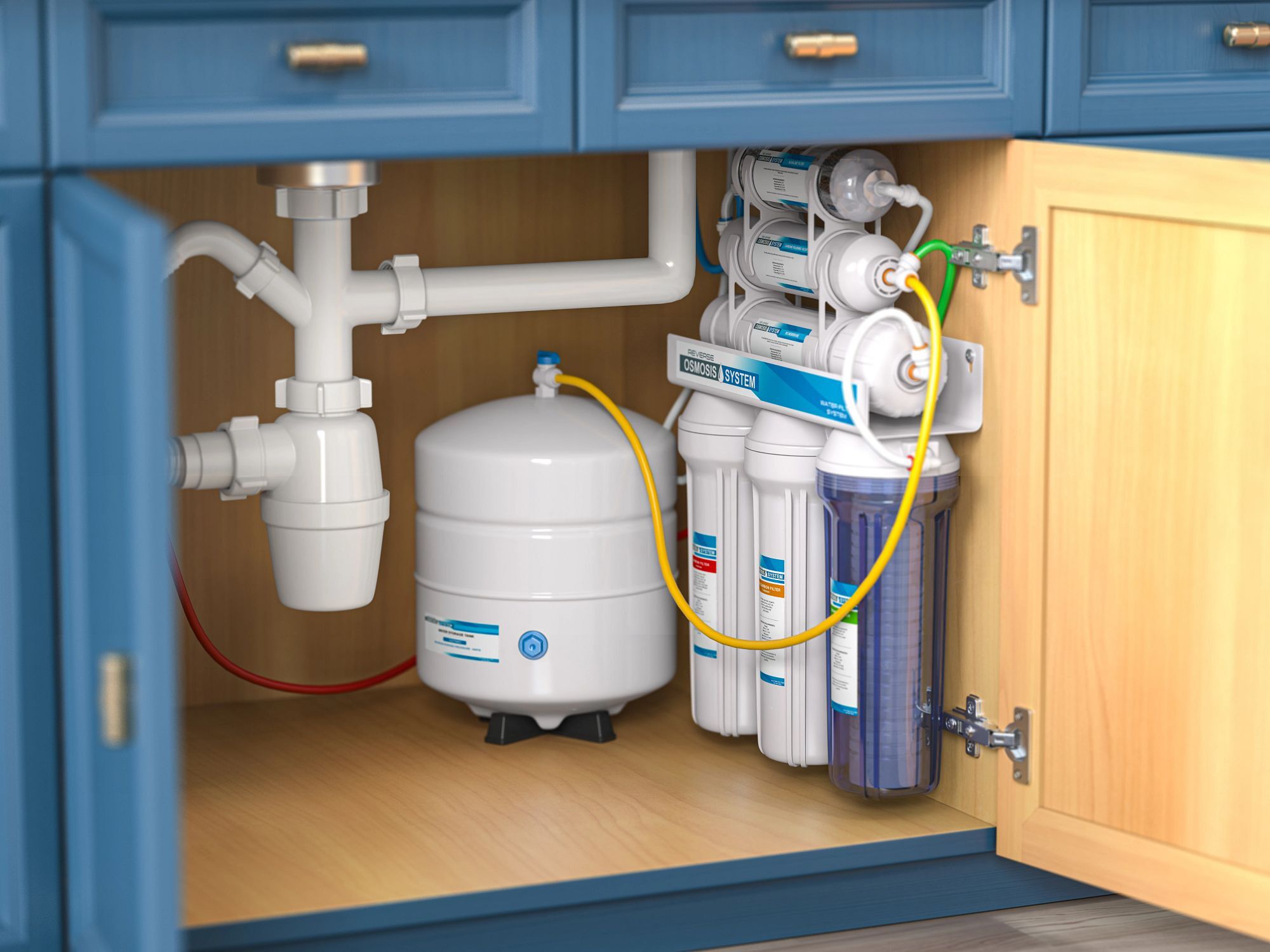
NSF Launches Protocol 549 for Glyphosate Reduction Claims
October 14, 2026P549 is the first standard globally that validates glyphosate reduction performance of water filtration systems and products.
Information Systems Security Association (ISSA) Welcomes NSF’s Brian Schultz into the 2026 Hall of Fame
September 10, 2026Lifetime achievement recognition honors exceptional leadership and lasting contributions to the cybersecurity profession.
NSF Welcomes Nicole Parent Haughey to Board of Directors
September 10, 2026NSF's appointment of Nicole supports the organization's continued focus on long-term growth and transformation.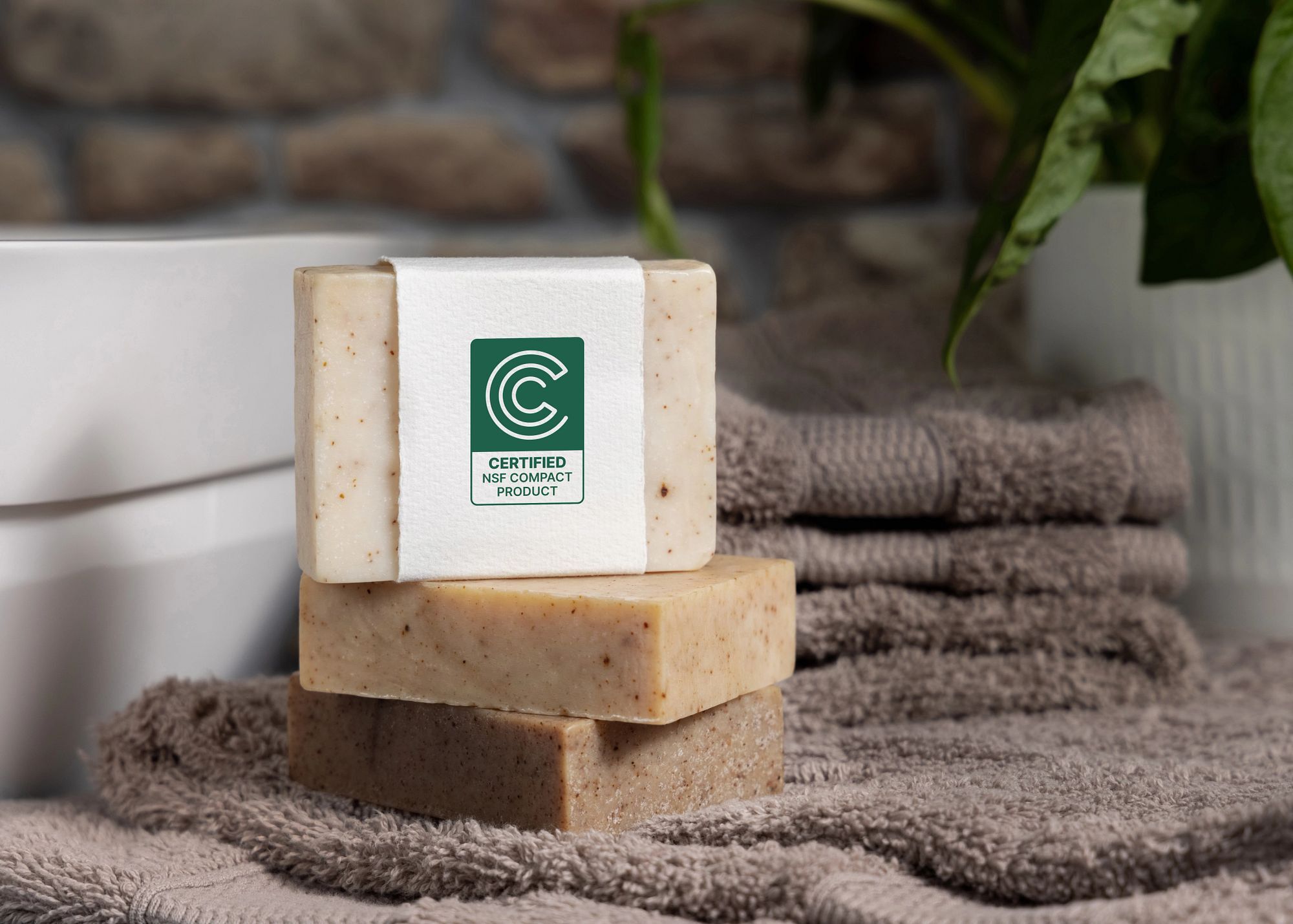
NSF Launches Independent Certification Standard for Compact Products
August 25, 2026New third-party certification verifies products cutting materials and shipping impacts while maintaining safety and performance.