NSF’s Cage-Free/Free-Range Certification: What You Need To Know
NSF's Cage-Free/Free-Range Certification helps brands verify humane egg production practices and build consumer trust.
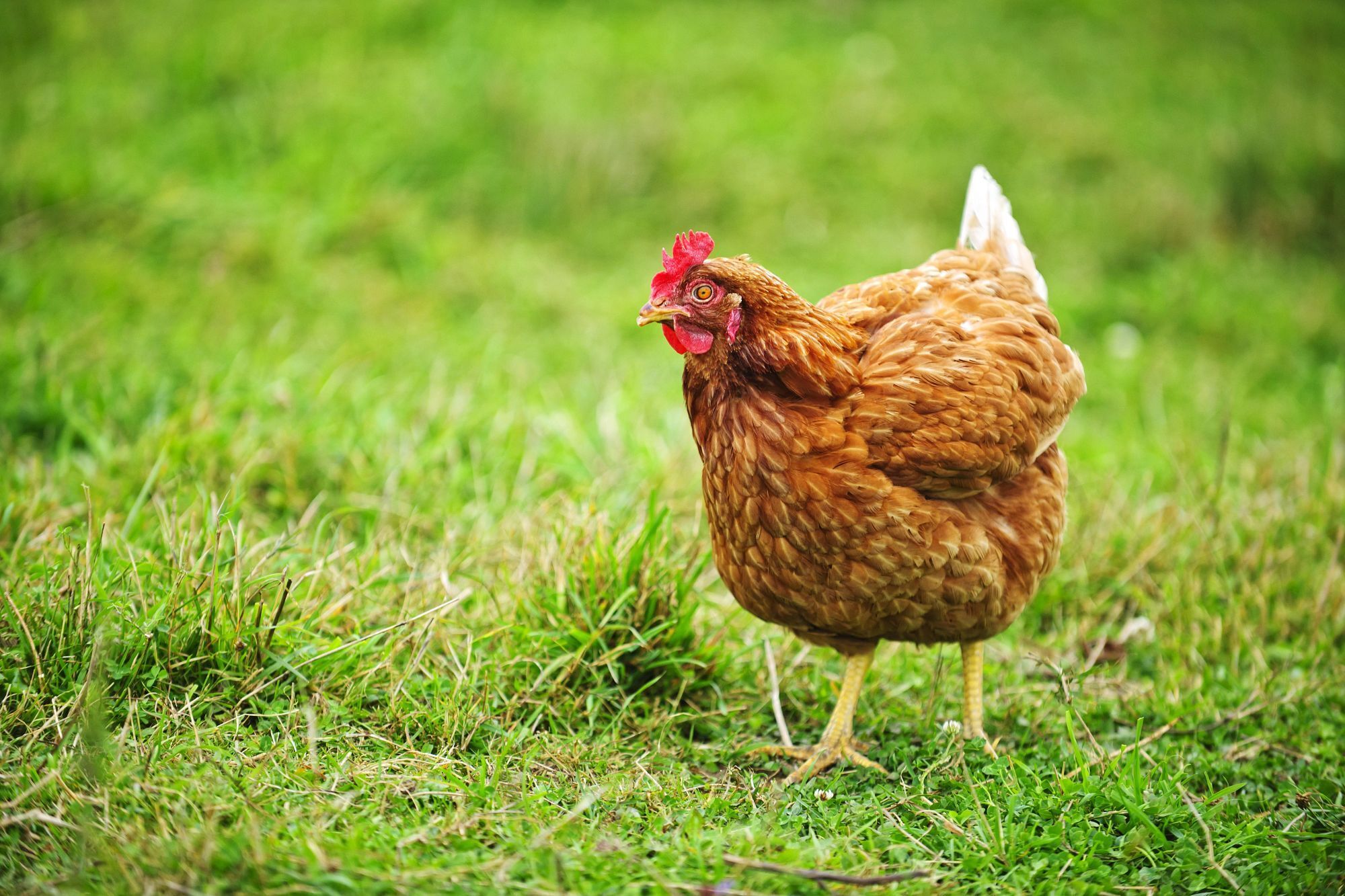
The certification includes all types of egg products from avian species (for example, chicken, duck, and quail); and it comes in two variations:
- Cage-Free: Verifies that birds are kept out of battery cages from day one and includes other animal wellness requirements. The claim may appear as “Free-Run” on labels, depending on regional preferences.
- Free-Range: Same requirements as cage-free, plus outdoor access for birds for a minimum of six hours daily during daylight hours, when weather permits.
Who can get certified
- Egg producers (farms): can certify their cage-free or free-range egg production.
- Egg processors and packers: can certify their egg processing operations and may also pursue "Made With" certification for multi-ingredient products containing compliant eggs.
- Hospitality organizations: can pursue "Made With" certification to certify finished products and menu items made with compliant eggs.
Requirements by organization type
The scope of the requirements varies depending on the organization
Farms
Farms have broader requirements because they house live animals. Onsite inspection is part of the audit; for group farm operations, 25% of sites will be audited. They must comply with and document the following:
- Housing environment: They must meet specific criteria for stocking density, indoor temperature, humidity, ventilation, ammonia levels, lighting levels and darkness periods as well as access to perches and nests.
- Daily care: Farms are required to conduct internal flock inspections at least once daily and maintain checklist for these inspections.
- Outdoor access: Farms seeking Free-Range certification must ensure birds have outdoor access for a minimum of 6 hours daily during daylight hours, weather permitting.
- Specialized documentation: During an audit, farms must produce records such as:
- Veterinary health plans and veterinary record
- Records of the life of the livestock
- Ammonia testing records
- Beak trimming records
- Livestock transport records
Other operational SOPs (standard operating procedures) include but are not limited to:
- Traceability, recall and disposition
- Storage and handling to prevent cross contamination
- Cleaning and sanitation
- Biosecurity, access safety and emergency preparedness
- Quality control and compliance
- Complaint handling
- Employee training refreshed annually
Packers and processors
Packers and processors are subject to operational SOPs and must also demonstrate that eggs were sourced from a producer that is certified with NSF or with other third-party certification deemed equivalent. Onsite audit is required.
If the supplier lacks valid certification, NSF can conduct an onsite audit of the supplier as part of the packer/processor certification process.
Hospitality organizations
They must submit product formulations and labels for review and a list of compliant egg suppliers. They're exempt from onsite inspection.
Requirements at a glance
| Focus | Onsite audit | |
| Farms | SOPs for humane treatment of birds, traceability of animals to place of birth, and other operational SOPs | Yes (25% of sites for group farm operations) |
| Processors and packers | Sourcing verification, operational SOPs | Yes |
| Hospitality organizations | Sourcing verification, product formulations, product labeling | No |
The six steps to getting certified
- 1
Connect with the NSF Sales Team. A sales representative will provide information about the process and gather key details about your certification needs to prepare a customized quote.
- 2
Submit your application.You’ll be assigned a dedicated Project Manager who will review your application documents.
- 3Complete the onsite audit (for farms and processing or packaging facilities). Onsite audits of farming sites must be conducted when animals are present.Food service and hospitality applicants shall undergo a remote assessment of records required for certification andare not required to have an on-site audit.
- 4Address non-conformances.In the event of a failed audit,re-inspection will berequired.
- 5
Once NSF confirms full compliance with the protocol for the approved claim,certification is granted. The certificate lists the certified sites and products, and certified products are also listed on NSF's public listings website.
- 6Showcase your certification.Use the certification marks to promote your certification on packaging, menus, and marketing materials.
Learn more about NSF Cage-Free/Free-Range Certification
Build consumer trust and meet buyer requirements with verified cagefree and freerange certification.
How NSF Can Help You
What’s New with NSF

Information Systems Security Association (ISSA) Welcomes NSF’s Brian Schultz into the 2026 Hall of Fame
September 10, 2026Lifetime achievement recognition honors exceptional leadership and lasting contributions to the cybersecurity profession.
NSF Welcomes Nicole Parent Haughey to Board of Directors
September 10, 2026NSF's appointment of Nicole supports the organization's continued focus on long-term growth and transformation.
NSF Launches Independent Certification Standard for Compact Products
August 25, 2026New third-party certification verifies products cutting materials and shipping impacts while maintaining safety and performance.
NSF Achieves European Accreditation for Drinking Water Product Certification Ahead of 2027 EU Deadline
July 22, 2026The ISO/IEC 17065 accreditation from BELAC complements NSF’s testing capacity, enabling end-to-end support for EU Drinking Water Directive (DWD) readiness ahead of the January 2027 deadline.