NSF/ANSI 42, 53 and 401: Filtration Systems Standards
NSF/ANSI 42, 53 and 401 are the leading industry standards for filtration products and systems. Read more about the scope, testing and claims under each.
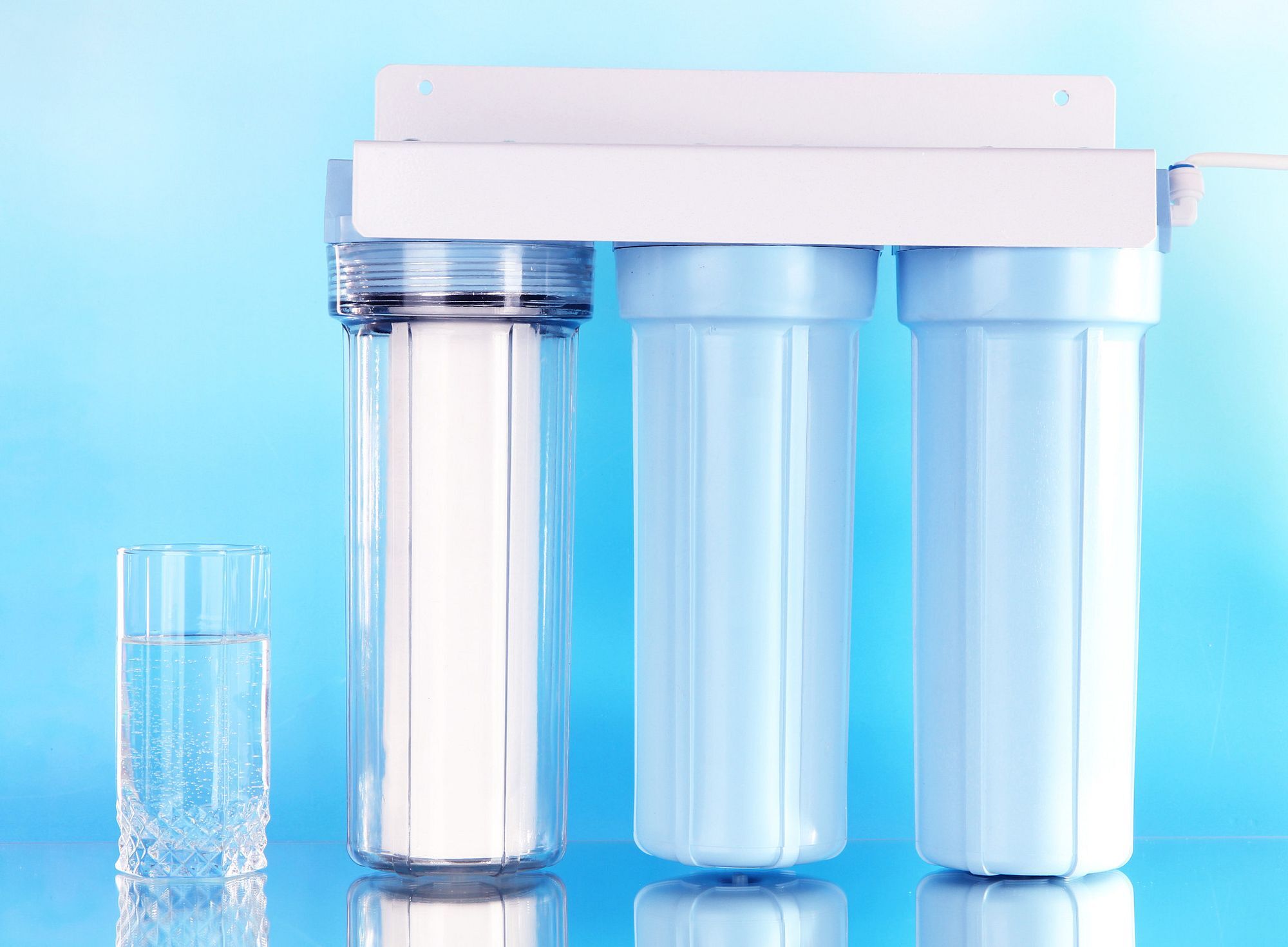
The most common certifications for filtration systems are NSF/ANSI 42, 53, and 401, which certify that a product effectively reduces specific contaminants from drinking water.
NSF/ANSI 42: Drinking Water Treatment Units – Aesthetic Effects
This standard establishes minimum requirements for systems designed to reduce non-health-related contaminants.
- Scope: Point-of-use and point-of-entry systems.
- Claims: Chlorine, taste and odor, chloramine, particulate, iron, manganese, zinc, and total dissolved solids (TDS).
- Testing: Material safety (including content in accordance with NSF/ANSI/CAN 372), structural integrity, and specific aesthetic-related contaminant reduction claims (claims vary by product).
NSF/ANSI 53: Drinking Water Treatment Units – Health Effects
This standard establishes minimum requirements for systems designed to reduce specific health-related contaminants.
- Scope: Point-of-use and point-of-entry systems.
- Claims: This standard offers over 50 contaminant reduction claims. Some of the most popular include lead, Cryptosporidium, VOCs, and chromium.
- Testing: Material safety (including content in accordance with NSF/ANSI/CAN 372), structural integrity, and specific health-related contaminant reduction claims (claims vary by product).
NSF/ANSI 401: Emerging Compounds/Incidental Contaminants
This standard addresses the ability of a water treatment device to remove up to 15 individual contaminants identified in published studies as occurring in drinking water. The pollutants covered in NSF/ANSI 401 have been detected in drinking water supplies at trace levels and can affect some consumers’ perception of drinking water quality.
- Scope: Point-of-use and point-of-entry systems.
- Claims: This standard offers up to 15 specific contaminant reduction claims. The most popular categories include prescription drugs, over-the-counter medications, herbicides, pesticides, and chemical compounds.
- Testing: Material safety (including content in accordance with NSF/ANSI/CAN 372), structural integrity, and specific emerging compounds/incidental contaminants outlined in the standard.
Learn more about our water filtration services
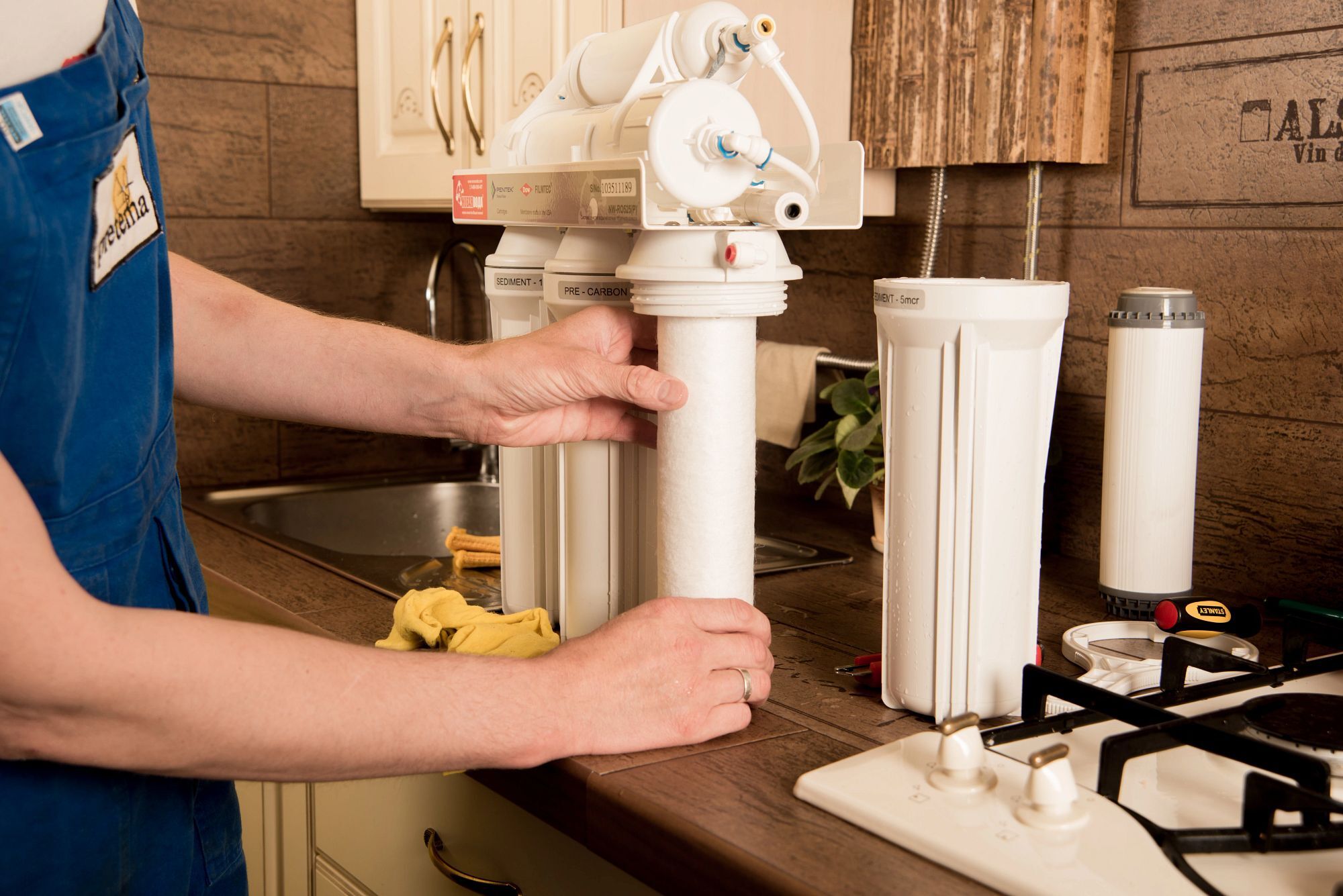
Test and certify water filtration and treatment systems, tailored for municipal, residential, or commercial use.
How NSF Can Help You

What’s New with NSF

NSF Welcomes Nicole Parent Haughey to Board of Directors
September 10, 2026NSF's appointment of Nicole supports the organisation's continued focus on long-term growth and transformation.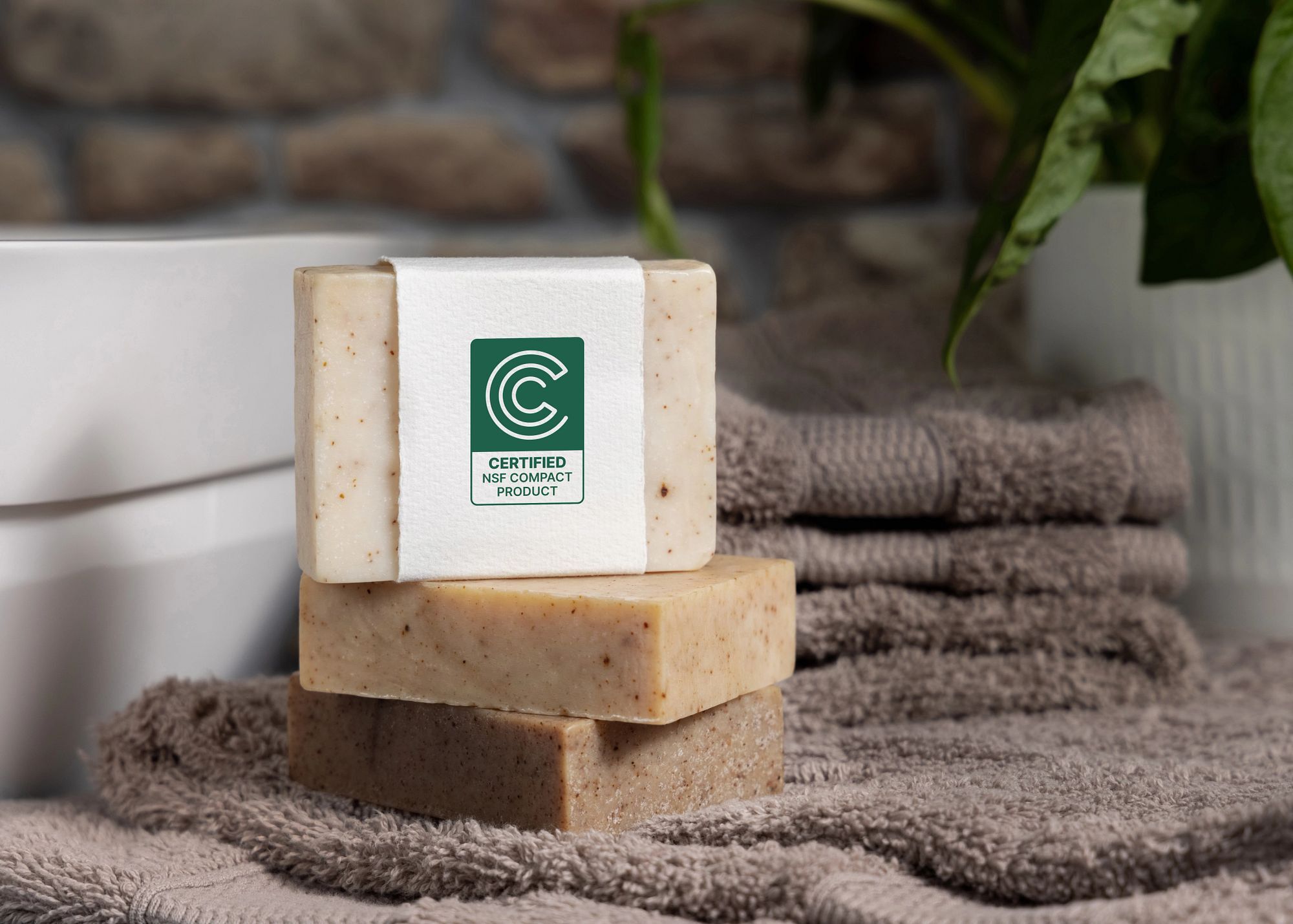
NSF Launches Independent Certification Standard for Compact Products
August 25, 2026New third-party certification verifies products cutting materials and shipping impacts while maintaining safety and performance.
NSF Achieves European Accreditation for Drinking Water Product Certification Ahead of 2027 EU Deadline
July 22, 2026The ISO/IEC 17065 accreditation from BELAC complements NSF’s testing capacity, enabling end-to-end support for EU Drinking Water Directive (DWD) readiness ahead of the January 2027 deadline.
Meet NSF at Fruit Attraction
July 15, 2026NSF is excited to be exhibiting at Fruit Attraction, a leading international trade fair for the fruit and vegetable sector.