NSF Launches Protocol 549 for Glyphosate Reduction Claims
P549 is the first standard globally that validates glyphosate reduction performance of water filtration systems and products.
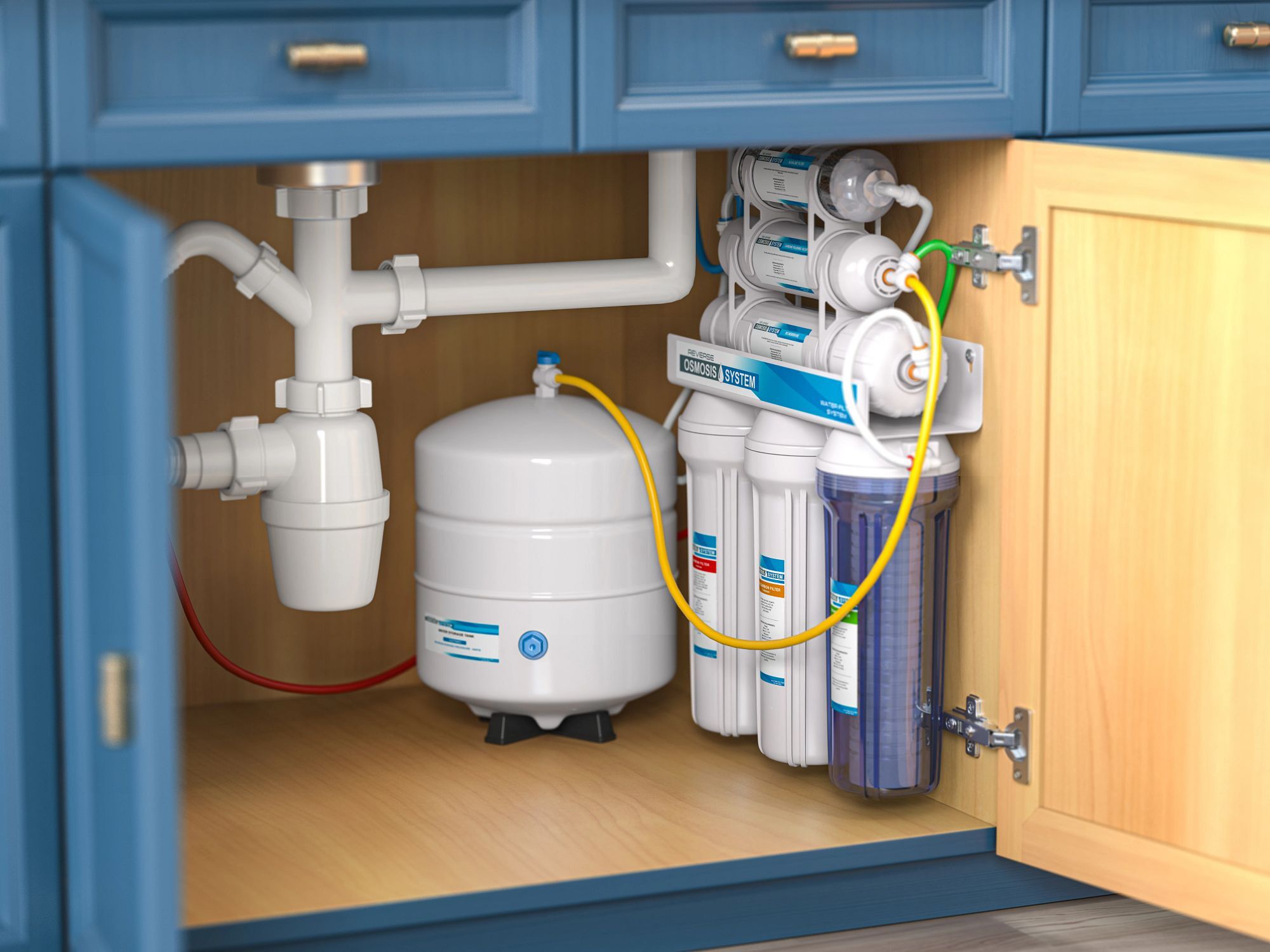
ANN ARBOR, Mich. — NSF, a global public health organisation, today launched NSF Protocol 549 (P549), which provides independent verification that products reduce glyphosate as claimed.
Glyphosate is the most widely used herbicide globally. As consumer interest in verified contaminant reduction claims continues to grow, NSF has sought to develop standards, certifications and protocols that address their demands and prioritize their health and wellbeing.
Prior to today’s debut of P549, no authoritative, standardised certification provided a credible, science-based way to validate the performance of water filtration systems and products as they relate to glyphosate reductions. NSF helps bridge that gap through independent verification backed by rigorous science and globally recognised certification expertise.
“NSF Protocol 549 is the first globally designed to measure a reduction of glyphosate through trusted, science-based third-party testing,” said Vincent Boks, VP of Water, NSF. “NSF Protocol 549 enables manufacturers to differentiate their products by being among the first to independently verify glyphosate reduction performance.”
Herbicides are the most used agricultural chemical in history, and glyphosate is a broad-spectrum systemic herbicide and crop desiccant used for weed control in agricultural settings. It enters the water supply through two primary mechanisms: agricultural runoff, and its byproduct aminomethylphosphonic acid (AMPA) that persists in the environment.
According to the World Health Organisation (WHO), glyphosate is “probably carcinogenic to humans,” and the Centers for Disease Control and Prevention (CDC) found that glyphosate exposure can result in negative respiratory effects in humans, and negative development effects in animals.
P549 is aligned with existing standardised, science-based testing protocols, including NSF/ANSI 53, which establishes minimum requirements for systems designed to reduce specific health-related contaminants, and NSF/ANSI 58, which includes requirements addressing various aspects of point-of-use (POU) reverse osmosis (RO) systems.
“Aligning with existing NSF certifications, NSF Protocol 549 further prioritises public health by providing consumers with peace of mind that their water filtration systems and products reduce their potential exposure to glyphosate,” said Jérôme Logie, Senior Director of Water, NSF. “This protocol continues to position NSF as a trusted global public health authority for consumers, and provides manufacturers a standard of safety for their filtration systems and products.”
To comply with P549, tested filtration systems and products are required to reduce the amount of glyphosate in the resulting water to 0.28mg/L or lower, a recognised health-protective benchmark. Glyophaste reduction can be achieved through filtration systems and products utilizing methodology including adsorption through activated carbon and reverse osmosis.
How NSF Can Help You

What’s New with NSF

NSF Welcomes Nicole Parent Haughey to Board of Directors
September 10, 2026NSF's appointment of Nicole supports the organisation's continued focus on long-term growth and transformation.
NSF Launches Independent Certification Standard for Compact Products
August 25, 2026New third-party certification verifies products cutting materials and shipping impacts while maintaining safety and performance.
NSF Achieves European Accreditation for Drinking Water Product Certification Ahead of 2027 EU Deadline
July 22, 2026The ISO/IEC 17065 accreditation from BELAC complements NSF’s testing capacity, enabling end-to-end support for EU Drinking Water Directive (DWD) readiness ahead of the January 2027 deadline.
Meet NSF at Fruit Attraction
July 15, 2026NSF is excited to be exhibiting at Fruit Attraction, a leading international trade fair for the fruit and vegetable sector.