Blue Green Algae in Drinking Water
Warm weather along with the right nutrients in lakes, such as phosphates from agricultural runoff, create a perfect environment for the growth of blue-green algae. Large areas of blue-green algae growth are known as harmful algal blooms (or HABs), which can create toxic concentrations of a chemical called cyanotoxin. Cyanotoxins are a group of chemical contaminants formed by blue-green algae. The most common type is microcystin, which is toxic to humans and animals. Municipal water treatment systems cannot always quickly and effectively treat microcystin in drinking water.
HABs have occurred across the globe from Lake Erie in the United States, to Lake Koetshuis in the Netherlands, to Lake Taihu in China.
Potential Health Effects From Microcystin
Exposure to unsafe levels of microcystin concentrations through drinking water or swimming, have been known to cause a wide range of symptoms including fever, headache and vomiting, as well as liver and kidney damage in more severe instances.
The US Environmental Protection Agency (EPA)’s recommends a drinking water limit of microcystin of 0.3 ppb (parts per billion) for children under aged 6 and 1.6 ppb for everyone else. These US EPA official health advisory levels for North America were determined in cooperation with Health Canada. In Europe, the water directive for microcystin in drinking water is 1,0 µg/L (ppb).
What to Do If There is a Microcystin Water Advisory?
Don’t boil your water. Boiling water that contains microcystin will actually concentrate the toxin. Follow the advice of your water authority regarding drinking, cooking, bathing, dish washing, providing it to pets or filtering the water during the advisory.
Using Bottled Water During a Water Emergency
Bottled water is an excellent option during a drinking water emergency or advisory. Store it properly by keeping it out of the garage, away from chemicals, and off the ground, where you would store food in your home.
Water Filters That Reduce Microcystin
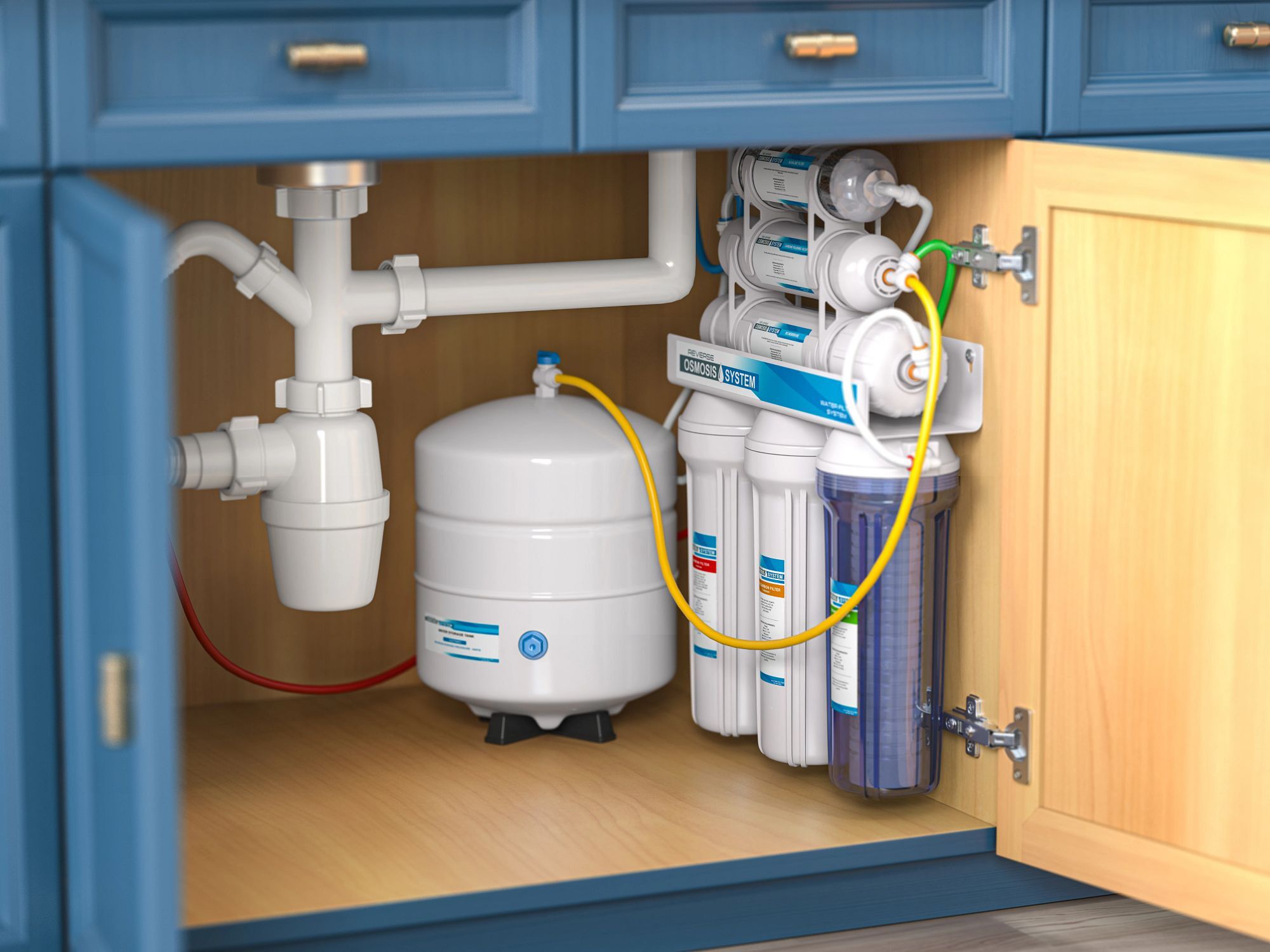
NSF scientists and public health experts have tested and certified products for over 80 years. They have tested and certified water filters to ensure they reduce microcystin toxins to below the health advisory levels set by the US Environmental Protection Agency (EPA). To find NSF-certified products to reduce microcystin in drinking water, visit the NSF certification listings.
How NSF Can Help You
What’s New with NSF
NSF Launches Protocol 549 for Glyphosate Reduction Claims
October 14, 2026P549 is the first standard globally that validates glyphosate reduction performance of water filtration systems and products.
Cambium Analytica, an NSF Company, Opens New Lab in Traverse City, Mich
October 6, 2026Ribbon cutting debuts innovative 15,000-square-foot testing facility to support evolving needs of the food & supplement industries.
NSF Drives Industry Conversations at SupplySide Global 2026 - Las Vegas, Oct. 26–30
September 17, 2026NSF returns to SupplySide Global with expert-led training and trusted certification solutions. Visit Booth 4741 to discover how NSF and Cambium Analytica help brands build trust, increase consumer confidence and stand out in a competitive marketplace.
NSF Welcomes Hanjun Kwon, Managing Director, APAC
September 14, 2026Experienced business leader to drive sustainable growth, organizational development and operational excellence across the Asia-Pacific region.