Copper in Drinking Water
Copper in drinking water can come from several sources. It can result from the corrosion of pipes in your home or the distribution system delivering your city water. It can also be in the drinking water due to natural deposits in the ground water. Copper in drinking water can in some cases cause a blue-green color in the water. This is due to a large amount of dissolved copper, typically in newer homes with new copper plumbing. High levels of copper in drinking water can also cause gastrointestinal distress1.
When copper is present in drinking water at high levels, you may notice a taste and/or staining of laundry or plumbing fixtures. You should thoroughly flush the water through your faucets before drinking the water2 or use an NSF-certified drinking water treatment system that is certified for reducing copper. Copper is an essential element to people; however adverse health effects may occur at levels much higher than the regulatory level of 1,300 parts per billion-ppb (1.3 mg/L.)2.
Water Testing and Water Quality Reports
You may want to have your water tested if you have well water.
For those with city water, you may want to consider getting a copy of your local water quality report from the utility or company who provides you with drinking water.
Standards for Treatment of Copper in Drinking Water
The US EPA maximum contaminant level goal is (1,300 ppb (1.3 mg/L) To picture this amount, one mg/L is equal to 4.5 drops in a 55-gallon barrel of water. NSF certifies treatment systems that reduce copper under NSF/ANSI 53: Drinking Water Treatment Systems – Health Effects and NSF/ANSI 58: Reverse Osmosis Treatment Systems. Four major areas are reviewed to meet the criteria of these standards. First, all products that are intended for installation on a pressurized water line are checked for structural integrity to ensure they do not leak or crack. Second, all certified products also go through extraction testing, which is a process that involves exposing the wetted parts (the parts that are intended for contact with the water, such as the inside of the housing, the filter media, etc.) to an aggressive test water to determine if any heavy metals or other impurities are being introduced. The standards limit the amount of impurities that a certified system can introduce, with the maximum allowed concentrations being based on U.S. EPA or Health Canada drinking water limits.
Thirdly, testing is performed to verify if the product is truly effective at reducing the contaminants being claimed by the manufacturer, which in this case is copper.
Lastly, NSF verifies the accuracy of the labeling on the packaging to ensure it does not contain any false or misleading statements. While performance testing is done on a pass/fail basis, if a company chooses to put percentages of reduction on the product packaging, we will ensure they do match the official test results that specific product achieved.
Treatment Filters and Systems for Copper in Drinking Water
Filters that are NSF-certified under NSF/ANSI 53 for copper reduction claims will reduce the copper to below the US EPA action level 1,300 ppb (1.3 mg/L). These filters are tested at an incoming copper level of 3,000 ppb (3 mg/L) showing that the filters reduce the copper to at least the EPA’s maximum contaminant level of 1.3 mg/L or lower.
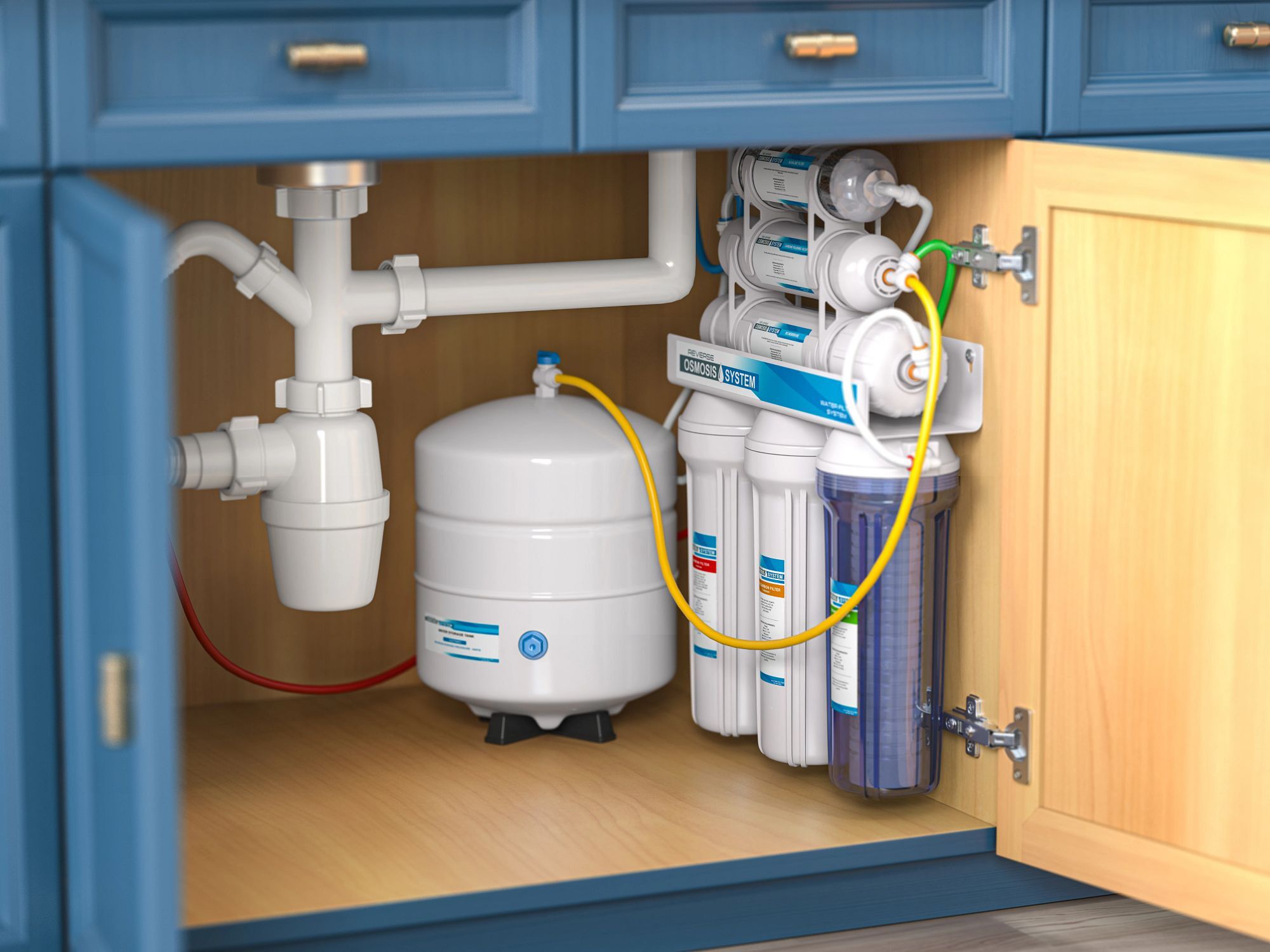
Reverse osmosis systems certified by NSF reduce the copper to below the action level of 1,300 ppb (1.3 mg/L).
Sources:
1 www.epa.gov/ground-water-and-drinking-water/national-primary-drinking-water-regulations
2 www.canada.ca/en/health-canada/services/environmental-workplace-health/reports-publications/water-quality/guidelines-canadian-drinking-water-quality-summary-table.html
How NSF Can Help You

What’s New with NSF
NSF Launches Protocol 549 for Glyphosate Reduction Claims
October 14, 2026P549 is the first standard globally that validates glyphosate reduction performance of water filtration systems and products.
Cambium Analytica, an NSF Company, Opens New Lab in Traverse City, Mich
October 6, 2026Ribbon cutting debuts innovative 15,000-square-foot testing facility to support evolving needs of the food & supplement industries.
NSF Drives Industry Conversations at SupplySide Global 2026 - Las Vegas, Oct. 26–30
September 17, 2026NSF returns to SupplySide Global with expert-led training and trusted certification solutions. Visit Booth 4741 to discover how NSF and Cambium Analytica help brands build trust, increase consumer confidence and stand out in a competitive marketplace.
NSF Welcomes Hanjun Kwon, Managing Director, APAC
September 14, 2026Experienced business leader to drive sustainable growth, organizational development and operational excellence across the Asia-Pacific region.