Emergency Drinking Water
How to find alternate drinking water sources in an emergency.
During a natural disaster or emergency, such as a broken water supply, public and private drinking water sources may become unavailable or unsafe due to microbiological contamination. As a result, you may need to find an alternate drinking water source until the regular supply is restored and deemed safe for human consumption.
Alternative Drinking Water Sources
There are several potential sources of water in emergencies:
- Bottled water in factory-sealed containers.
- Melted ice cubes if the ice cubes were made before the emergency occurred. However, don’t attempt to freeze contaminated water, as freezing does not kill bacteria.
- Rainwater collected in clean, food-grade storage containers; boil before drinking to kill bacteria.
- Water from the freshwater storage tank behind the toilet (not the bowl) can be used if boiled first.
- Don’t use water from waterbeds or swimming pools as it may contain harmful chemicals or other impurities.
Methods of Purifying Water
There are several ways to purify water that may have been contaminated with bacteria or other microorganisms:
- Boiling – destroys most bacteria, cysts and viruses. The Centers for Disease Control and Prevention (CDC) recommends boiling drinking water for a minimum of two to three minutes at a good rolling boil.
- Purification tablets – can usually be purchased from stores that sell camping supplies. Be sure to follow the directions on the package. Chemical disinfectants are generally effective against most forms of bacteria and viruses, but may not kill intestinal parasites (cysts), so boiling or filtering for cysts may still be needed.
- Liquid (not granular) household bleach - should be free of additives or scents and contain a hypochlorite solution of at least 5.25 %. The American Red Cross recommends adding 16 drops of bleach per gallon of water and letting the water stand for at least 30 minutes. If the treated water has no slight bleach odor, repeat the dosage and wait another 15 minutes. A filter certified for chlorine reduction can be used to reduce excess chlorine.
- Distillers – because water is boiled, they are effective at treating viruses, bacteria and cysts.
- Filters and reverse osmosis units – can mechanically filter parasites if they have a cyst reduction claim, but most are not certified effective for viruses or bacteria.
- Ultraviolet systems – could disinfect water provided it hasn’t been contaminated with wastewater. Like distillers, they require electricity to operate. Also, the water supply must be precise for the UV light to be adequate.
Tips for Storing an Emergency Water Supply
You can purchase and store bottled water or bottle your tap water to store in an emergency.
- Bottled water in factory-sealed containers can be stored indefinitely if kept in a proper environment.
- If you choose to purify and store your own water, use glass or food grade plastic containers (e.g. PET) with screw-on caps. Clearly mark containers with the date the water was stored and replace annually (the old water can also be used for irrigation, toilet flushing or other non-potable water applications).
- Don’t store your emergency water supply in a garage, shed or other area where it could be exposed to heat or chemical fumes. Keep water containers high enough off the floor to limit exposure to flood waters.
- Inspect your stored bottled water containers regularly for leaks or other problems. If you suspect the water quality has become compromised, discard or boil the water before consuming.
Source:
www.cdc.gov/water-emergency/about/how-to-create-and-store-an-emergency-water-supply.html
How NSF Can Help You
Get in touch to find out how we can help you and your business thrive.
What’s New with NSF
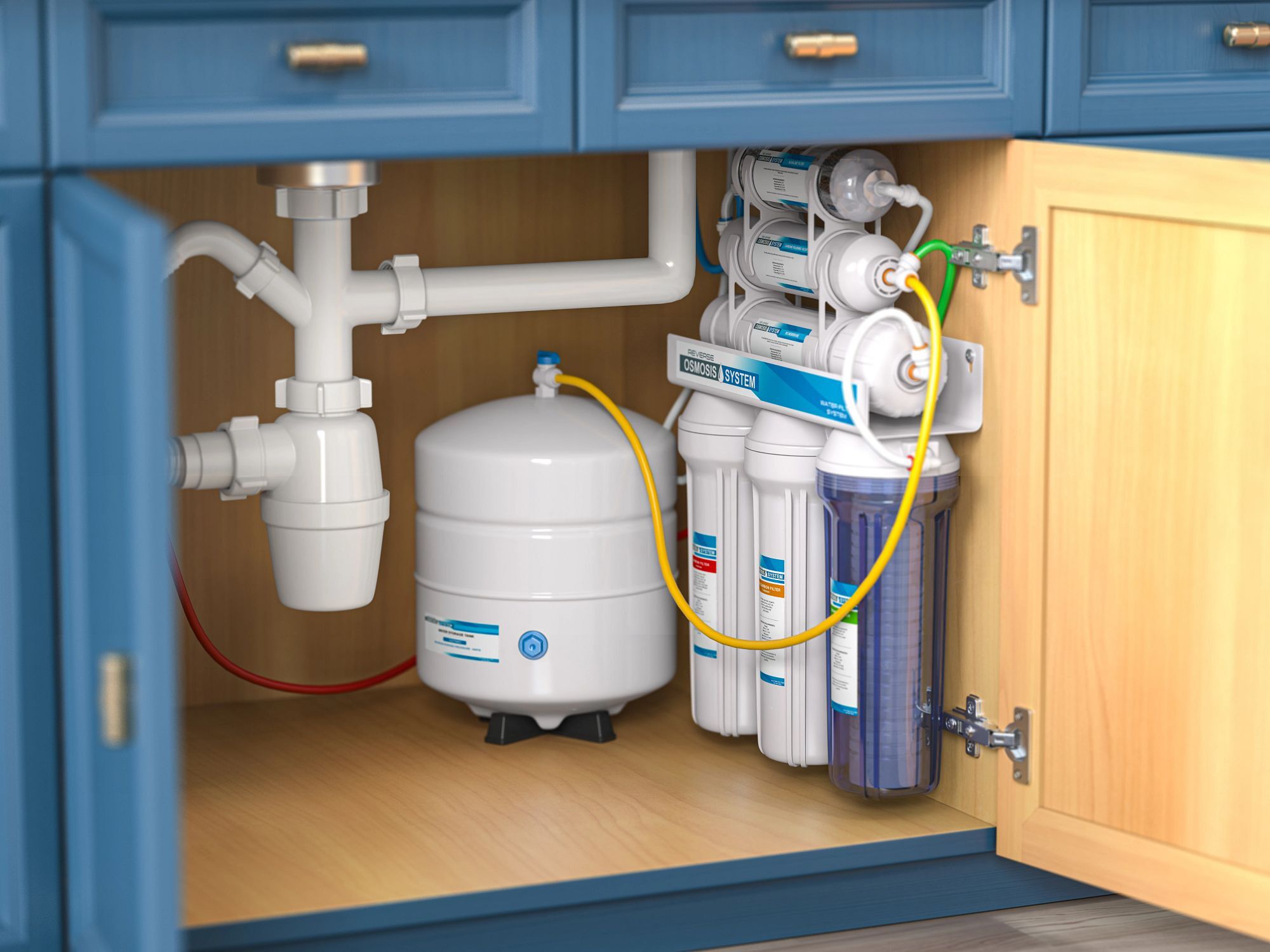
NSF Launches Protocol 549 for Glyphosate Reduction Claims
October 14, 2026P549 is the first standard globally that validates glyphosate reduction performance of water filtration systems and products.
Cambium Analytica, an NSF Company, Opens New Lab in Traverse City, Mich
October 6, 2026Ribbon cutting debuts innovative 15,000-square-foot testing facility to support evolving needs of the food & supplement industries.
NSF Drives Industry Conversations at SupplySide Global 2026 - Las Vegas, Oct. 26–30
September 17, 2026NSF returns to SupplySide Global with expert-led training and trusted certification solutions. Visit Booth 4741 to discover how NSF and Cambium Analytica help brands build trust, increase consumer confidence and stand out in a competitive marketplace.
NSF Welcomes Hanjun Kwon, Managing Director, APAC
September 14, 2026Experienced business leader to drive sustainable growth, organizational development and operational excellence across the Asia-Pacific region.