Handling Leftovers
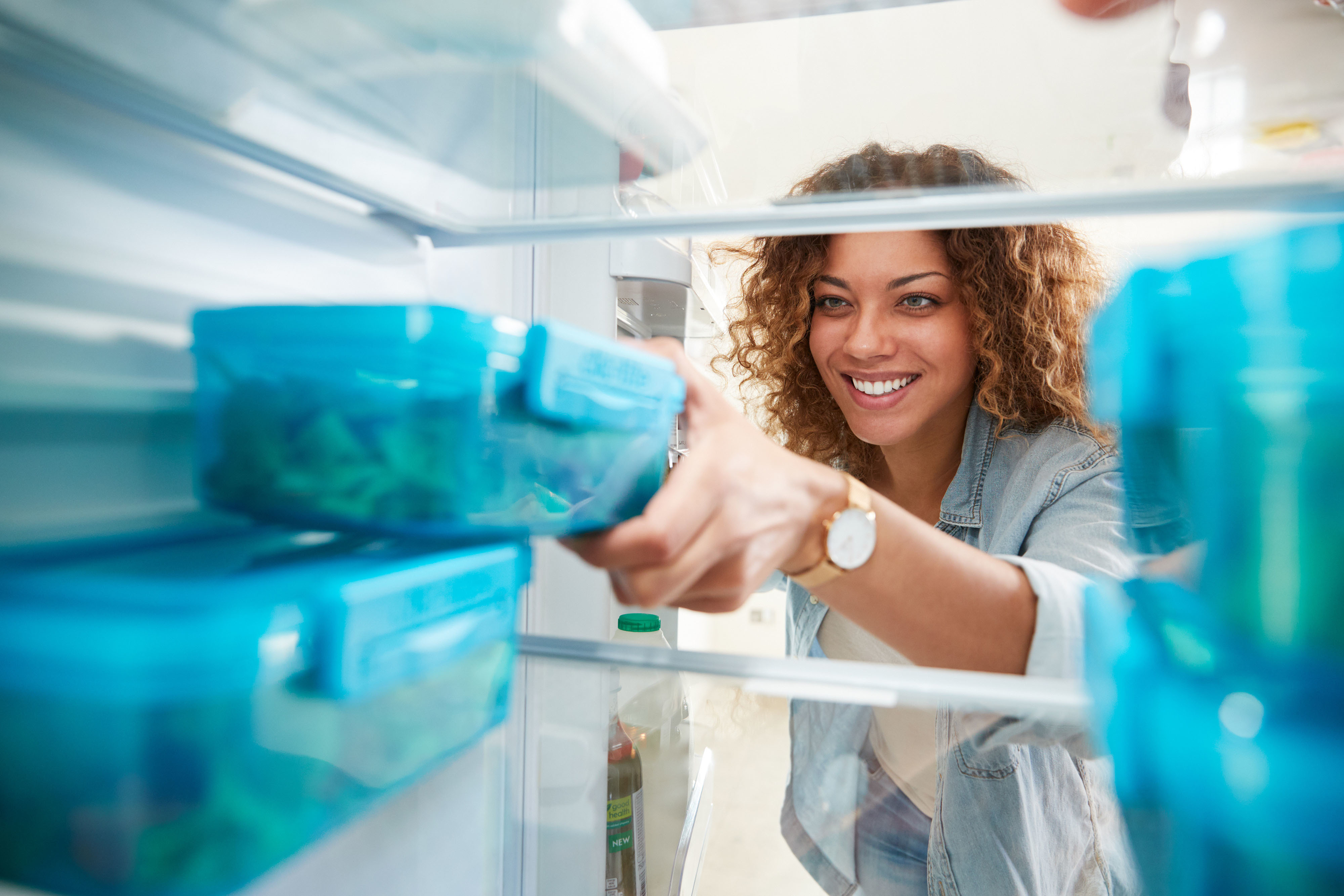
After a holiday party, family dinner or other gathering where food is served, there are often plenty of leftovers for the hosts and guests to enjoy later. Unfortunately, even if the food was properly cooked, leftovers can become unsafe to eat if not handled and stored properly.
Properly handling leftovers makes them safer to eat later. To keep your leftovers safe, follow the rules below:
Scrub up
First, wash your hands with warm water and soap. Scrub for 20 seconds, then rinse and dry them thoroughly. Do this before and after handling leftovers.
The right container
- Although it’s easy and tempting, don’t reuse the food’s original container for multiple leftover uses. Instead, place leftovers in proper storage containers.
- A 2013 germ study by NSF found that many kitchen items harbor germs if not cleaned properly, including food storage containers with rubber seals. These seals were the eighth germiest place in the kitchen and ripe for bacteria like Salmonella, yeast and mold. When you’re cleaning your containers, make sure to remove the rubber seals.
- If the container is dishwasher safe, remove the rubber seal and place the container, seal and lid in the dishwasher after each use. If you are hand washing, wash the seal, lid and container in hot, soapy water. Pay extra attention to the area where the seal fits into the top and the grooves where the cover attaches to the container.
- The best way to preserve food you love is to use NSF-certified food storage containers. NSF’s experts test these containers for their ability to be easily cleaned. The lids are tight enough to keep air and bacteria growth out, or to let steam vent when the food is hot. They are also made from food-safe materials. Look for the NSF mark on product packaging when you’re shopping.
Safe storage
While it’s easy to leave out leftovers so you can go back for seconds and thirds, your food is safer if stored quickly:
- Move food to the refrigerator or freezer within two hours of preparation (or one hour on days over 90° F (32° C)) to reduce the chance of bacterial growth.
- Any perishable foods sitting out at room temperature for longer than two hours should be discarded.
- If you are freezing a meal, create individual portions so they are ready to heat up and you can avoid reheating it twice, which can lead to bacterial growth.
- Transfer food from large serving dishes to smaller, shallow ones to help it cool quickly. It’s okay to place partially uncovered hot leftovers directly into a properly operating refrigerator. You can then cover them completely once they reach 40° F (4° C) or freeze. Use an NSF-certified appliance thermometer in your refrigerator to verify the temperature.
- Avoid overpacking your refrigerator. It may be tempting to overpack and stockpile groceries in your refrigerator, but remember that air circulation is essential to keep foods cool. Use a thermometer to ensure that foods inside the fridge are kept at 40˚F (4˚C) or below. This may mean adjusting the temperature of the fridge to lower than 40˚ F (4˚ C). While you want to avoid overpacking your fridge, keep in mind that a freezer is more efficient when kept full.
- While freezing stops the growth of bacteria, food quality can suffer if stored too long in the freezer.
- Leftovers should be eaten, frozen or discarded within three to four days. Leftovers can be stored in the freezer for two to three months. Pro tip: Label your containers with the date they were stored so you know when to discard them.
Reheating leftovers
- Not all food storage containers are safe for reheating foods. Check the usage instructions on the bottom of the container, visit the manufacturer’s website or consult the retailer for details.
- Reheat cooked leftovers to an internal temperature of at least 165° F (74° C), measured with an NSF-certified food thermometer. Keep it warm (135˚ F (57˚ C) or above) while serving or store it in the fridge within two hours.
- If using a microwave, stir the food periodically to help promote even reheating and ensure no cold spots where bacteria can survive.
- Sauces, soups and gravies can be reheated by boiling them on a stovetop.
- Leftovers that were frozen can be thawed in the refrigerator for reheating later. You can also use a microwave to thaw frozen leftovers if you plan to consume them immediately. While thawing frozen foods, make sure the internal temperature of the food never gets into the “danger zone” between 40˚ F (4˚ C) and 140˚ F (60˚ C), which can allow bacteria to multiply rapidly and cause foodborne illness.
Dispose of uneaten leftovers
- Properly handled leftovers can usually be kept in the refrigerator for three to four days. If not eaten within that time, they should be discarded.
Being mindful about how you store and handle leftovers can help reduce your risk of foodborne illness.
How NSF Can Help You

What’s New with NSF
NSF Drives Industry Conversations at SupplySide Global 2026 - Las Vegas, Oct. 26–30
September 17, 2026NSF returns to SupplySide Global with expert-led training and trusted certification solutions. Visit Booth 4741 to discover how NSF and Cambium Analytica help brands build trust, increase consumer confidence and stand out in a competitive marketplace.
NSF Welcomes Hanjun Kwon, Managing Director, APAC
September 14, 2026Experienced business leader to drive sustainable growth, organizational development and operational excellence across the Asia-Pacific region.
NSF to Exhibit and Present at PACK EXPO International
September 11, 2026NSF is proud to be part of PACK EXPO International 2026, the premier event bringing together packaging and processing leaders from across industries.
Information Systems Security Association (ISSA) Welcomes NSF’s Brian Schultz into the 2026 Hall of Fame
September 10, 2026Lifetime achievement recognition honors exceptional leadership and lasting contributions to the cybersecurity profession.