Recycling
With so much information available on recycling, NSF’s Sustainability team clarifies best practices and tips on how to get the most out of recycling!
How to Recycle – Step One
People often ask how to start recycling if there is no curb-side pickup by their waste management company. In some areas, a waste management company or municipality that doesn’t provide curbside pickup of recyclables may have a local drop-off station. There are also often other local organizations including health departments or waste management organizations that have recycling programs. For example, they may have county- or city-wide recycling days where you can drop off your recyclables.
Prescription Medicines and Pharmaceuticals
Health departments may sponsor pharmaceutical drop-off days to help you get rid of excess or expired drugs, ointments, test strips, supplements or vitamins.
Pharmaceutical products should never be flushed down the toilet, poured into the sink or disposed of in the trash. Some pharmacies will also take your unwanted products. To find out where to dispose of your unwanted pharmaceutical products, check out this U.S. government website drop off site near you.
How NSF Can Help You

What’s New with NSF
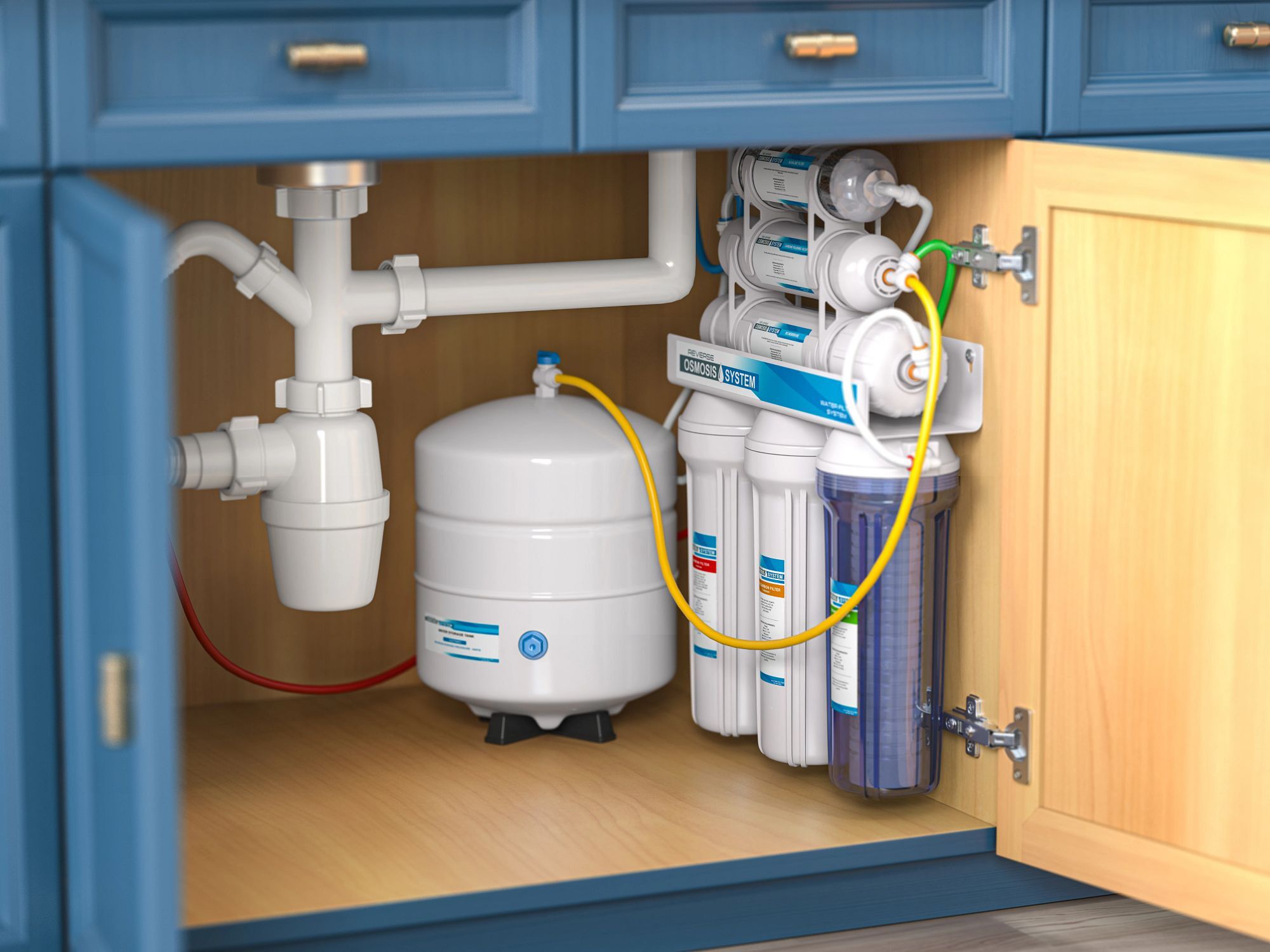
NSF Launches Protocol 549 for Glyphosate Reduction Claims
October 14, 2026P549 is the first standard globally that validates glyphosate reduction performance of water filtration systems and products.
Cambium Analytica, an NSF Company, Opens New Lab in Traverse City, Mich
October 6, 2026Ribbon cutting debuts innovative 15,000-square-foot testing facility to support evolving needs of the food & supplement industries.
NSF Drives Industry Conversations at SupplySide Global 2026 - Las Vegas, Oct. 26–30
September 17, 2026NSF returns to SupplySide Global with expert-led training and trusted certification solutions. Visit Booth 4741 to discover how NSF and Cambium Analytica help brands build trust, increase consumer confidence and stand out in a competitive marketplace.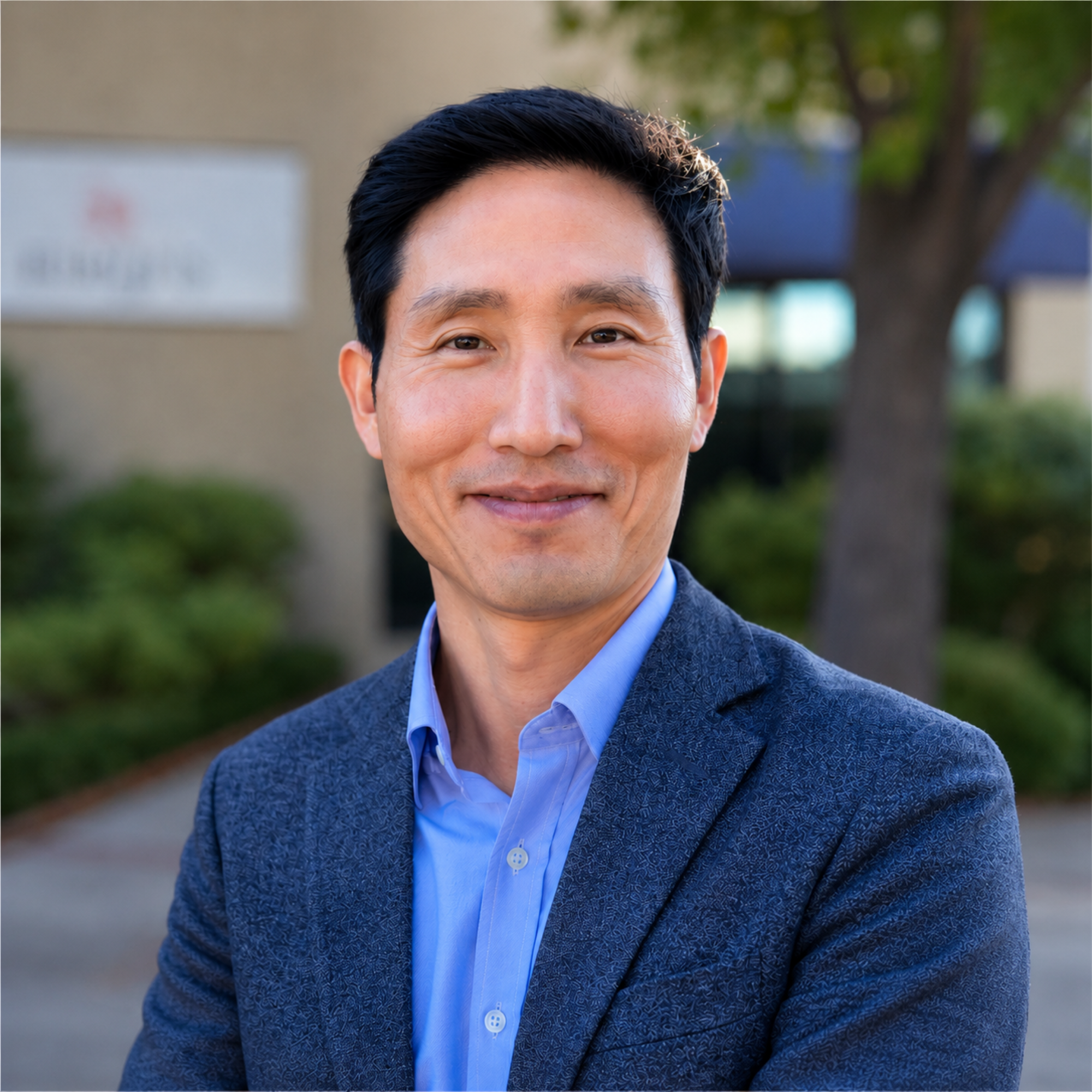
NSF Welcomes Hanjun Kwon, Managing Director, APAC
September 14, 2026Experienced business leader to drive sustainable growth, organizational development and operational excellence across the Asia-Pacific region.