Septic Tank Effluent Filters
Septic tanks are designed to retain solids that accumulate over time. Some of these solids are byproducts of the waste treatment process, while others are materials that may not be capable of being processed, such as human hair. The solids must be retained in the septic tank and not released to the drain field. Excessive discharge of solids to the drain field can cause it to plug and lose efficiency in the treatment process and the dispersal of the effluent. If the problem persists, the drain field may need to be replaced.
Septic tank effluent filters are an inexpensive way of preventing solids from being discharged into the septic field. They are usually installed at the septic tank outlet, where solids that may be discharged from the tank are collected. A filter may not be necessary if the septic tank is maintained correctly, including frequent inspection for solid accumulation and removal.
If you are considering using a septic tank effluent filter, check with your local public health authority to determine their installation and use requirements. Some authorities may require certification to NSF/ANSI 46: Evaluation of Components and Devices Used in Wastewater Treatment Systems.
How NSF Can Help You

What’s New with NSF

NSF Launches Protocol 549 for Glyphosate Reduction Claims
October 14, 2026P549 is the first standard globally that validates glyphosate reduction performance of water filtration systems and products.
Cambium Analytica, an NSF Company, Opens New Lab in Traverse City, Mich
October 6, 2026Ribbon cutting debuts innovative 15,000-square-foot testing facility to support evolving needs of the food & supplement industries.
NSF Drives Industry Conversations at SupplySide Global 2026 - Las Vegas, Oct. 26–30
September 17, 2026NSF returns to SupplySide Global with expert-led training and trusted certification solutions. Visit Booth 4741 to discover how NSF and Cambium Analytica help brands build trust, increase consumer confidence and stand out in a competitive marketplace.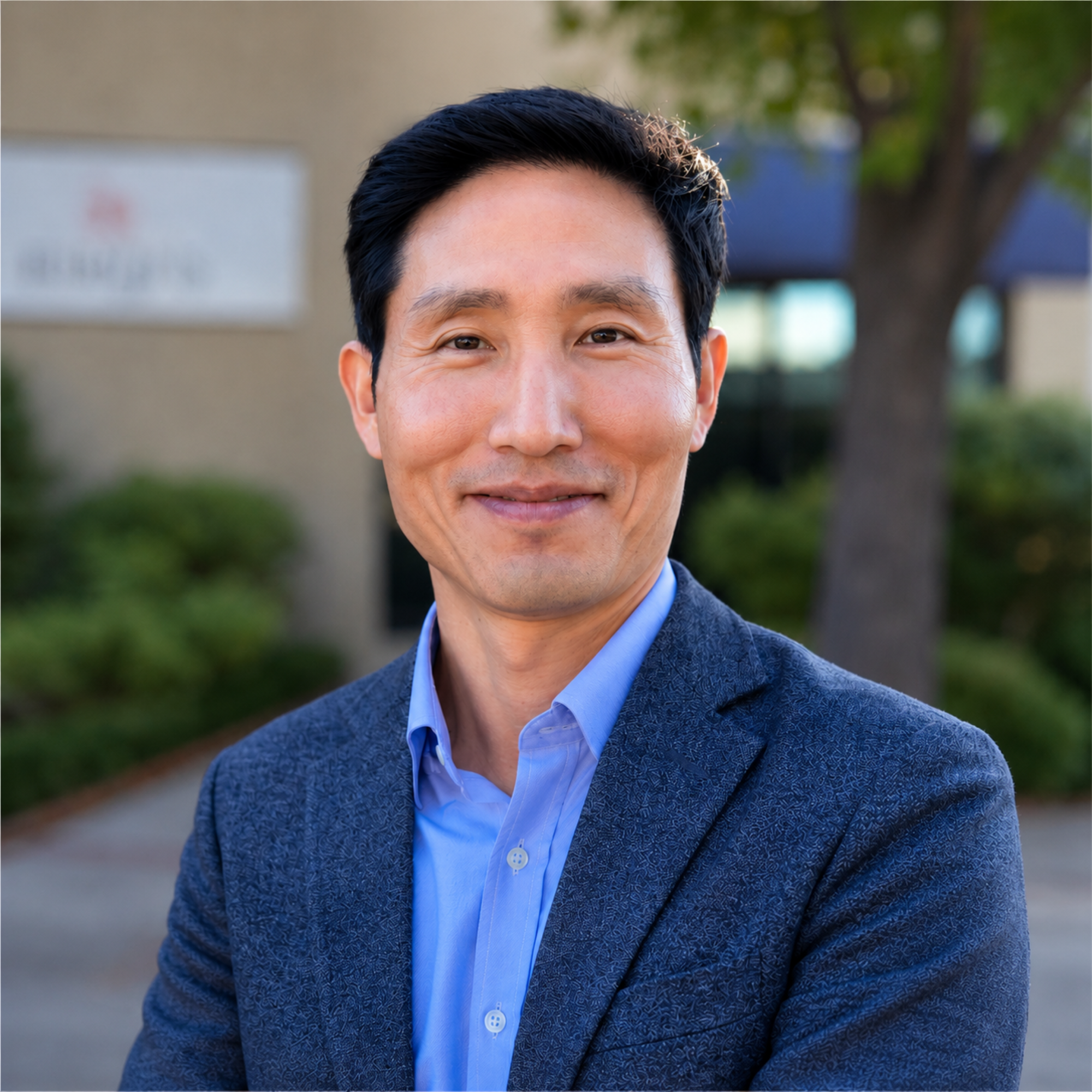
NSF Welcomes Hanjun Kwon, Managing Director, APAC
September 14, 2026Experienced business leader to drive sustainable growth, organizational development and operational excellence across the Asia-Pacific region.