ANSI/UL 197 Readiness Tool

Are you interested in getting your product certified to ANSI/UL 197: Commercial Electric Cooking Appliances? Within the United States, the National Electrical Code requires electrical equipment to be certified by an OSHA-approved NRTL
To make this process easier to understand, we’ve created an ANSI/UL 197 Readiness Tool. The tool asks a series of questions about your product that will give you insight into your potential readiness to enter this certification process with NSF (an OSHA-approved NRTL).
Disclaimer: Please note that the readiness percentage provided is a general estimate for informational purposes only and does not provide a guarantee or grant any type of certification. Your score does not affect future applications. Contact our team at [email protected] with any questions.
Electrical Safety Certification
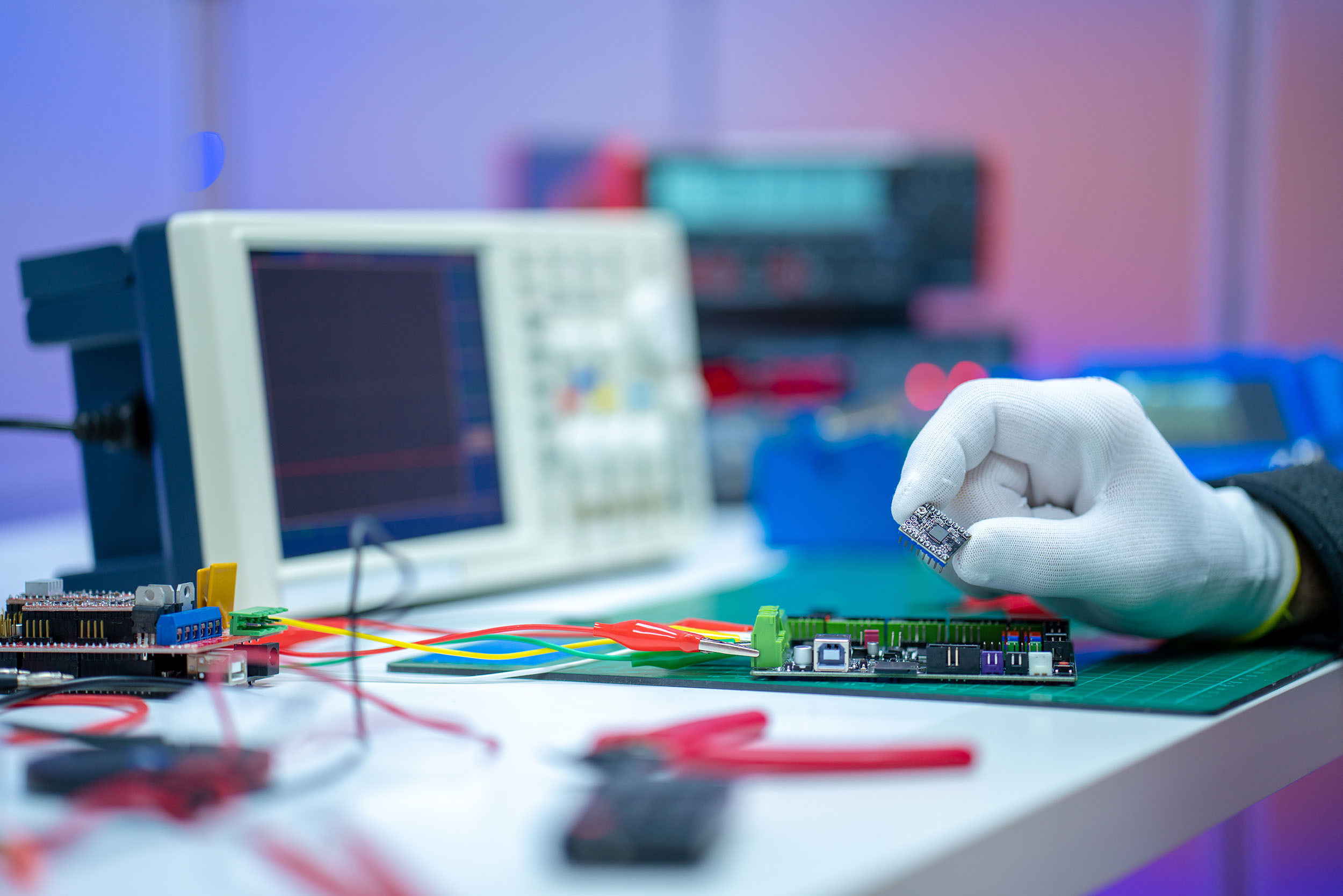
How NSF Can Help You

What’s New with NSF
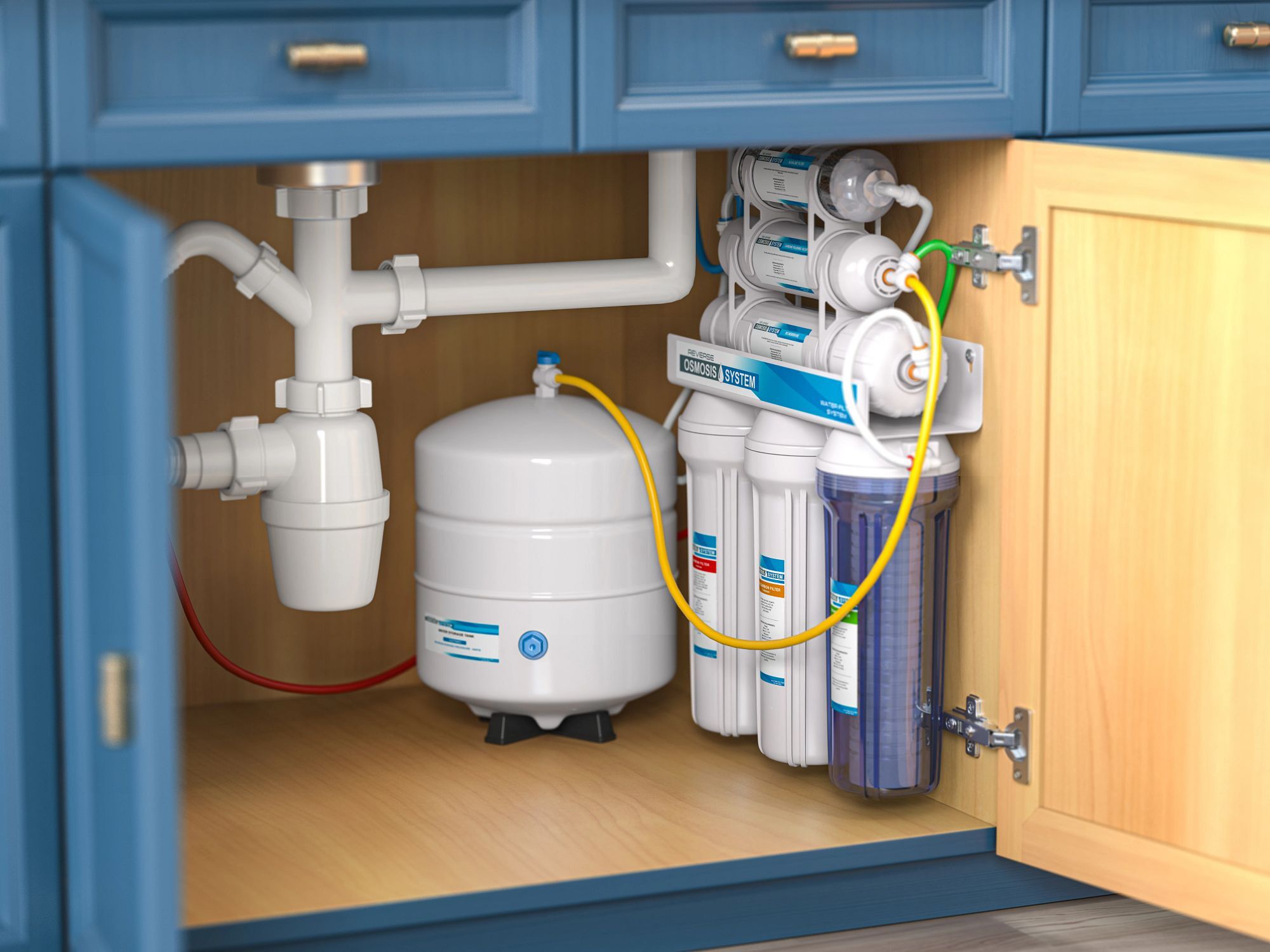
NSF Launches Protocol 549 for Glyphosate Reduction Claims
October 14, 2026P549 is the first standard globally that validates glyphosate reduction performance of water filtration systems and products.
Cambium Analytica, an NSF Company, Opens New Lab in Traverse City, Mich
October 6, 2026Ribbon cutting debuts innovative 15,000-square-foot testing facility to support evolving needs of the food & supplement industries.
NSF Drives Industry Conversations at SupplySide Global 2026 - Las Vegas, Oct. 26–30
September 17, 2026NSF returns to SupplySide Global with expert-led training and trusted certification solutions. Visit Booth 4741 to discover how NSF and Cambium Analytica help brands build trust, increase consumer confidence and stand out in a competitive marketplace.
NSF Welcomes Hanjun Kwon, Managing Director, APAC
September 14, 2026Experienced business leader to drive sustainable growth, organizational development and operational excellence across the Asia-Pacific region.