NSF/ANSI/CAN 60 and FIFRA: Scope Clarifications
NSF/ANSI/CAN 60
Product certification to NSF/ANSI/CAN 60: Drinking Water Treatment Chemicals – Health Effects is required in most U.S. states and Canadian provinces and territories. It serves as an important tool to ensure the safety and suitability of chemicals used in the treatment of public drinking water supplies. This standard includes minimum requirements for the control of potential adverse health effects from chemicals (or associated contaminants within chemicals) added to water through its treatment, storage and distribution.
NSF/ANSI/CAN 60 was developed in 1988 at the request of the U.S. EPA Office of Water by a consortium of water supply stakeholder groups, including the American Water Works Association (AWWA) and the Association of State Drinking Water Administrators (ASDWA).
U.S. EPA FIFRA
FIFRA is the federal regulation that governs the registration, distribution, sale and use of pesticides in the U.S.1 The primary objective of FIFRA is to ensure that, when applied as instructed, pesticides will not generally cause unreasonable risk to human health or the environment. The EPA defines a pesticide as any substance or mixture of substances intended for preventing, destroying, repelling or mitigating any pest or intended for use as a plant regulator, defoliant, desiccant or nitrogen stabilizer.
Pesticide products, such as disinfectants, fall under the scope of FIFRA and require registration by the product manufacturer or distributor. Registration requires the chemical manufacturer to submit all requested applications, use instructions, chemical information and safety data for the pesticide product to the EPA Office of Pesticides. The FIFRA registration program includes chemical label registration and monitoring of other parameters such as warning label information and product efficacy claims.
Important Similarities and Differences
The differences in scope between NSF/ANSI/CAN 60 and FIFRA can be hard to navigate since there are chemicals that fall within the scope of both. What’s important to note is that the requirements of NSF/ANSI/CAN 60 and FIFRA are independent of one another, although both may apply to the same water treatment chemical product. In other words, FIFRA registration is not a requirement or pre-requisite of NSF/ANSI/CAN 60 for any chemical and vice versa.
Location also plays a role. NSF/ANSI/CAN 60 addresses human health effects (exclusively) and is referenced globally as a standard for drinking water treatment chemicals, whereas FIFRA requirements apply only to chemicals used in the U.S. Thus, based on where the chemical supplier is manufacturing, distributing and selling its product, many chemicals are required by drinking water regulations to have both NSF/ANSI/CAN 60 certification and FIFRA registration.
Chemicals that require NSF/ANSI/CAN 60 certification, but not EPA FIFRA registration | Chemicals requiring both NSF/ANSI/CAN 60 certification and EPA FIFRA registration when being used in drinking water | Chemicals requiring EPA FIFRA registration but do not require (and are not covered under the scope of) NSF/ANSI/CAN 60 certification |
|---|---|---|
| Aluminum sulfate (alum)
Polyaluminum chloride (PAC) Sodium carbonate (soda ash) Sodium silicate Calcium oxide (quicklime) | Chlorine
Sodium hypochlorite (bleach) Calcium hypochlorite Copper sulfate | Fungicide chemicals
Herbicide chemicals Insecticide chemicals Rodenticide chemicals Other agricultural pesticide chemicals used to prevent the effectivity of pests on the growth and productivity of crops |
Polyaluminum chloride (PAC)
Sodium carbonate (soda ash)
Sodium silicate
Calcium oxide (quicklime)
Sodium hypochlorite (bleach)
Calcium hypochlorite
Copper sulfate
Herbicide chemicals
Insecticide chemicals
Rodenticide chemicals
Other agricultural pesticide chemicals used to prevent the effectivity of pests on the growth and productivity of crops
Drinking Water Treatment Chemicals Certification
Want More Information?
Sources
1 U.S. EPA, Summary of the Federal Insecticide, Fungicide, and Rodenticide Act, 7 U.S.C. §136 et seq. (1996), available at https://www.epa.gov/laws-regulations/summary-federal-insecticide-fungicide-and-rodenticide-act
How NSF Can Help You
What’s New with NSF
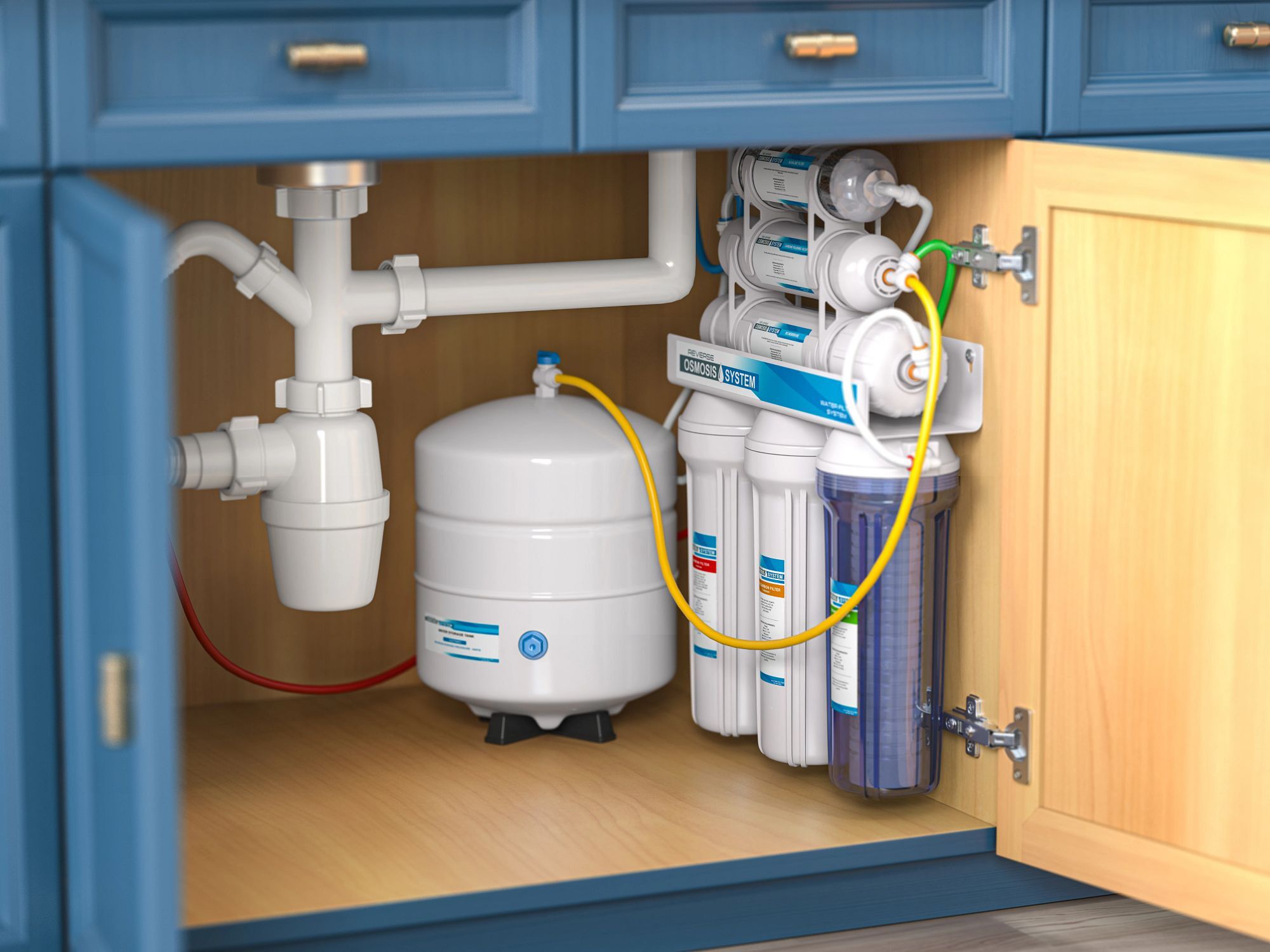
NSF Launches Protocol 549 for Glyphosate Reduction Claims
October 14, 2026P549 is the first standard globally that validates glyphosate reduction performance of water filtration systems and products.
Cambium Analytica, an NSF Company, Opens New Lab in Traverse City, Mich
October 6, 2026Ribbon cutting debuts innovative 15,000-square-foot testing facility to support evolving needs of the food & supplement industries.
NSF Drives Industry Conversations at SupplySide Global 2026 - Las Vegas, Oct. 26–30
September 17, 2026NSF returns to SupplySide Global with expert-led training and trusted certification solutions. Visit Booth 4741 to discover how NSF and Cambium Analytica help brands build trust, increase consumer confidence and stand out in a competitive marketplace.
NSF Welcomes Hanjun Kwon, Managing Director, APAC
September 14, 2026Experienced business leader to drive sustainable growth, organizational development and operational excellence across the Asia-Pacific region.