NSF Offers COVID-19 Guidance for Restaurants as Dining Rooms Continue to Open and Expand

As the temperatures begin to cool down and patios close for the season, countless restaurant owners and managers are looking to reopen their indoor dining rooms. While many restaurant goers are excited to dine in at their favorite spots, some are concerned about the risk of coronavirus.
In addition to masks, sanitation and physical distancing, all businesses that are reopening should focus on the three Cs:
- Closed places: Indoor spaces require different protocols than outdoor spaces, so look at ventilation, flow of people, capacity, etc.
- Crowded spaces: Think of capacity for the particular space and the ability to maintain physical distancing
- Close proximity: Ensure physical distancing between “bubbles” of people and review the flow and movement of people through the space, trying to ensure physical distancing can be maintained
There are specific areas restaurant owners should pay attention to. Touchscreen POS systems, tables and door handles are hot spots for germs. All team members should be trained to clean these frequent touch points immediately after use.
However, the science increasingly indicates that transmission of COVID-19 is usually airborne, so the cleaning of surfaces alone is not enough. Restaurants will require a comprehensive solution that incorporates increased outside air ventilation and behavioral changes, such as social distancing and wearing masks – not just more cleaning.
When restaurants and other businesses stumble during reopening and ongoing operation during the pandemic, it’s usually due to:
- Poor planning: It’s important to have the right program in place from the start. In this unforgiving environment, self-assessments are not enough. An independent verification of COVID-19 preventative measures, like the Checked by NSF™ program, can help restaurant owners build confidence to open and operate with continuity.
- Complacency: As community infection rates dropping can easily lead to a false sense of security, which can promote complacency in following necessary protocols and procedures. It’s imperative that any COVID-19 mitigation program contain rigor and is constantly evolving to reflect the changing nature of the pandemic.
- Lack of systematic approach: What works on day 1 may not work on day 20 or day 200. As the situation evolves, so must the protocols and procedures. To provide the greatest level of protection, restaurant owners must establish new habits and behaviors, which take time and consistency.
How NSF Can Help You

What’s New with NSF
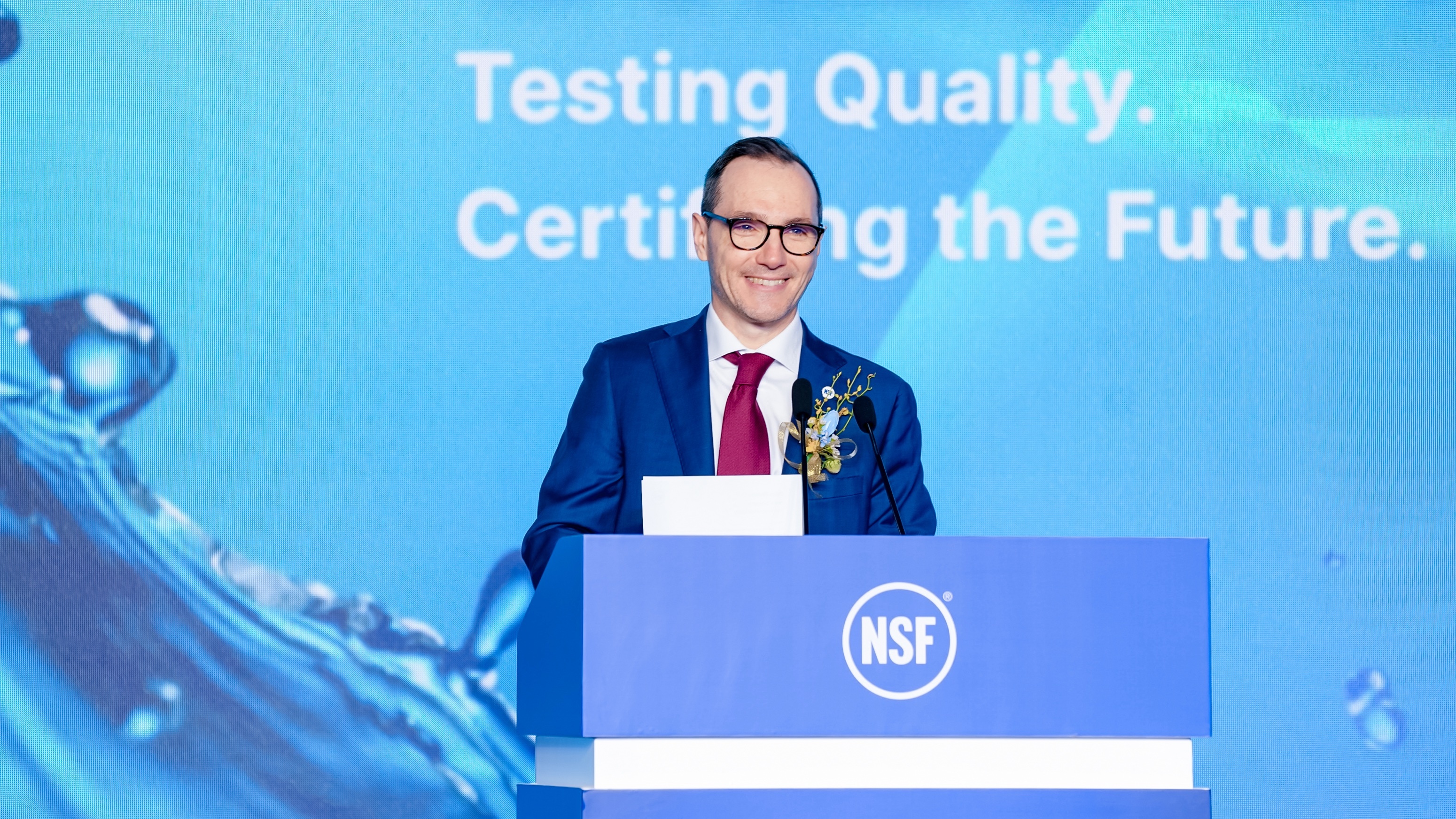
NSF Expands Global Laboratory Network with New Testing Facility in Shanghai
November 19, 2026NSF opens its first in-house drinking water treatment system (DWTS) testing laboratory outside the United States.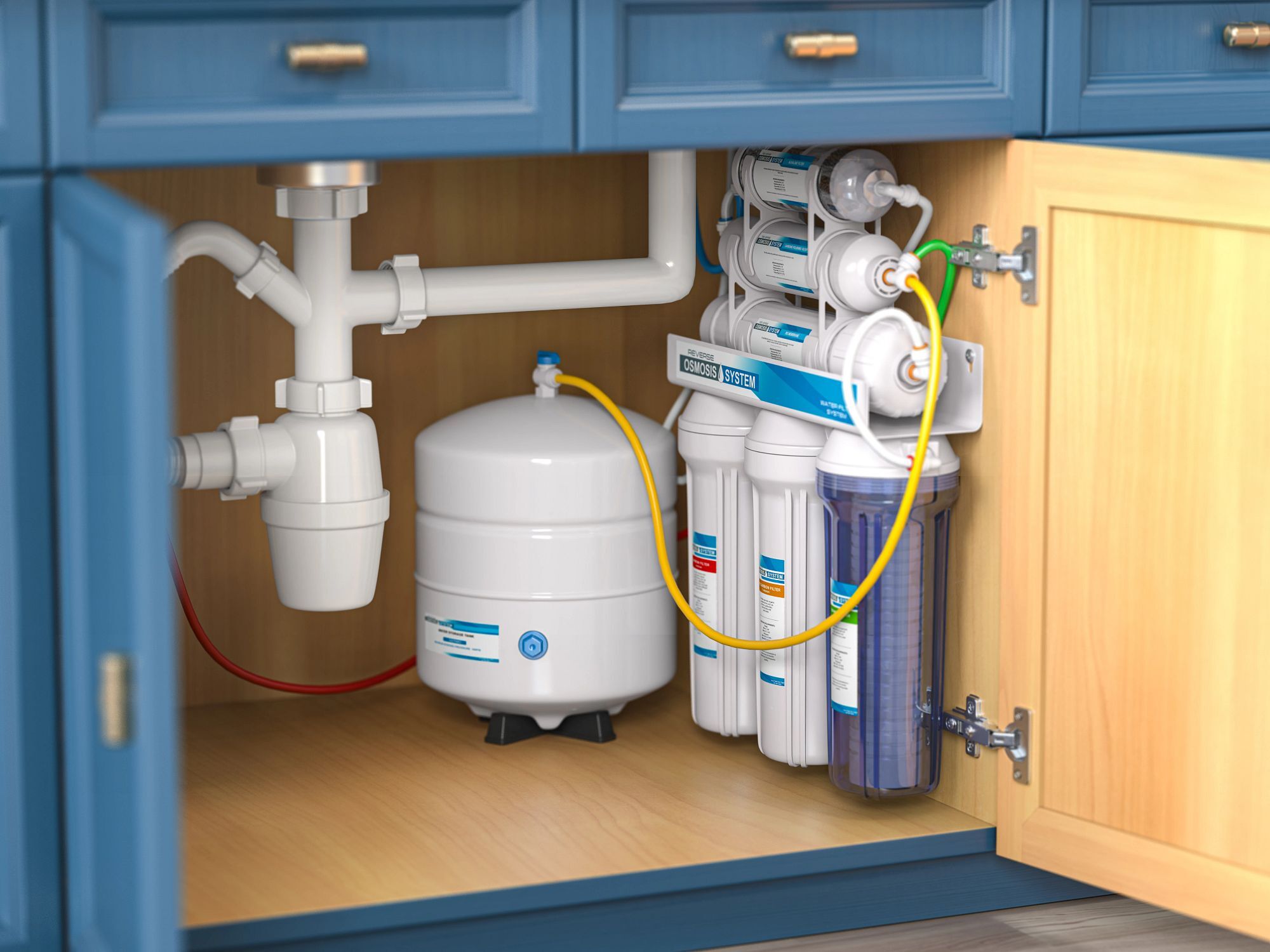
NSF Launches Protocol 549 for Glyphosate Reduction Claims
October 14, 2026P549 is the first standard globally that validates glyphosate reduction performance of water filtration systems and products.
Cambium Analytica, an NSF Company, Opens New Lab in Traverse City, Mich
October 6, 2026Ribbon cutting debuts innovative 15,000-square-foot testing facility to support evolving needs of the food & supplement industries.
NSF Drives Industry Conversations at SupplySide Global 2026 - Las Vegas, Oct. 26–30
September 17, 2026NSF returns to SupplySide Global with expert-led training and trusted certification solutions. Visit Booth 4741 to discover how NSF and Cambium Analytica help brands build trust, increase consumer confidence and stand out in a competitive marketplace.