Your Remote Audit Questions Answered

Virtual audits are taking the place of in-person inspections as the COVID-19 pandemic continues to disrupt standard business practices. Preparing for a virtual audit requires a specific set of skills and expertise.
NSF Vice President Sanjay Shetgar recently hosted a webinar on the issue of remote audits, where we received many questions from attendees. We have compiled the most frequently asked questions and provided answers for them below.
If you would like our assistance in preparing for a remote audit or any other issue within the pharmaceutical sector, contact us by using the form below.
Watch the Remote Audit Webinar
Videos and Privacy Laws in Remote Auditing
Question: Are videos contrary to data protection and privacy laws?
Answer: You are right; that is possibly why the FDA is not issuing a formal closeout as it happens in on-site audits. If the situation persists, then the required amendments in privacy laws could be upgraded to meet the end objective of patient safety.
Will Audit Frequency Increase With Remote Audits?
Question: Do you think regulators expect that audit frequency will need to increase if remote audits are used rather than on-site audits? If so, this suggests they believe the remote audit process is in some way less rigorous.
Answer: In my opinion, remote audits will assess the risk and reduce the number of on-site days. Much of what will happen depends on the trajectory of the pandemic itself. It appears that the FDA is confident that this phase will pass.
Submission of Documents
Question: Is there a different timeline for submission of documents for auditor review with a remote audit?
Answer: The timeline is no different from any other on-site audit. However, I always recommend keeping the inspectors updated when documents are ready and waiting to upload or have already been uploaded.
Extending Timeframes for Remote Audits
Question: With remote audits being new for both the auditors and the hosts, are you seeing more requests for extended audits of facilities?
Answer: You are right; remote auditing is a relatively new issue for everyone. Inspectors typically want to complete the audit within the timeframe given. However, the document request and queries could continue for some time.
Logbooks and Remote Inspections
Question: Do I need to scan all records for the remote inspection (e.g., presiding year logbooks and ongoing logbooks)?
Answer: A logbook is typically not requested. If an inspector does ask for it, it would likely be in response to missing information on an existing batch record. That said, it is an indicator for companies to start moving to automation/digitization where possible.
Connectivity Issues in Remote Audits
Question: We are performing virtual audits but are having difficulties making every area accessible. We’ve experienced network issues and struggled with camera positioning in overseas audits. What would you suggest?
Answer: This is a common challenge for companies. You could consider improving connectivity with wifi extenders. It might also be worth carrying out risk analysis and recording the operation or steps not visible separately. These recordings could then be provided to the inspector upfront.
Ready to Begin the Process?
Resources


News

NSF Health Sciences Podcasts – Access Expert Content On-the-Go
October 22, 2020Access a wealth of free podcasts and webinar recordings from our pharma and medical devices experts to help you make better business decisions and stay up to date with the latest industry trends. These podcasts include interviews, Q&A sessions, consolidated white papers, webinars and more. These short podcasts are perfect for when you’re on the road or need information quickly. Our experts in the pharma and medical device industry cover topics like: Drug shortages and the impact on global health careCommunication methods that create stability and direction while being authentic and trustworthyMaintaining the product disposition process underpinning the supply chainData integrityCheck back for our latest podcast and follow NSF Health Sciences on Spotify and Apple Podcasts to stay in the know!
NSF Honors Scientific Leaders and Innovators in the Fight Against COVID-19
February 11, 2021Digital campaign recognizes individuals and businesses making public health a top priority for 2021.
NSF Launches Pharma Biotech eLearning
April 16, 2018NSF provides a comprehensive range of support services for the pharmaceutical industry covering consulting, training, auditing, remediation, quality systems and regulatory guidance on a global basis. NSF has expanded its training offer and now provides pharma biotech eLearning. NSF’s new pharma biotech eLearning includes short, targeted, highly focused “how to” sessions on common industry themes as well as introductions and overviews on topics essential for those new to the industry. Learn from NSF’s trusted industry experts and take away tools and techniques that can be used instantly in the workplace. NSF’s eLearning allows you or your organization to train many employees economically, helping to deliver a consistent message without time constraints. It is ideal for: Employees new to the pharmaceutical industry Operational, analytical and laboratory-based staff who are unable to leave their place of work for long periods of time Experienced industry professionals who are looking for continuing professional development Learn at your own pace at a time convenient you. The first eLearning training sessions include: GMP for Engineers This session is ideal for engineering technicians and contract and technical support staff who need to be aware of how their actions may create or contribute to GMP non-compliances, which may affect product quality. Exercises and case studies help participants recognize how much interaction they have with GMP compliant processes/systems, how to mitigate risks associated with each interaction they have with validated/qualified systems and their key role in maintaining compliant processes within the bigger team. Microbiology - The Basics This session is ideal for staff in operational and support areas – production, engineering, QC, QA, validation and technical, as well as those new to the pharmaceutical industry and/or microbiology. We cover the real meaning of microbiology in operations and why it matters. You’ll learn the risks associated with microbes and how to eliminate or control them so that the patient is protected. You will be able to apply your knowledge from this session in your daily work. Self-Inspections – How to Make Them Add Value to Your Organization Why do you conduct self-inspections and why are they important to your organization? This session provides an overview of the key elements in each stage of the self-inspection process, outlining where it fits into the overall audit pyramid. Learn how to make your self-inspection program world-class. Once you have completed your training, the team at NSF provides additional support and guidance for any specific questions. How to Sign Up Register online for any of the sessions through our online learning portal. Have a question about our eLearning? Please contact us at [email protected]. Visit our eLearning web page for any more information.
How NSF Can Help You

What’s New with NSF
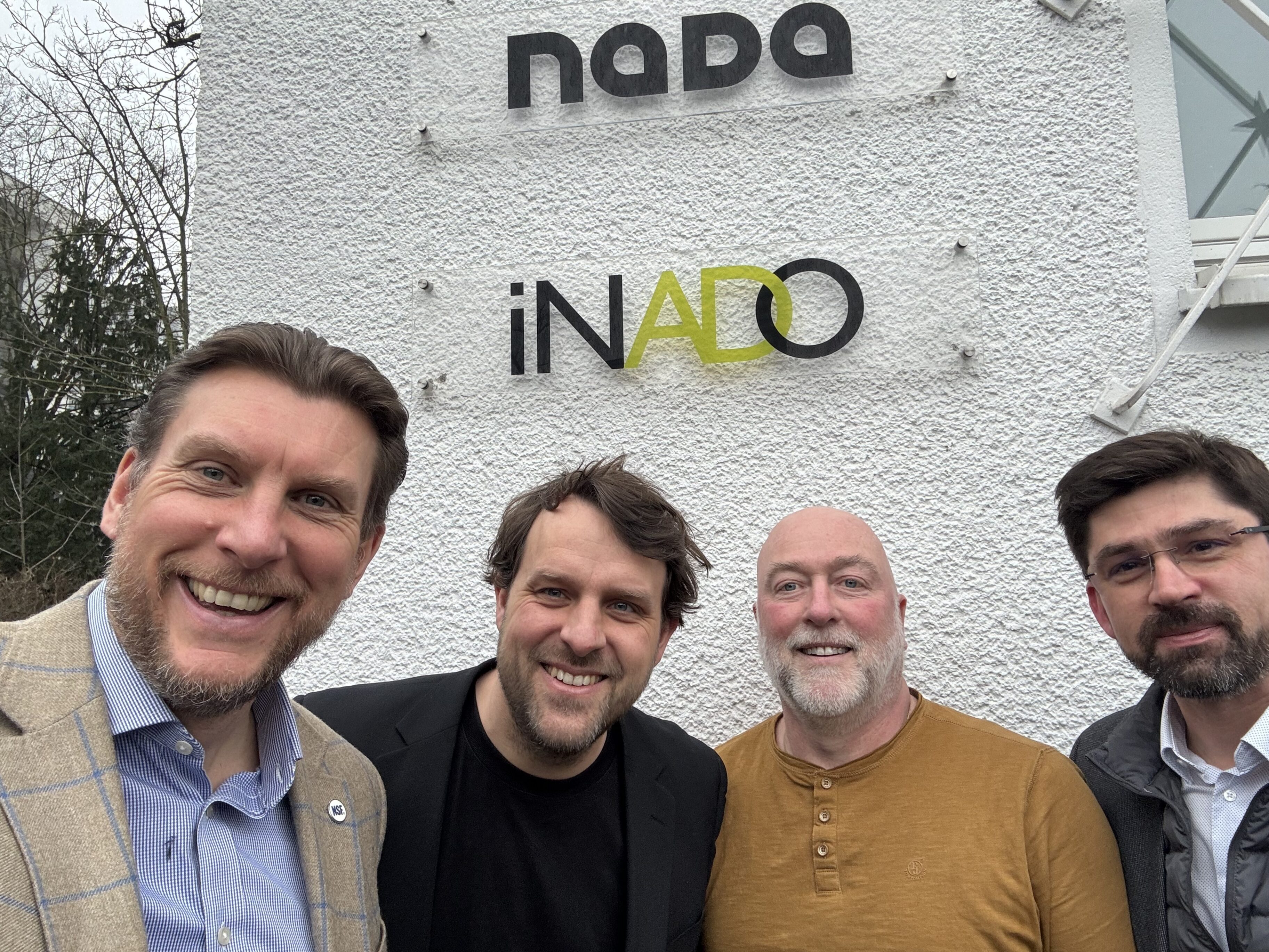
iNADO Partners with NSF to Support Members and Athletes
May 27, 2026iNADO is pleased to welcome NSF’s expertise and experience in support of its members and the athletes they serveNSF Ends UK’s Three-Year Testing Gap with REG 31 Testing Designation
May 20, 2026NSF’s Oakdale laboratory becomes the UK’s sole facility offering comprehensive BS 6920 and REG 31 testing, closing a critical drinking water safety gap.
Tangent® Materials Announces Industry First: Tangent PolySheet™ CB Earns Certification to NSF 537, Becoming the First PFAS-Free NSF Standard 51 Food Equipment Material
May 20, 2026New food-grade synthetic cutting-board sheet, engineered from the ground up without per- and polyfluoroalkyl substances (PFAS), establishes a new materialsafety benchmark for food-contact and food-equipment applications.
NSF Expands Food Equipment Portfolio with Electrical Safety Testing and Certification
April 30, 2026Manufacturers now have a “one-stop-shop” for both sanitation and electrical safety certification, enabling market expansion and regulatory compliance.