Drinking Water Treatment Units Must Now Meet Stricter Requirements for Lead Reduction Certification

ANN ARBOR, Mich. – The joint committee governing the American National Standards for drinking water treatment units recently lowered the maximum allowable concentration of lead in treated drinking water to 5 parts per billion.
Standards 53 and 58 now require drinking water treatment units to reduce the lead in drinking water to 5 ppb or less—a 50% drop from the previous 10 ppb—and a threshold that matches Health Canada’s new maximum allowable concentration level of 5 ppb.
The new lead pass/fail criteria of 5 ppb has been published for NSF/ANSI 53: Drinking Water Treatment Units - Health Effects and NSF/ANSI 58: Reverse Osmosis Drinking Water Treatment Systems. Previously, a water treatment system could be certified if it reduced lead to 10 ppb or lower and met other requirements set by the standard, such as material safety and structural integrity. These other requirements remain unchanged.
Updates to both standards were published in December and are effective immediately for any new filter or filtration device claiming to reduce lead.
To be certified by NSF, drinking water filters and treatment devices are tested with challenge water containing 150 ppb lead, 10 times the U.S. Environmental Protection agency’s action level of 15 ppb.
In March 2019, Health Canada lowered the national regulatory maximum allowable concentration of lead in drinking water from 10 ppb to 5 ppb. The European Union has also proposed a revision to its Drinking Water Directive to lower lead concentrations to 5 ppb.
The World Health Organization and other public health organizations have concluded there is no safe level of lead, and that even low concentrations can cause adverse health effects, especially for infants and children.
The primary source of lead in drinking water is from use of lead pipe or lead-containing alloys in supply lines and premise plumbing, fixtures, fittings and solder. Given this widespread use, the cost of replacement and repair with non-lead contaminating materials can be cost prohibitive.
“Lead contamination of drinking water remains a critical issue, and regulations continue to be put into action to reduce the allowable level of lead in drinking water. Establishing this new pass/fail criteria of 5 ppb for NSF/ANSI 53 and NSF/ANSI 58 will further limit health risks associated with lead ingestion and provide an additional measure of public health protection,” said Jessica Evans, Director of Standards Development at NSF.
Residential water treatment industry products have demonstrated the ability to reduce lead concentrations to a level at or below 5 ppb when tested by NSF in accordance with standard protocols.
NSF/ANSI 53 and NSF/ANSI 58 and their updates are developed following the American National Standards Institute (ANSI) process designed to ensure openness, balance, consensus and due process for all stakeholders. The Drinking Water Treatment Units Joint Committee is comprised of stakeholders representing consumers, the water industry, and state and federal health and environmental agencies in the U.S. and Canada. The joint committee includes 28 voting members and 80 observers who offer input and expertise during the standard development process and is facilitated by NSF’s standards development group.
As the final step in the standards development process, the standard is ratified by NSF’s Council of Public Health Consultants, which includes representatives from the U.S. EPA, Health Canada and the U.S. Centers for Disease Control and Prevention (CDC).
To schedule an interview with an NSF expert on standards development or drinking water filtration, contact Fran LeFort at [email protected] or +1.734.773.4253.
How NSF Can Help You

What’s New with NSF

NSF Drives Industry Conversations at SupplySide Global 2026 - Las Vegas, Oct. 26–30
September 17, 2026NSF returns to SupplySide Global with expert-led training and trusted certification solutions. Visit Booth 4741 to discover how NSF and Cambium Analytica help brands build trust, increase consumer confidence and stand out in a competitive marketplace.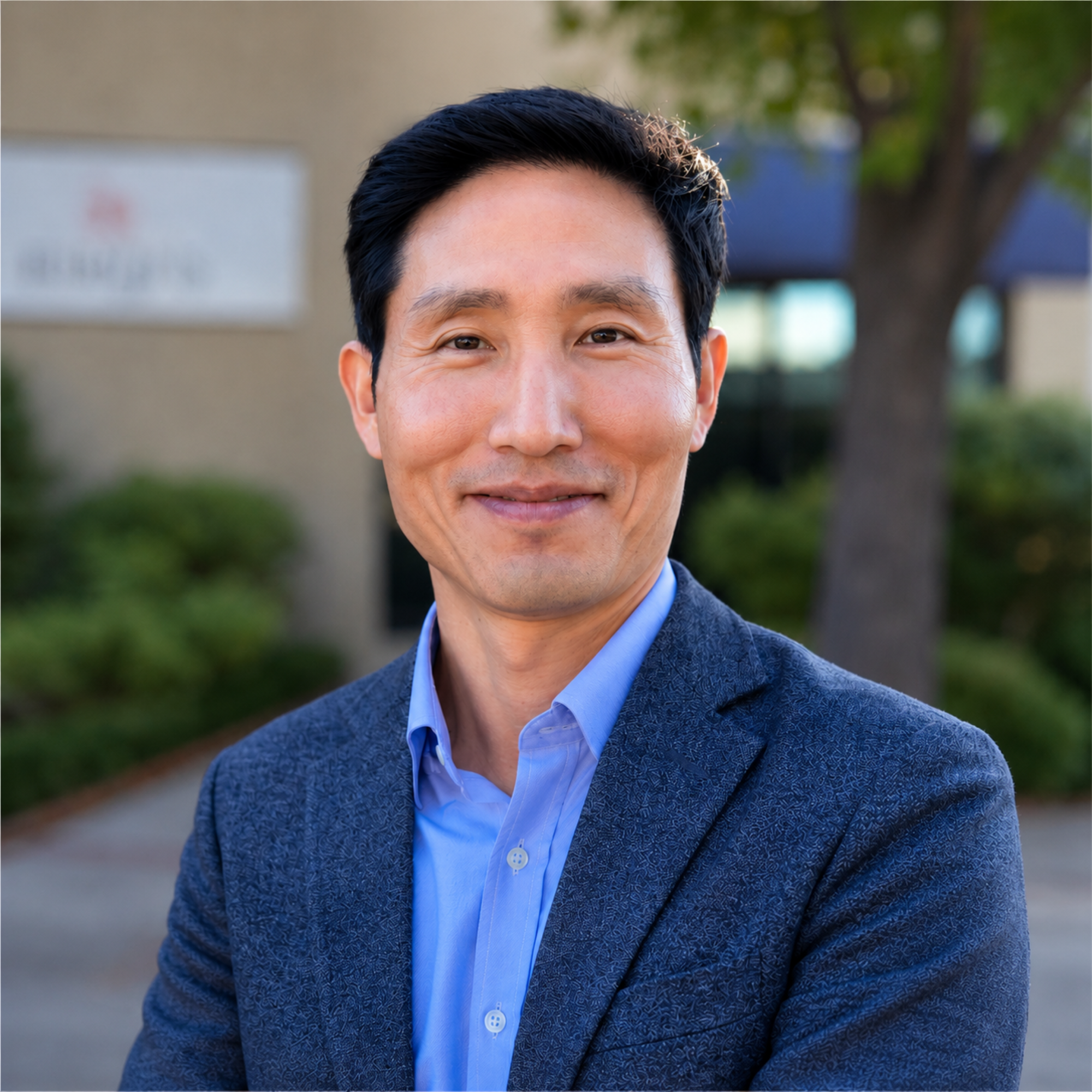
NSF Welcomes Hanjun Kwon, Managing Director, APAC
September 14, 2026Experienced business leader to drive sustainable growth, organizational development and operational excellence across the Asia-Pacific region.
NSF to Exhibit and Present at PACK EXPO International
September 11, 2026NSF is proud to be part of PACK EXPO International 2026, the premier event bringing together packaging and processing leaders from across industries.
Information Systems Security Association (ISSA) Welcomes NSF’s Brian Schultz into the 2026 Hall of Fame
September 10, 2026Lifetime achievement recognition honors exceptional leadership and lasting contributions to the cybersecurity profession.