NSF-ISR Provides QMS Insights Through Webinars
NSF International Strategic Registrations (NSF-ISR) has produced a series of downloadable webinars that break down ISO-based quality management systems (QMS). You will gain a better understanding of the standards, contract requirements, implementation techniques and common pitfalls of QMS.
Examples of “best practices” for demonstrating conformance and continual performance improvement are shared in a session called Management Review. Determining the right key performance indicators (KPIs) is the topic of Measuring Process Effectiveness Through KPI Selection.
In the Competence (7.2) webinar, you will learn how to identify key traits that ensure competency requirements are being met. The risk management issues that aerospace companies face every day are the focus of Risk-Based Thinking for the AS91XX Organization. And in Preservation, NSF-ISR experts show how the success of a QMS can be sustained.
In addition to interpreting QMS principles, these webinars are designed to encourage effective practices that affect decision-making, customer satisfaction and profitability.
Share this Article
How NSF Can Help You

What’s New with NSF

NSF Issues First-Ever MSC Certification for an Eel Fishery to Perupez S.A.C. and Sakana del Peru
June 19, 2026Third-party certification plays a key role in independently verifying the sustainability of seafood operations.
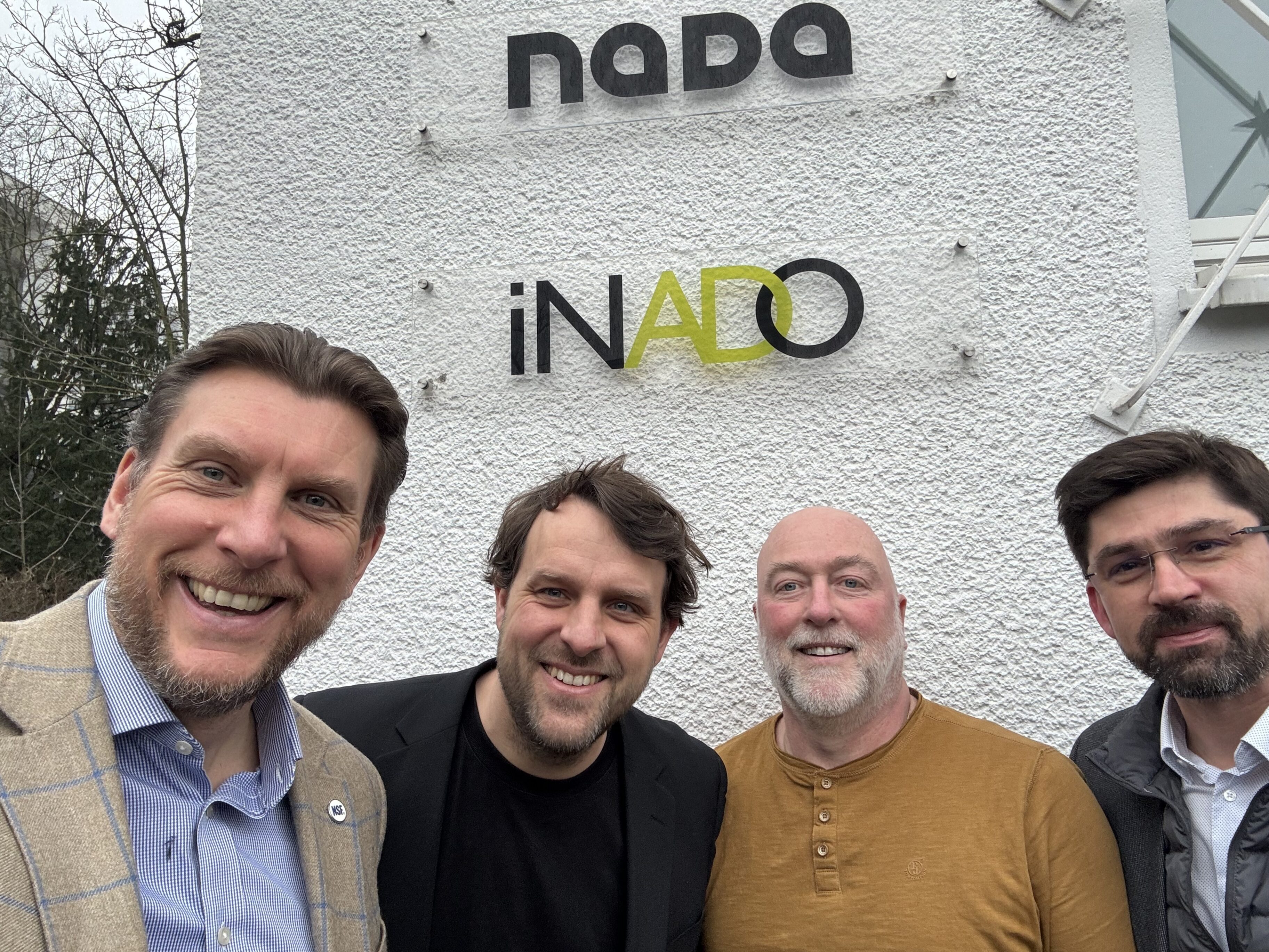
iNADO Partners with NSF to Support Members and Athletes
May 27, 2026iNADO is pleased to welcome NSF’s expertise and experience in support of its members and the athletes they serve
NSF Ends UK’s Three-Year Testing Gap with REG 31 Testing Designation
May 20, 2026NSF’s Oakdale laboratory becomes the UK’s sole facility offering comprehensive BS 6920 and REG 31 testing, closing a critical drinking water safety gap.