U.S. Drinking Water Products Standards Published as National Standards of Canada
ANN ARBOR, Mich. – The American National Standards for health effects of drinking water treatment chemicals (NSF/ANSI 60) and plumbing system components (NSF/ANSI 61) have been updated for the Canadian market and published as National Standards of Canada. The standards initially published in 1988 have been renamed NSF/ANSI/CAN 60: 2018 Drinking Water Treatment Chemicals - Health Effects and NSF/ANSI/CAN 61: 2018 Drinking Water System Components - Health Effects.
NSF, a global public health organization accredited by both the American National Standards Institute (ANSI-Accredited Product Certification Body – Accreditation #0216) and the Standards Council of Canada (SCC), facilitated development of the voluntary, consensus standards by a balanced committee of stakeholders representing both U.S. and Canadian public health officials, regulators, industry, product certifiers and various user groups.
While the standards were only recently designated as National Standards of Canada, the previously published versions have been widely recognized in Canada for years, where nine of 13 provinces/territories in Canada currently require drinking water treatment chemicals to comply with the requirements of NSF/ANSI 60. Eleven of 13 provinces/territories require drinking water system components to comply with the requirements of NSF/ANSI 61.
“These standards have been in use in the United States and parts of Canada as NSF/ANSI standards since 1988, and they have been instrumental in helping to reduce drinking water contaminants at the consumer’s tap,” said Jessica Evans, Director of Standards at NSF.
In addition, NSF published a companion standard, NSF/ANSI/CAN 600: 2018 Health Effects Evaluation and Criteria for Chemicals in Drinking Water, which defines the toxicology review procedures for evaluating specific chemicals or contaminants in drinking water resulting from use of treatment chemicals and water distribution system components. The standard evaluates the potential human health risk of contaminants that may be imparted into drinking water under anticipated use conditions.
“The health risk assessment information in NSF/ANSI/CAN 600 was previously available as Annex A of standards 60 and 61,” Evans said. “By publishing it as a companion standard, we expect there will be an increase in the availability of toxicology data.” Anyone obtaining a copy of NSF/ANSI/CAN 60 or NSF/ANSI/CAN 61 will also receive a complimentary copy of NSF/ANSI/CAN 600.
These drinking water product standards were originally developed at the request of the U.S. Environmental Protection Agency (EPA) in 1985 and first published in 1988 as part of the larger U.S. Safe Drinking Water Act effort. Compliance with NSF standards 60 and 61 is required in the regulations of 48 of the 50 U.S. states.
For more information about NSF’s standard development processes, please visit NSF Standards. For media inquiries, please contact [email protected] or call +1.734.214.6242.
About NSF
In 2019, NSF is celebrating 75 years of protecting and improving human health. The global public health organization facilitates standards development, and tests and certifies products for the food, water, health sciences and consumer goods industries to minimize adverse health effects and protect the environment. Founded in 1944, NSF is committed to protecting human health and safety worldwide. With operations in more than 175 countries, NSF is a Pan American Health Organization/World Health Organization (WHO) Collaborating Center on Food Safety, Water Quality and Indoor Environment.
About Standards Council of Canada
A National Standard of Canada is a standard developed by a Standards Council of Canada (SCC)-accredited standards development organization, in compliance with requirements and guidance set out by the SCC. SCC is a Crown corporation within the portfolio of Innovation, Science and Economic Development (ISED) Canada. With the goal of enhancing Canada’s economic competitiveness and social well-being, SCC leads and facilitates the development and use of national and international standards. SCC also coordinates Canadian participation in standards development and identifies strategies to advance Canadian standardization efforts. Accreditation services are provided by SCC to various customers, including product certifiers, testing laboratories, and standards development organizations. More information about the National Standard of Canada and a list of SCC programs and accredited bodies may be found at www.scc.ca.
How NSF Can Help You

What’s New with NSF
NSF Expands Global Laboratory Network with New Testing Facility in Shanghai
November 19, 2026NSF opens its first in-house drinking water treatment system (DWTS) testing laboratory outside the United States.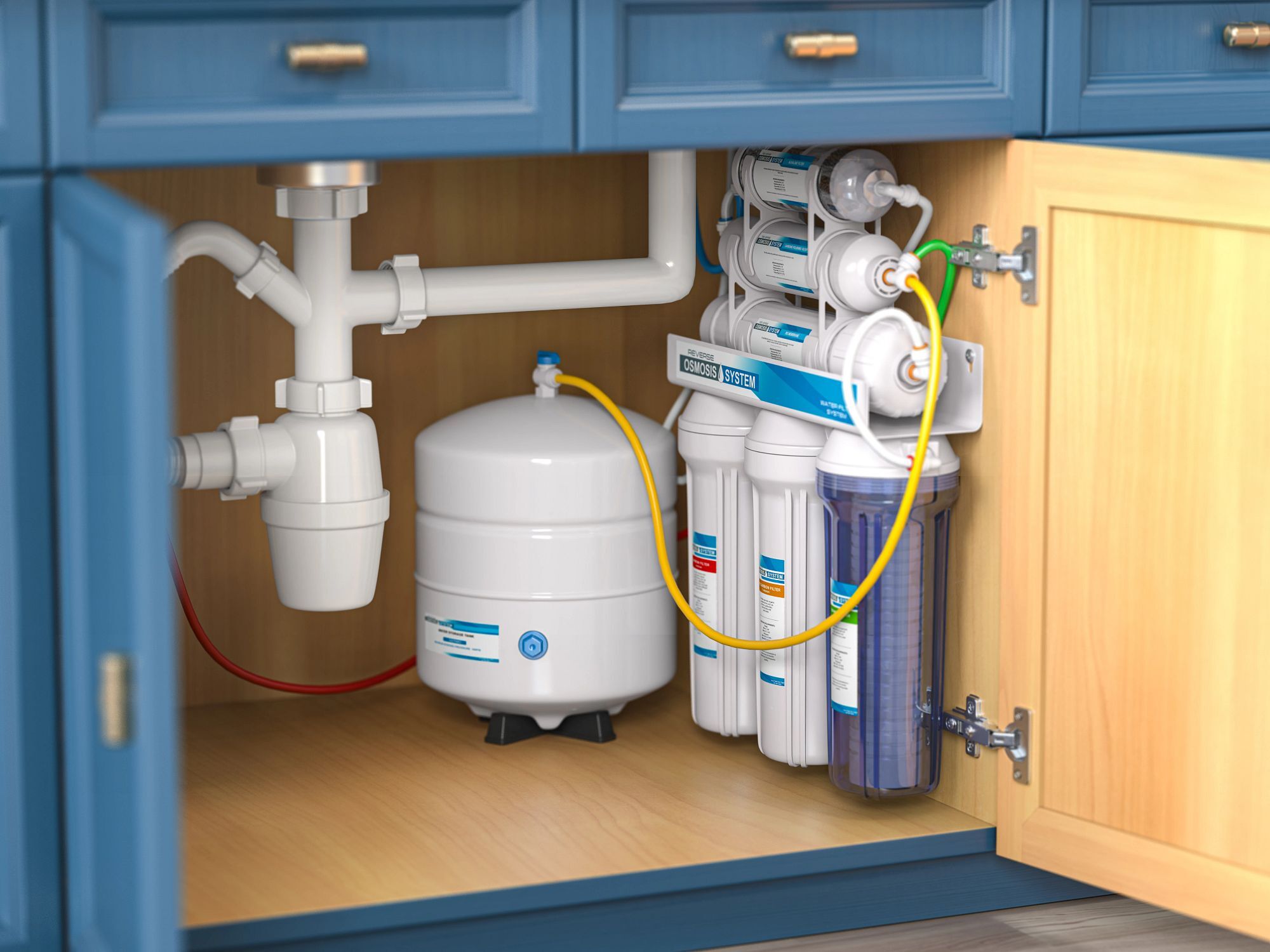
NSF Launches Protocol 549 for Glyphosate Reduction Claims
October 14, 2026P549 is the first standard globally that validates glyphosate reduction performance of water filtration systems and products.
Cambium Analytica, an NSF Company, Opens New Lab in Traverse City, Mich
October 6, 2026Ribbon cutting debuts innovative 15,000-square-foot testing facility to support evolving needs of the food & supplement industries.
NSF Drives Industry Conversations at SupplySide Global 2026 - Las Vegas, Oct. 26–30
September 17, 2026NSF returns to SupplySide Global with expert-led training and trusted certification solutions. Visit Booth 4741 to discover how NSF and Cambium Analytica help brands build trust, increase consumer confidence and stand out in a competitive marketplace.