Germiest Items in the Home
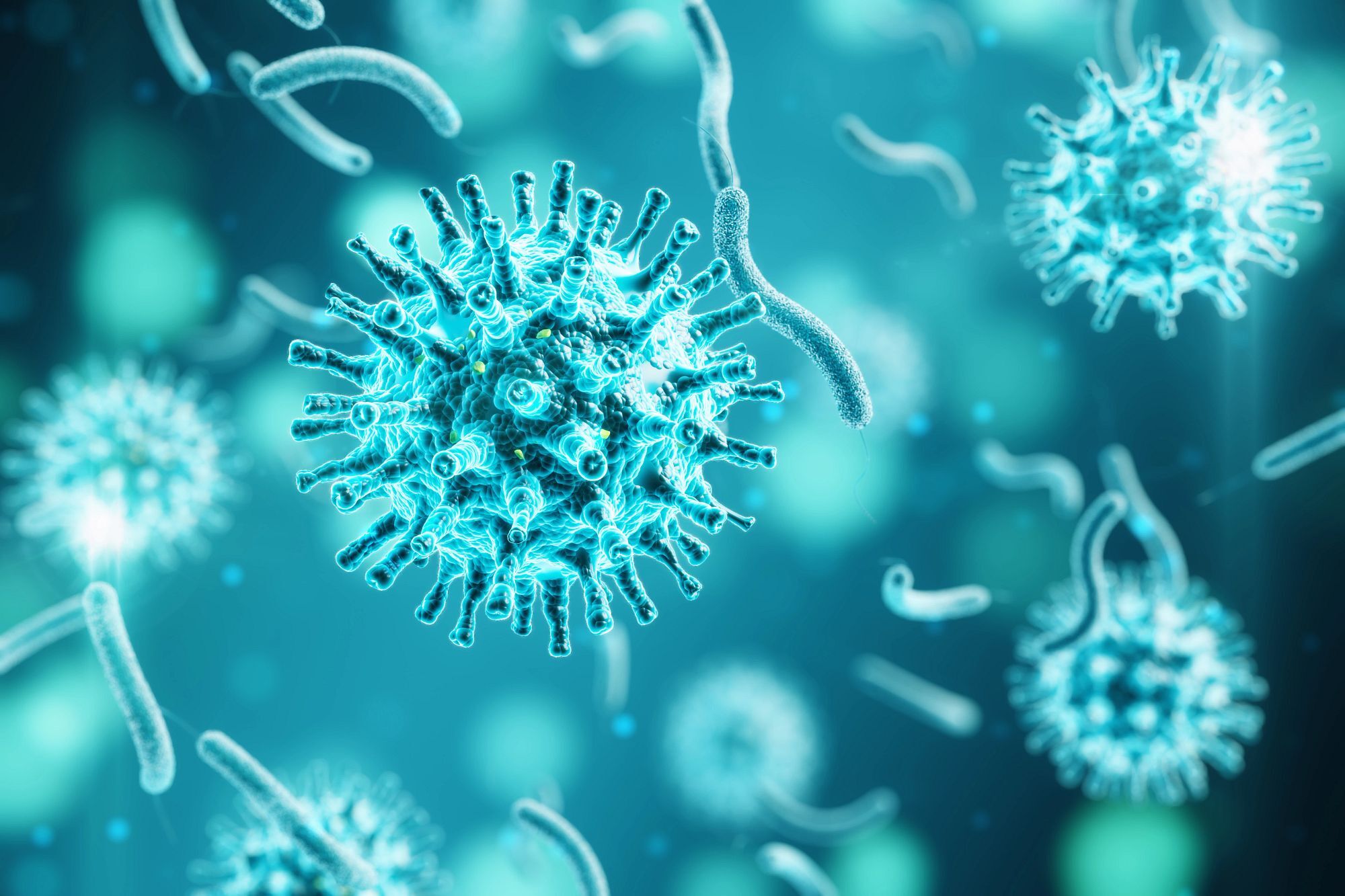
In 2011, NSF carried out a “Germiest Places in the Home” study, during which microbiologists asked 22 families to swab 30 everyday household surfaces—from kitchen counters and cell phones to pet items—to assess contamination levels of yeast, mold, and coliform bacteria, a group that includes Salmonella and E. coli.
Before any testing began, volunteers were first asked to identify which household items they believed would be the dirtiest. The results revealed widespread misconceptions about where germs are most concentrated in the home.
One of the biggest surprises from the study was that while many participants assumed the bathroom was the germiest area, the kitchen actually contained the highest levels of contamination. NSF swabbed for coliform bacteria—a family of bacteria that includes Salmonella and E. coli and indicates potential fecal contamination—and found coliform present on:
- More than 75% of dish sponges/rags.
- 45% of kitchen sinks.
- 32% of counter tops.
- 18% of cutting boards.
By comparison, in the bathroom, the highest coliform levels were found on:
- 27% of toothbrush holders.
- 9% of bathroom faucet handles.
Overall, the study showed that areas where food is prepared contained significantly more bacteria and fecal contamination than many other places in the home. [nsf.org]
Best Breeding Environment for Germs
Warm, moist environments are ideal for bacterial growth. NSF’s analysis found that items like sponges and coffee reservoirs, which often aren’t cleaned thoroughly or frequently, ranked among the top 10 germiest household items. In contrast, smooth, cold surfaces—such as keys, money, computer keyboards, and game controllers—tended to harbor far fewer germs.
How NSF Can Help You

What’s New with NSF
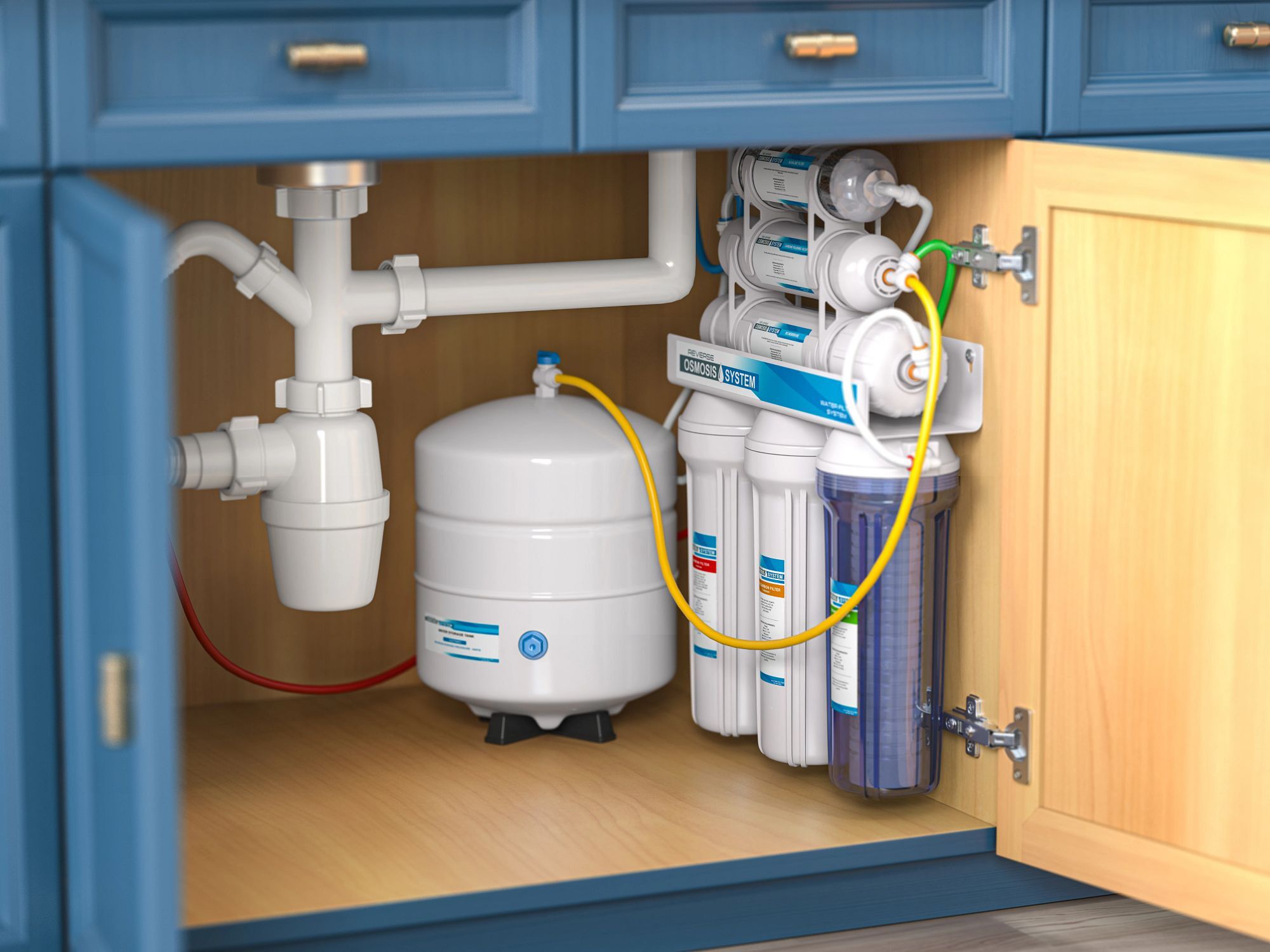
NSF Launches Protocol 549 for Glyphosate Reduction Claims
October 14, 2026P549 is the first standard globally that validates glyphosate reduction performance of water filtration systems and products.
Cambium Analytica, an NSF Company, Opens New Lab in Traverse City, Mich
October 6, 2026Ribbon cutting debuts innovative 15,000-square-foot testing facility to support evolving needs of the food & supplement industries.
NSF Drives Industry Conversations at SupplySide Global 2026 - Las Vegas, Oct. 26–30
September 17, 2026NSF returns to SupplySide Global with expert-led training and trusted certification solutions. Visit Booth 4741 to discover how NSF and Cambium Analytica help brands build trust, increase consumer confidence and stand out in a competitive marketplace.
NSF Welcomes Hanjun Kwon, Managing Director, APAC
September 14, 2026Experienced business leader to drive sustainable growth, organizational development and operational excellence across the Asia-Pacific region.