Germiest Places at Schools
According to the Centers for Disease Control and Prevention, 22 million sick days are taken each year due to the common cold alone. With even more serious concerns over influenza, the microbiologists at NSF wanted to conduct an experiment to find out where germs were most commonly found in local schools.
Two Michigan elementary schools were selected to take part in this experiment. A range of bacterial samples was taken from a variety of surfaces that kids come in contact with every day at school. The goal of this experiment was to determine what educators and school cleaning crews need to be on the lookout for when protecting kids from germs. The following table summarizes the surfaces on which the most germs were found:
| Sample Location | (Colony Forming Units / in sq) |
|---|---|
| Water Fountain Spigot (classroom) | 2,700,000 CFU/in sq |
| Water Fountain Spigot (cafeteria) | 62,000 CFU/in sq |
| Plastic Reusable Cafeteria Tray | 33,800 CFU/in sq |
| Faucet (cold water handle) | 32,000 CFU/in sq |
| Faucet (hot water handle) | 18,000 CFU/in sq |
| Cafeteria Plate | 15,800 CFU/in sq |
| Keyboard (classroom) | 3,300 CFU/in sq |
| Toilet Seat | 3,200 CFU/in sq |
| Student's Hand | 1,200 CFU/in sq |
| Animal Cage | 1,200 CFU/in sq |
Surprisingly, the study revealed that there were actually more germs found on an average classroom water fountain spigot than there were on a toilet seat. Although these findings are a snapshot in time at these particular schools, the results reveal that we need to be vigilant about sanitizing hard-to-reach areas in schools as well as those surfaces that people may forget to regularly clean and sanitize.
Importance of Handwashing
Since bacteria and viruses can live for more than two days on many surfaces, it’s important to protect yourself. And the best way is through proper and frequent handwashing. Proper handwashing involves thorough scrubbing of hands under warm water with soap for a full 20 seconds before rinsing and drying with a clean towel.
How NSF Can Help You

What’s New with NSF
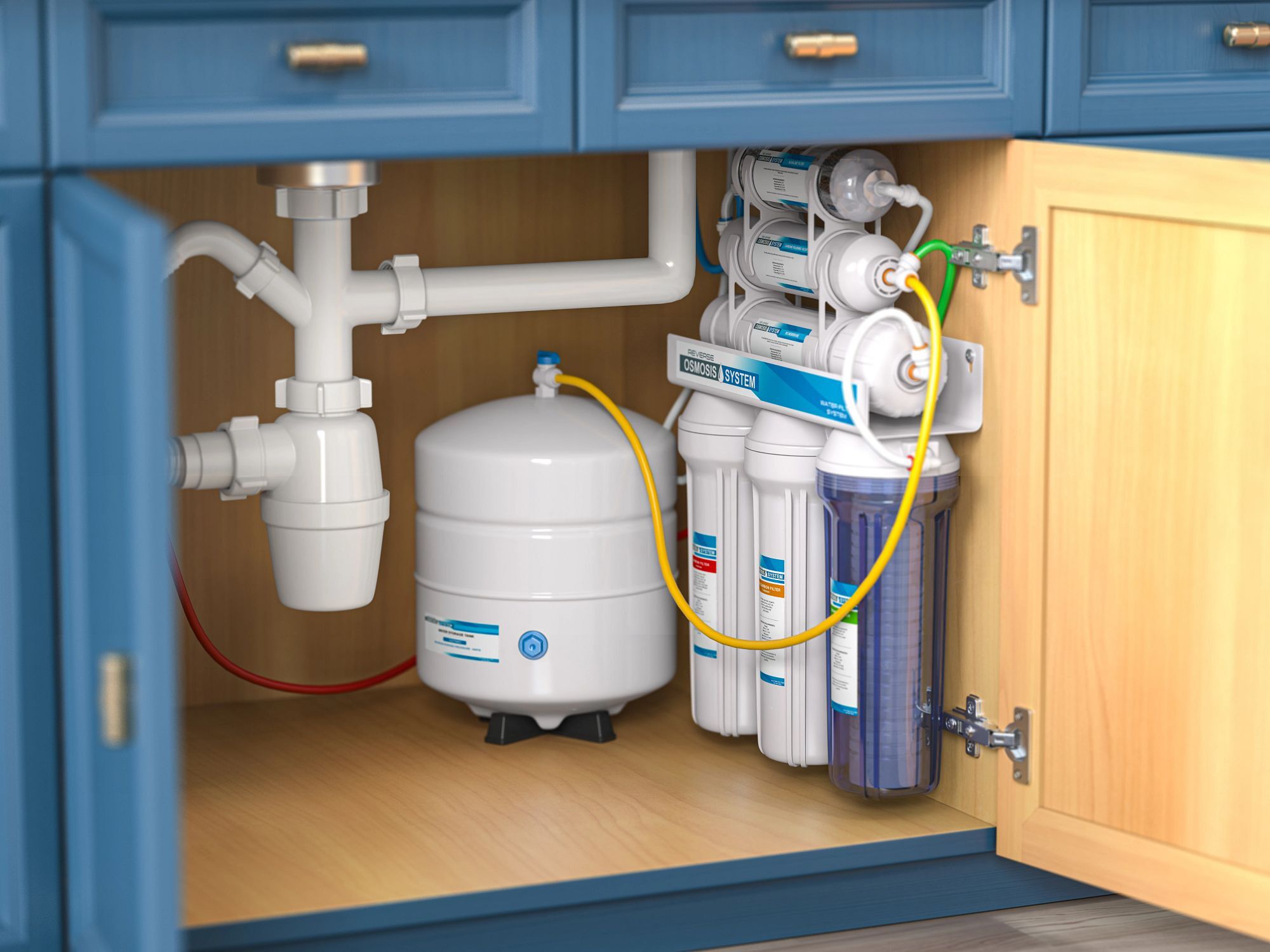
NSF Launches Protocol 549 for Glyphosate Reduction Claims
October 14, 2026P549 is the first standard globally that validates glyphosate reduction performance of water filtration systems and products.
Cambium Analytica, an NSF Company, Opens New Lab in Traverse City, Mich
October 6, 2026Ribbon cutting debuts innovative 15,000-square-foot testing facility to support evolving needs of the food & supplement industries.
NSF Drives Industry Conversations at SupplySide Global 2026 - Las Vegas, Oct. 26–30
September 17, 2026NSF returns to SupplySide Global with expert-led training and trusted certification solutions. Visit Booth 4741 to discover how NSF and Cambium Analytica help brands build trust, increase consumer confidence and stand out in a competitive marketplace.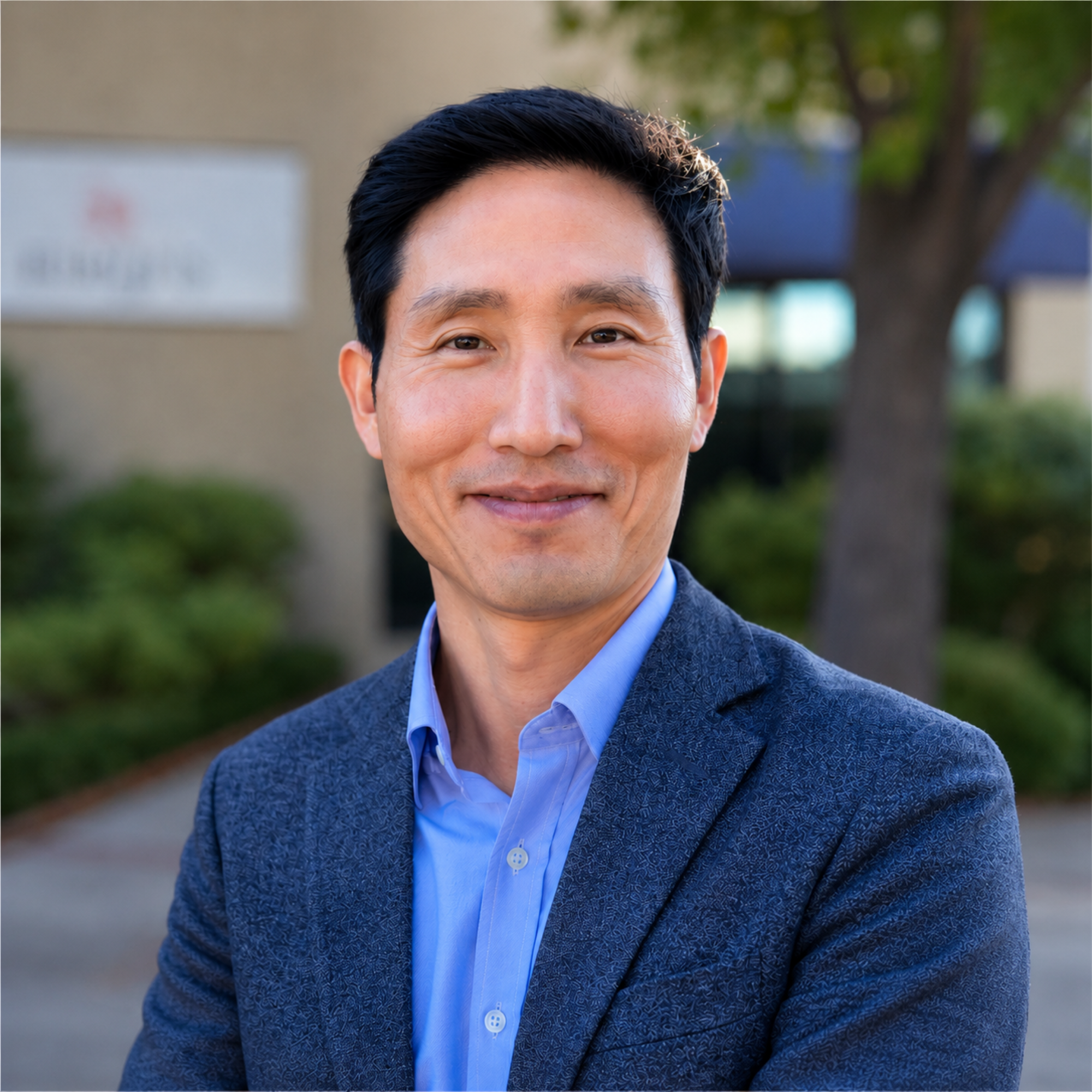
NSF Welcomes Hanjun Kwon, Managing Director, APAC
September 14, 2026Experienced business leader to drive sustainable growth, organizational development and operational excellence across the Asia-Pacific region.