CSI Seafood Certification: A New Global Choice for Wild-Capture Seafood
Certified Seafood International (CSI) brings a new trusted global ecolabel to the seafood supply chain.
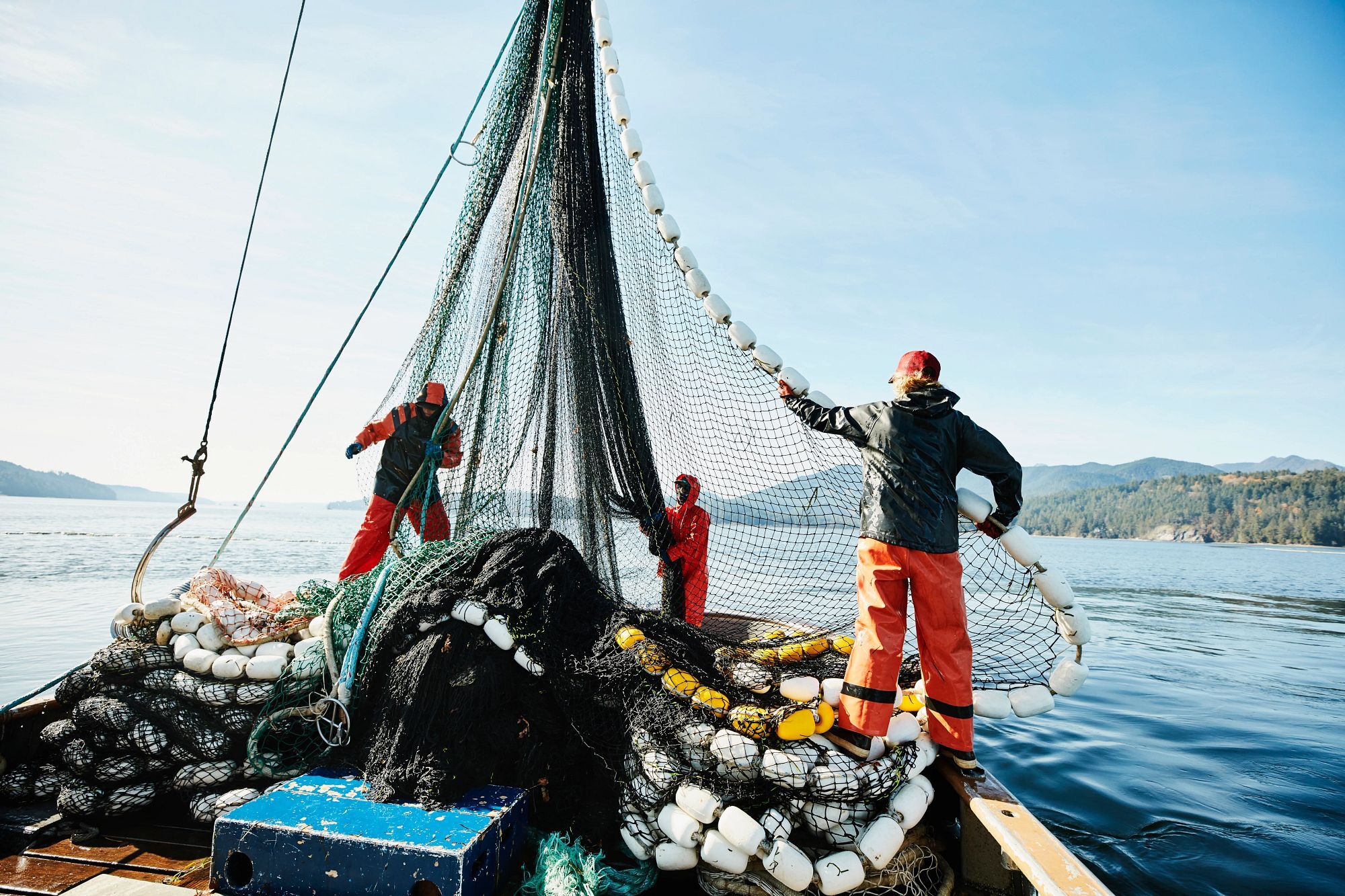
RFM goes global and becomes CSI. Certified Seafood International is a certification program for wild-capture seafood launched in April 2025, born from the Alaska-based Responsible Fisheries Management program.
A regional program outgrows its name
RFM was originally designed to certify Alaska's fisheries. Outside the US, this meant the program was perceived as purely an Alaskan initiative.
With the new name, the Certified Seafood Collective—the program's owner—expanded its scope to open CSI certification to wild-capture fisheries worldwide, carrying over intact RFM’s people, standards, and 15 years of certification experience, with 10 certified fisheries and 3 million metric tonnes.
Some of the currently certified fisheries are Alaska cod, Alaska salmon and US Gulf Shrimp.
The program is currently testing fisheries in New Zealand, Canada, South Africa, Norway, and Denmark.
The change comes at a time when consumers have a growing interest in trusted logos to guide their choices. A survey commissioned by the Alaska Seafood Marketing Institute across six major non-US markets—France, Germany, Japan, UK, Brazil and SE Asia—found that between 80% and 97% of seafood consumers say an ecolabel influences their purchase decision. Notably, when rated on importance, CSI and MSC score almost identically—68% and 66% respectively—suggesting that consumers’ appetite for credible certification extends well beyond any single program.
From fishery to shelf
CSI certification covers the full wild-capture seafood supply chain, from fishery to consumer.
At fishery level, it certifies wild-capture fisheries against the CSI Fishery Standard with mandatory certificate sharing across all participants in that fishery. Fishery certification is valid for five years with annual surveillance audits in between.
The rest of the supply chain is covered by the Chain of Custody (CoC) standard. From the moment the fish leaves the certified fishery, every business that takes ownership of it—processors, packers, distributors—and wants to pass the certified claim forward needs CoC. CoC certification is valid for three years, also with annual surveillance audits. No conditional certifications are awarded.
The original CoC standard was first developed by Iceland Responsible Fisheries Management program and then adopted cooperatively by the Alaska RFM program in 2011. The current "Unified" version reflects that shared history.
Certified companies throughout the supply chain can display the CSI ecolabel or claim — in B2B communications, sourcing policies, and on consumer-facing packaging.
Built on standards the industry already trusts
CSI certification is built on internationally recognized foundations.
- GSSI (Global Sustainable Seafood Initiative) benchmark: GSSI is the industry's gold standard for evaluating seafood certification programs. GSSI recognition is part of the sourcing policies of the world's largest retailers and seafood companies. RFM had been GSSI-benchmarked since 2016. This accreditation has carried over intact to CSI.
- UN FAO: The CSI fishery standard is based on the FAO Code of Conduct for Responsible Fisheries and FAO Ecolabelling Guidelines. These are internationally agreed guidelines, stable and not subject to arbitrary change.
Add CSI to your portfolio through NSF
NSF is an independent, ISO 17065-accredited certification body. We deliver CSI certification at every stage of the supply chain—fisheries, processors, distributors, retailers and food-service operators—covering both fishery standard and Chain of Custody certification, with DNA testing to verify species integrity from source to shelf.
If you already hold MSC or other certifications, CSI explicitly supports dual certification. Adding CSI to an existing certification portfolio is a cost-effective option—no duplicated audit effort, greater sourcing flexibility, without having to choose between programs.
Learn more about the Certified Seafood International (CSI) certification

All sources of wild-caught seafood face the challenge to verify sustainable practices, supply integrity and traceability.
How NSF Can Help You

What’s New with NSF

NSF Launches Protocol 549 for Glyphosate Reduction Claims
October 14, 2026P549 is the first standard globally that validates glyphosate reduction performance of water filtration systems and products.
Cambium Analytica, an NSF Company, Opens New Lab in Traverse City, Mich
October 6, 2026Ribbon cutting debuts innovative 15,000-square-foot testing facility to support evolving needs of the food & supplement industries.
NSF Drives Industry Conversations at SupplySide Global 2026 - Las Vegas, Oct. 26–30
September 17, 2026NSF returns to SupplySide Global with expert-led training and trusted certification solutions. Visit Booth 4741 to discover how NSF and Cambium Analytica help brands build trust, increase consumer confidence and stand out in a competitive marketplace.
NSF Welcomes Hanjun Kwon, Managing Director, APAC
September 14, 2026Experienced business leader to drive sustainable growth, organizational development and operational excellence across the Asia-Pacific region.