Cybersecurity Best Practices for Food Retailers and QSR

In April 2023, a restaurant conglomerate whose portfolio includes both fried chicken and pizza chains, with locations in over 155 countries, disclosed that a ransomware attack had exposed names, driver’s licenses, and ID card information of several employees. About one year later, the parent company of the largest Asian-segment restaurant chain in the U.S discovered that intruders in their corporate systems had stolen personal information from an undisclosed number of employees. At around the same time, a well-known bakery and café chain faced a nearly identical breach that cost the company $2.5 million in legal settlements in a class-action lawsuit that followed.
We're seeing the same trend with food retailers.
In spring 2025, a leading British retailer suffered a ransomware attack that forced the company to suspend all online orders and shut down its automated stock management systems, leading to widespread stock shortages in stores. The attack cost the company £300 million in lost profits, although it's not been disclosed whether a ransom was paid. Around the same time, other well-known retailers faced similar attacks—likely by the same group of cybercriminals—but managed to detect the intrusions early and limit the damage. Even so, investigations revealed that one of these breaches affected approximately 6.5 million of the retailer's members.
Why retailers and restaurants are vulnerable
The attacks on major chains reveal three vulnerabilities that make food retailers and restaurants particularly attractive to cybercriminals.
Consumer-facing operations create high-value targets. These companies operate at the front line of commerce, handling vast amounts of Personally Identifiable Information (PII) from customers and employees, plus payment data from every transaction. When their security fails, the breach can become public knowledge within hours, creating financial and reputational damage.
Rapid digital adoption has outpaced security planning. Although they aren't technology firms, restaurants and food retailers have had to rapidly integrate new technologies such as loyalty programs, online ordering, reservation platforms, delivery app partnerships, and payment technologies like tableside ordering and self-service kiosks. Each addition creates potential entry points for attackers, particularly when these applications aren't fully integrated with existing point-of-sale systems. Many restaurants and retailers also access customer data through third-party vendors without always knowing exactly how that data is stored, transmitted, or shared with other parties.
Complex operations meet sophisticated attacks. The industry's supply chains are interconnected and vendor relationships depend on real-time systems. As attack methods of cybercriminals become more sophisticated—the latest being AI-enhanced social engineering—these complex environments become harder to defend. Even brief intrusions can cause cascading disruptions.
These vulnerabilities create fertile ground for attackers, who exploit them through a range of methods.
Attack methods
Cybercriminals targeting food retail and QSR use multiple attack vectors to breach defenses. Entry methods include:
- Social engineering: it’s the most common technique. Attackers trick employees or third-party vendors into providing access credentials through methods like phishing emails or phone calls, where they impersonate executives, IT support staff, or trusted business partners.
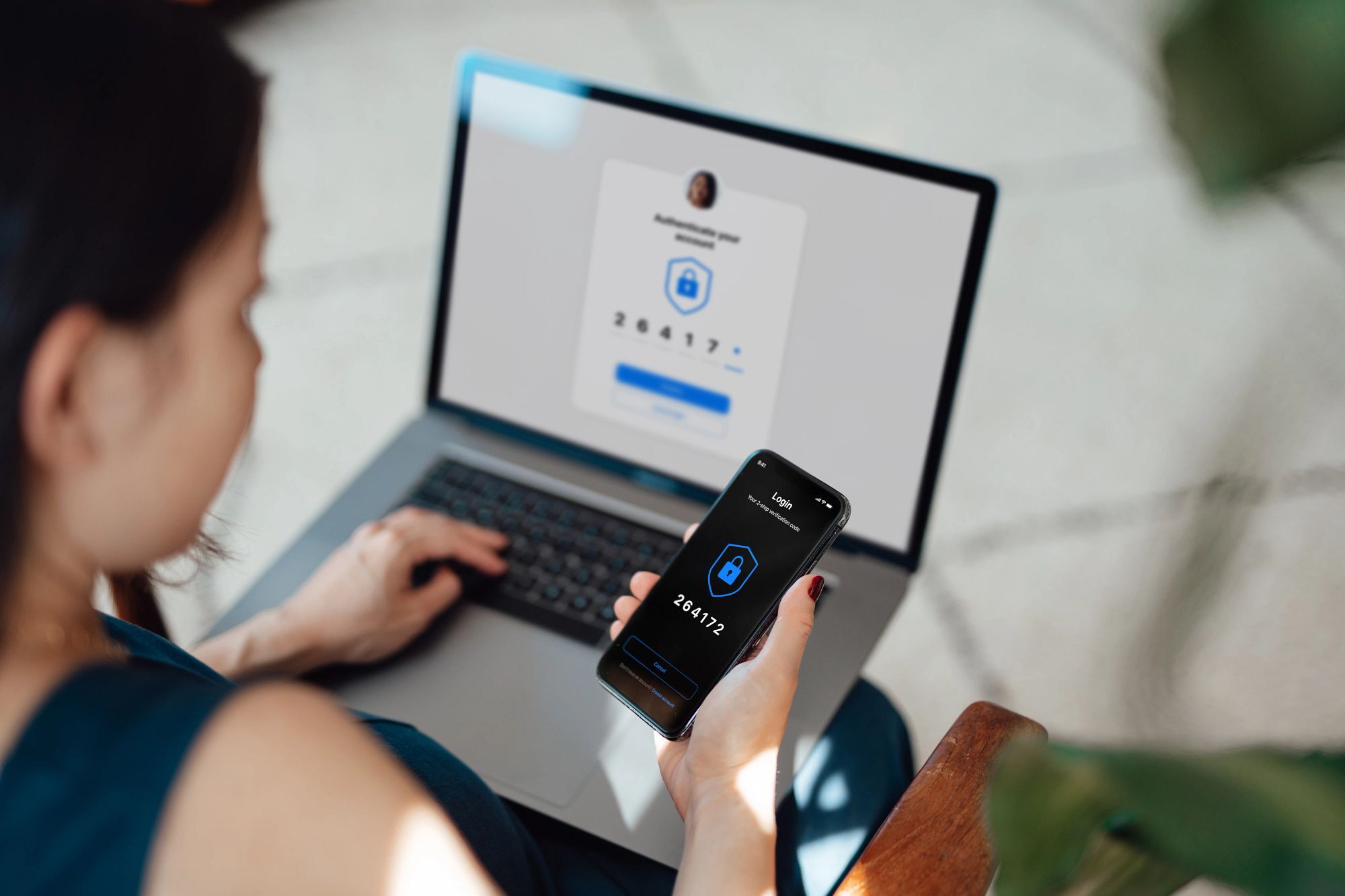
- SIM-swapping: Attackers contact mobile carriers and convince customer service representatives to transfer a target's phone number to a SIM card they control, often using stolen personal information to authenticate the request. Once they control the phone number, they can intercept two-factor authentication codes sent via SMS, allowing them to bypass security measures and access accounts.
- Technical vulnerabilities: Attackers exploit unpatched systems and outdated security configurations to gain initial access. For restaurants, this often means legacy POS systems. In 2017, Sonic Drive-In suffered a data breach that exposed 5 million credit cards when malware infected their POS network. The breach led to Sonic paying affected customers a $4.3 million settlement. In the M&S ransomware attack, investigators believe criminals first breached the system by stealing the Windows domain's NTDS.dit file, which contains critical authentication data.
- Third-party vulnerabilities: Attackers target vendors with access to restaurant and retail networks, then use those compromised credentials to move laterally through systems. In 2016, Wendy's suffered a breach affecting more than 1,000 locations when hackers compromised third-party vendor credentials and used that access to install malware on the company's point-of-sale systems.
- Negligence: Basic security oversights can create massive exposures. More than 64 million McDonald's job applicants had their personal information exposed due to poor security controls on an AI chatbot used in the hiring process. Security researchers discovered they could access the system with the password "123456."
What attackers do once inside
Once inside, attackers typically pursue three objectives to maximize damage and profit:
- 1
Ransomware:
Attackers encrypt critical business systems and demand payment for the decryption keys, effectively holding operations hostage. Modern ransomware attacks typically involve a dual threat—criminals not only lock systems but also steal sensitive data before encryption, threatening to publish it if ransom demands aren't met. - 2
Data theft:
Cybercriminals steal sensitive information as a standalone attack or as part of a broader ransomware operation. They target customer PII, payment data, and employee records, then either threaten to release the information publicly for extortion purposes or sell it directly on dark web marketplaces. - 3
Operational chaos:
Cyberattacks can paralyze business operations beyond the initial data breach. In late 2024, multinational grocery chain Ahold Delhaize USA suffered an attack that disrupted in-store payments and caused food supply issues that lasted for weeks.
Critical weaknesses
Beyond sector-wide vulnerabilities, many food retailers and restaurants face internal weaknesses that create easy openings for attackers.
Lack of employee training and awareness:
High staff turnover makes consistent cybersecurity training difficult, creating knowledge gaps that attackers exploit.
Response: Regular staff training on phishing and social engineering threats, with refresher sessions for all employees.
Inadequate access controls and authentication:
Weak or reused passwords create vulnerability to credential stuffing attacks, in which criminals use stolen login combinations from other breaches.
Recommended action: Implement multi-factor authentication (MFA) across all systems and establish strong password policies.
Vulnerable systems and data:
Legacy and unpatched systems create significant security gaps that attackers can exploit.
Best practice: Regular vulnerability assessments, consistent patching schedules, and encrypt sensitive data with secure backups.
Poor incident response planning:
Attack dwell time in restaurant systems averages significantly higher than in other industries. Some intrusions have remained undetected for over a year.
Response: Establish and test incident response plans with proactive monitoring systems.
Insufficient third-party risk management:
Vendor security failures can compromise customer data even when internal systems remain secure.
Best practice: Comprehensive vetting and ongoing monitoring of third-party vendors with regular security assessments.
Building a security-first culture
There’s no single tool or practice that can make food retailers and restaurants fully prepared to prevent attacks and respond quickly when they happen.
What works in the long term is a security-first culture. This means creating an environment where employees at every level—from the boardroom to the front lines—actively contribute to protecting the organization’s data and systems.
Implementing ISO/IEC 27001 can help establish this culture. ISO/IEC 27001 is an information security management system that provides a structured framework for assessing risks, defining controls, and ensuring that policies are consistently applied. Just as importantly, it helps organizations turn security practices into daily habits, whether that means in-store staff staying alert to phishing attempts or corporate teams reviewing vendor access.
Conclusion
Cybersecurity is a business-critical issue for retailers and quick-service restaurants. The attacks on major chains demonstrate that resilience must be built through preparation, not reaction.
By the time an organization detects an attack, cybercriminals have often been inside the system for weeks and already have enough access to cause serious damage.
An approach that combines compliance with established protocols, security culture across all levels, and internationally recognized certifications can better safeguard sensitive data and maintain business continuity.
Would you like to learn more about information security?
How NSF Can Help You

What’s New with NSF
NSF Launches Protocol 549 for Glyphosate Reduction Claims
October 14, 2026P549 is the first standard globally that validates glyphosate reduction performance of water filtration systems and products.
Cambium Analytica, an NSF Company, Opens New Lab in Traverse City, Mich
October 6, 2026Ribbon cutting debuts innovative 15,000-square-foot testing facility to support evolving needs of the food & supplement industries.
NSF Drives Industry Conversations at SupplySide Global 2026 - Las Vegas, Oct. 26–30
September 17, 2026NSF returns to SupplySide Global with expert-led training and trusted certification solutions. Visit Booth 4741 to discover how NSF and Cambium Analytica help brands build trust, increase consumer confidence and stand out in a competitive marketplace.
NSF Welcomes Hanjun Kwon, Managing Director, APAC
September 14, 2026Experienced business leader to drive sustainable growth, organizational development and operational excellence across the Asia-Pacific region.