NSF/ANSI/CAN 372 Technical Requirements
December 7, 2025
Minimizing lead content in drinking water system components.

NSF/ANSI/CAN 372: Drinking Water System Components – Lead Content is an American National Standard that provides a standardized methodology for determining and verifying product compliance to minimize lead contamination.
What the standard covers
NSF/ANSI/CAN 372 addresses lead content only. Most regulations also require compliance with an extraction or leaching test standard, such as:
- NSF/ANSI/CAN 61 for most products
- NSF/ANSI/CAN 42, 44, 53, 55, 58, or 62 for point-of-use and point-of-entry water treatment products.
Key technical requirements
- Maximum weighted lead content:
- 0.25% for most components
- 0.2% for solders and fluxes
- Weighted average formula for calculating lead content prior to testing
- Specific testing procedures for verifying compliance.
Products covered under NSF/ANSI/CAN 372
Multiple products that come into contact with drinking water can be tested to this standard, including:
- Coatings
- Valves
- Pipes
- Gaskets
- Solder and flux fittings
- Faucets
- Water filters
- Water softeners
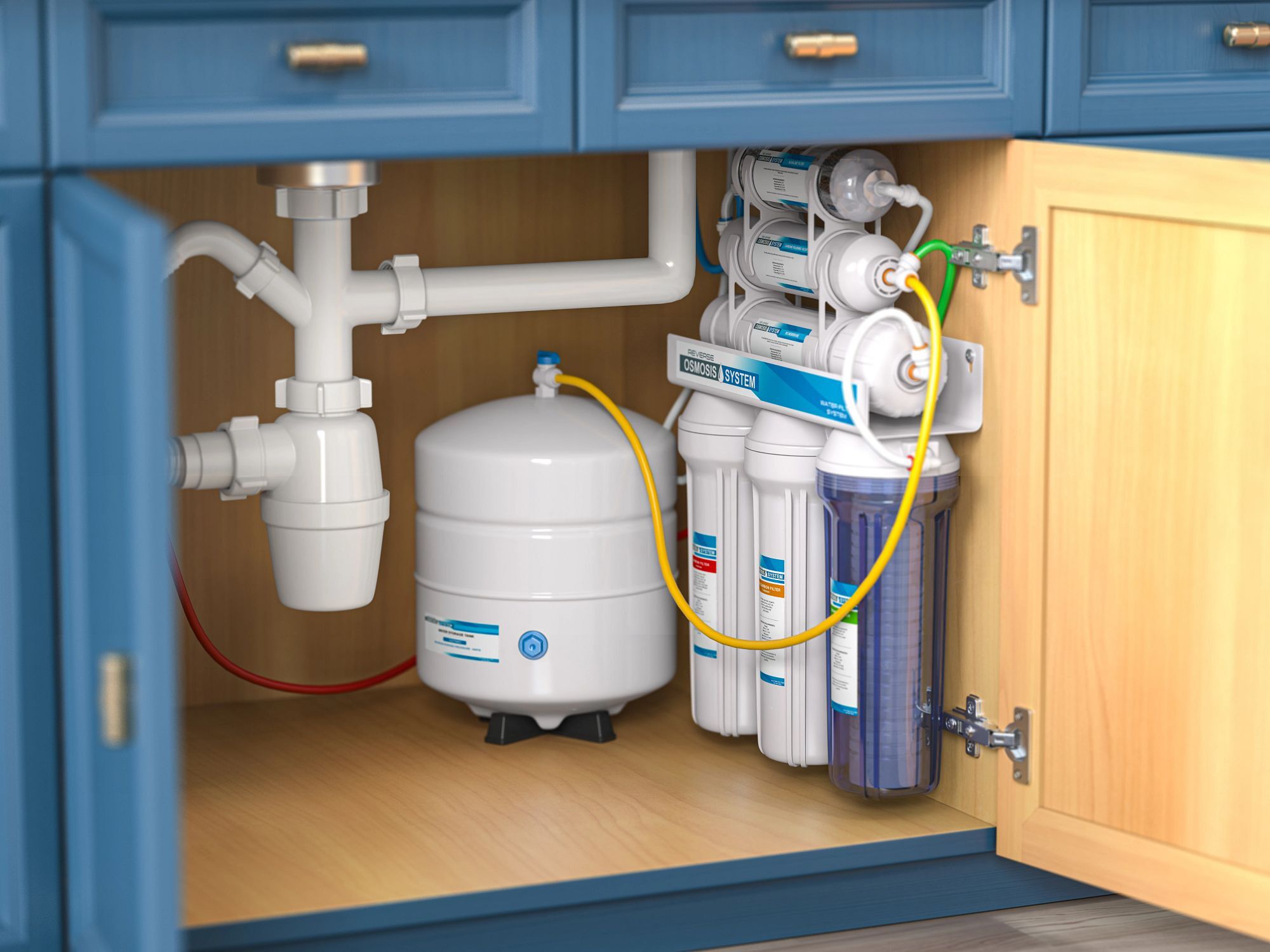
- Reverse osmosis systems
- Ultraviolet reactors
- Water meters.
Ensure your products meet lead content requirements and protect public health.
Download the NSF/ANSI/CAN 372 Technical Requirements Guide
Access key technical requirements for evaluating lead content compliance in drinking water system components.
What’s New with NSF
NSF Launches Protocol 549 for Glyphosate Reduction Claims
October 14, 2026P549 is the first standard globally that validates glyphosate reduction performance of water filtration systems and products.
Cambium Analytica, an NSF Company, Opens New Lab in Traverse City, Mich
October 6, 2026Ribbon cutting debuts innovative 15,000-square-foot testing facility to support evolving needs of the food & supplement industries.
NSF Drives Industry Conversations at SupplySide Global 2026 - Las Vegas, Oct. 26–30
September 17, 2026NSF returns to SupplySide Global with expert-led training and trusted certification solutions. Visit Booth 4741 to discover how NSF and Cambium Analytica help brands build trust, increase consumer confidence and stand out in a competitive marketplace.
NSF Welcomes Hanjun Kwon, Managing Director, APAC
September 14, 2026Experienced business leader to drive sustainable growth, organizational development and operational excellence across the Asia-Pacific region.