Emerging Contaminants
You may have seen media reports in recent years about the presence of emerging or incidental contaminants in drinking water. In fact, 82% of consumers report that they are concerned about the negative effects these emerging contaminants may have on their health although at trace levels they are not a public health issue. Contaminants of most concern include pesticides and herbicides followed by prescription drugs and detergents.
What Are Emerging Contaminants?
Most contaminants found in drinking water have traditionally been classified into one of two categories — health effects, for contaminants known to adversely affect health when present in drinking water, or aesthetic effects, for contaminants not affecting health but rather the taste, appearance or odor of drinking water.
Emerging contaminants are a new category of water quality concerns for which evidence of health effects has not yet been established due in part to the trace levels at which these compounds are currently being detected. For this reason, it was decided that a separate testing standard should be developed for product testing purposes.
American National Standard NSF/ANSI 401
NSF/ANSI 401: Emerging Contaminants/Incidental Compounds is an American national standard that verifies the ability of a water treatment device to reduce up to 15 of the emerging contaminants shown below. This list includes some prescription/OTC drugs, new types of herbicides and pesticides and chemicals used as flame retardants and detergents that have been found at trace levels in drinking water.
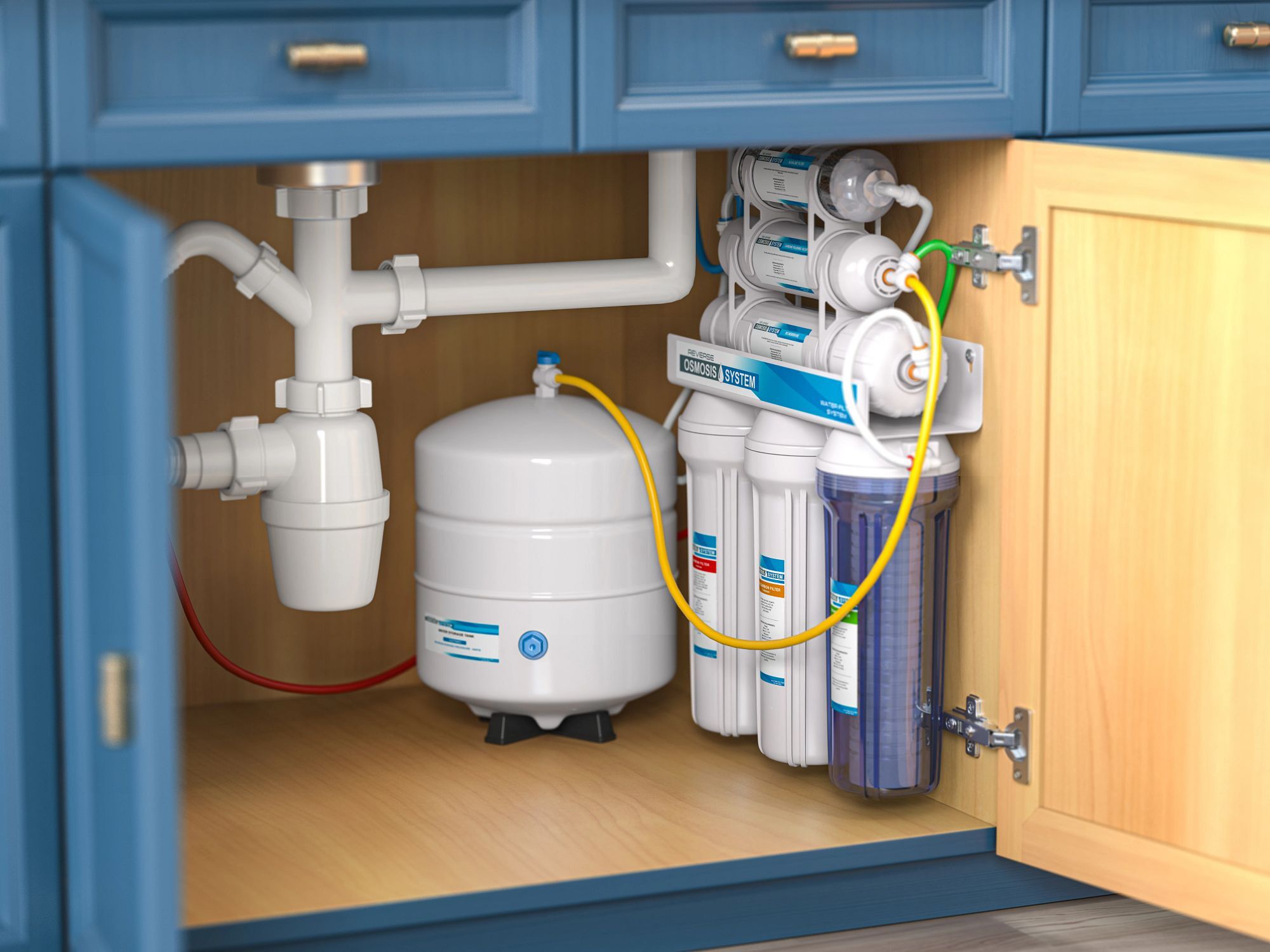
Products covered by NSF/ANSI 401 include several types of point-of-use (POU) and point-of-entry (POE) systems including pitchers, faucet mount, counter top, refrigerator, under sink, plumbed-in and sports bottle type filtration systems as well as POU reverse osmosis systems. A list of products that are currently NSF-certified to meet this standard can be found on NSF’s listings page.
| Substance | Average influent challenge ng/L* | Maximum effluent concentration ng/L* |
|---|---|---|
| Meprobamate | 400 ± 20% | 60 |
| Phenytoin | 200 ± 20% | 30 |
| Atenolol | 200 ± 20% | 30 |
| Carbamazepine | 1,400 ± 20% | 200 |
| TCEP | 5,000 ± 20% | 700 |
| TCPP | 5,000 ± 20% | 700 |
| DEET | 1,400 ± 20% | 200 |
| Metolachlor | 1,400 ± 20% | 200 |
| Trimethoprim | 140 ± 20% | 20 |
| Ibuprofen | 400 ± 20% | 60 |
| Naproxen | 140 ± 20% | 20 |
| Estrone | 140 ± 20% | 20 |
| Bisphenol A | 2,000 ± 20% | 300 |
| Linuron | 140 ± 20% | 20 |
| Nonyl phenol | 1,400 ± 20% | 200 |
*While a majority of regulated contaminants like arsenic and lead are measured either in milligrams or micrograms per liter, many contaminants covered by NSF/ANSI 401 are only found in trace amounts and thus are measured in a smaller increment known as nanograms per liter (ng/L). To put this in perspective, 1 ng/L is the equivalent of 1/1000th of a microgram per liter, which would be the same as 1 ounce in 7.5 billion gallons of water.
How NSF Can Help You

What’s New with NSF
NSF Launches Protocol 549 for Glyphosate Reduction Claims
October 14, 2026P549 is the first standard globally that validates glyphosate reduction performance of water filtration systems and products.
Cambium Analytica, an NSF Company, Opens New Lab in Traverse City, Mich
October 6, 2026Ribbon cutting debuts innovative 15,000-square-foot testing facility to support evolving needs of the food & supplement industries.
NSF Drives Industry Conversations at SupplySide Global 2026 - Las Vegas, Oct. 26–30
September 17, 2026NSF returns to SupplySide Global with expert-led training and trusted certification solutions. Visit Booth 4741 to discover how NSF and Cambium Analytica help brands build trust, increase consumer confidence and stand out in a competitive marketplace.
NSF Welcomes Hanjun Kwon, Managing Director, APAC
September 14, 2026Experienced business leader to drive sustainable growth, organizational development and operational excellence across the Asia-Pacific region.