White Paper: The Critical Importance of Adhering to the Most Recent Version of Standards
A case study on lead reduction requirements in endpoint devices.
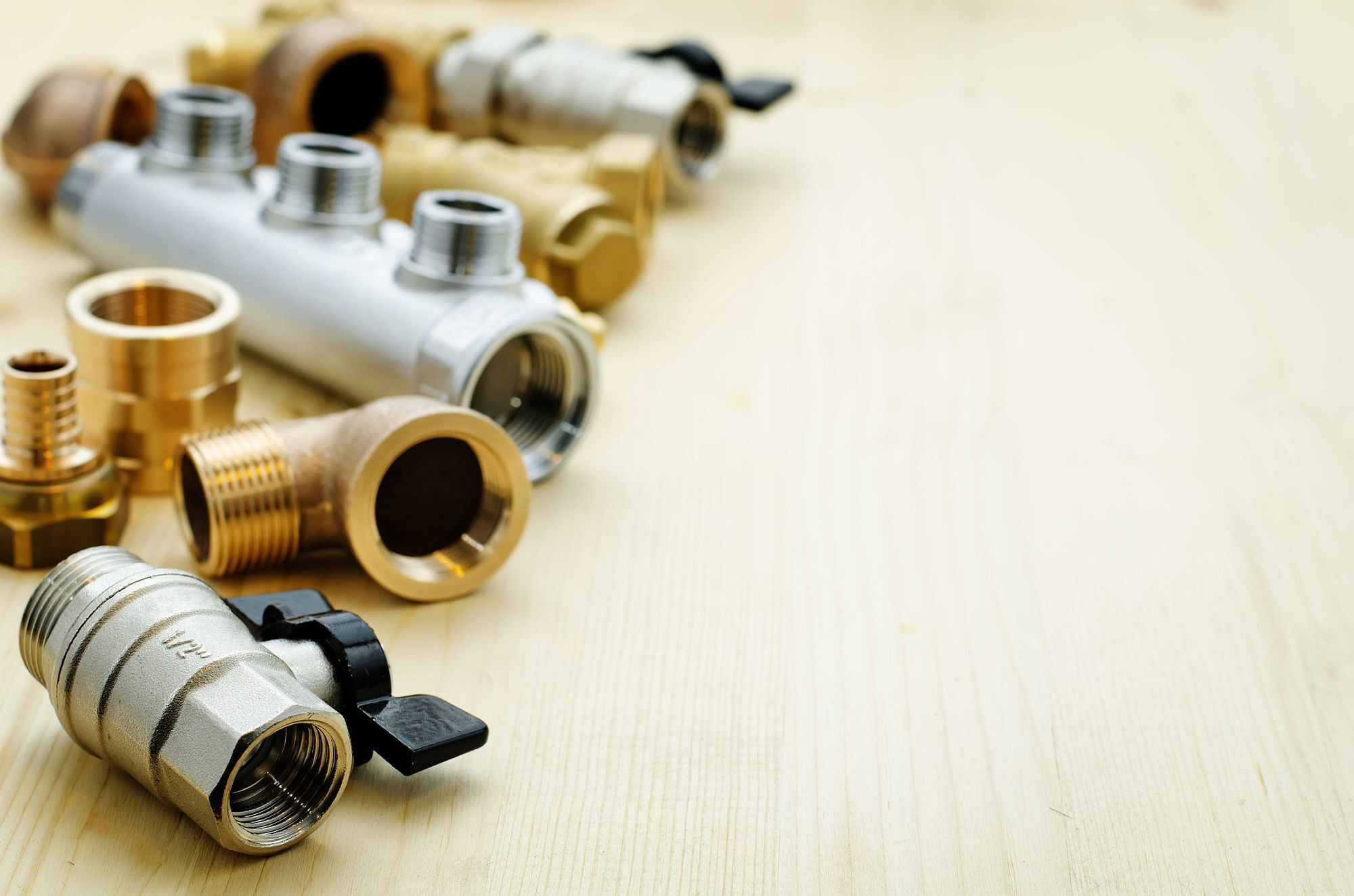
Protecting public health requires more than meeting past requirements—it demands adherence to the most current drinking water safety standards. As science evolves, standards evolve too.
This whitepaper explains why complying with the latest version of NSF/ANSI/CAN 61 is critical, with a focus on updated lead reduction requirements for endpoint devices like faucets and drinking fountains.
What you need to know
- No level of lead exposure is safe, especially for children.
- NSF/ANSI/CAN 61 was updated to reduce allowable lead extraction in endpoint devices by five times.
- The limit was lowered from 5 ppb to 1 ppb (Q<1) based on strong scientific evidence.
- Endpoint devices are the last point of contact before water reaches consumers—making compliance especially important.
The problem with outdated certifications
Not all certification bodies adopted the new requirements at the same pace. Some continued listing products certified to older lead limits even after the updated standard took effect.
This creates
- Health risks for consumers
- Unfair competition for compliant manufacturers
- Confusion for regulators and buyers
- Reduced trust in certification marks
A market review found that more than half of certain faucet listings did not meet the new Q<1 requirement—despite appearing compliant.
Who should take action
- 1
Manufacturers:
Design, test, and certify products to the current NSF/ANSI/CAN 61 standard
- 2
Retailers and distributors:
Verify that products meet updated requirements
- 3
Certifiers:
Apply new standards consistently and transparently
- 4
Regulators and utilities:
Require Q<1 certification in procurement
- 5
Consumers:
Look for products certified to the most recent standard version
Why it matters
Adhering to the latest standards means:
- Better protection of public health.
- Alignment with current regulations (including early‑adopter states).
- Stronger market credibility.
- Readiness for future regulatory changes.
Learn more about NSF/ANSI/CAN 61 testing and certification

This standard sets benchmarks for evaluating water distribution products and materials. Learn about why it's required and accepted around the world.
How NSF Can Help You

What’s New with NSF
NSF Launches Protocol 549 for Glyphosate Reduction Claims
October 14, 2026P549 is the first standard globally that validates glyphosate reduction performance of water filtration systems and products.
Cambium Analytica, an NSF Company, Opens New Lab in Traverse City, Mich
October 6, 2026Ribbon cutting debuts innovative 15,000-square-foot testing facility to support evolving needs of the food & supplement industries.
NSF Drives Industry Conversations at SupplySide Global 2026 - Las Vegas, Oct. 26–30
September 17, 2026NSF returns to SupplySide Global with expert-led training and trusted certification solutions. Visit Booth 4741 to discover how NSF and Cambium Analytica help brands build trust, increase consumer confidence and stand out in a competitive marketplace.
NSF Welcomes Hanjun Kwon, Managing Director, APAC
September 14, 2026Experienced business leader to drive sustainable growth, organizational development and operational excellence across the Asia-Pacific region.