Why the Demand for Registered Cleaning Products Is Rising in the Food Industry
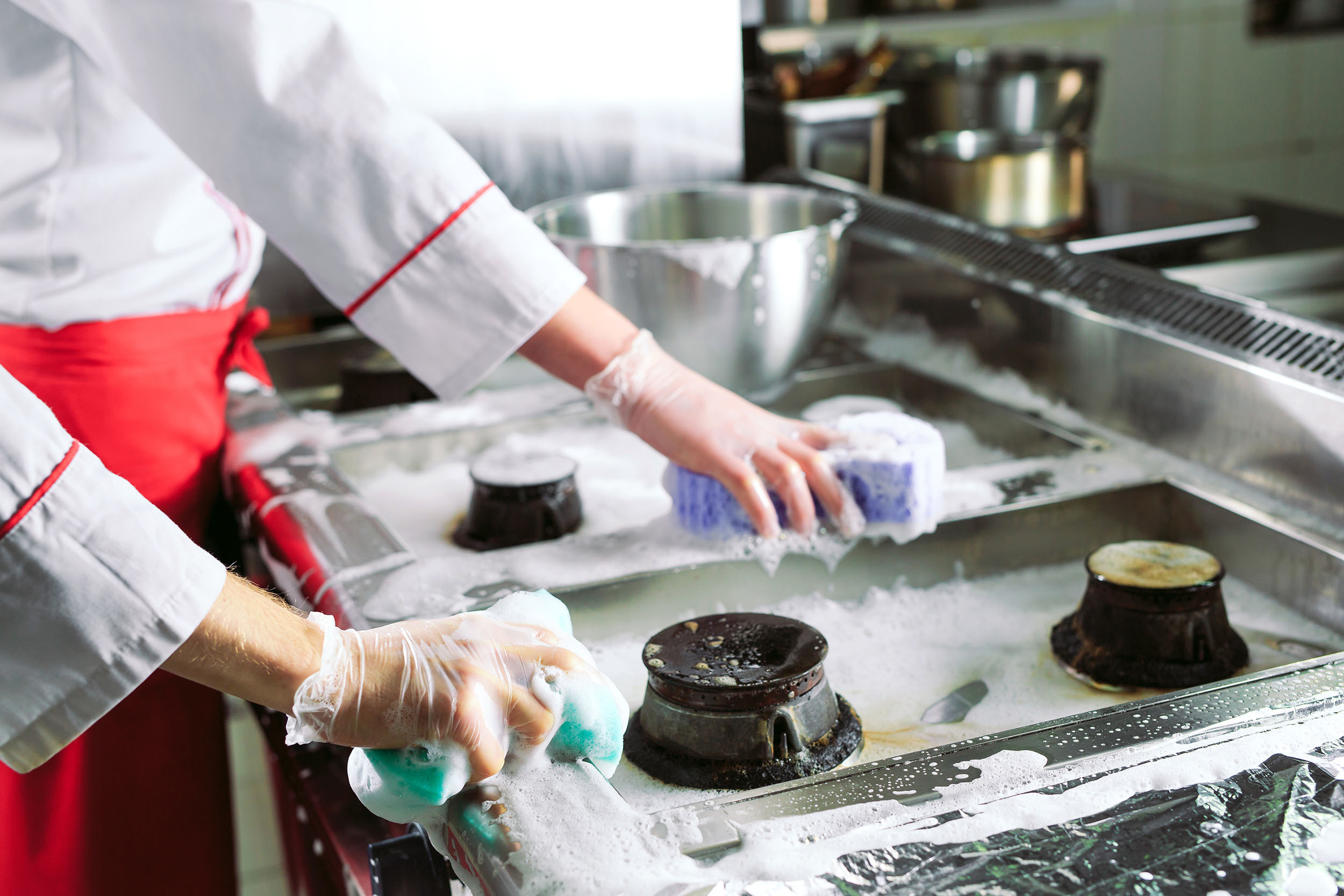
Ensuring a safe and hygienic environment through access to vital cleaning and disinfecting products has never been more paramount.
Workplaces, schools and other facilities all require easy access to cleaning products and typically source from the same suppliers. Food/beverage manufacturing and foodservice establishments are no exception. The difference is, while other industries can use the same type of cleaners those in food industries can use, a food facility or commercial kitchen requires more specialized cleaning products.
Processing facilities and foodservice operators must have—in the interest of food safety—cleaners that have been independently verified as being suitable for use in food production, restaurants and other food-related businesses. By registering your cleaning products with NSF’s nonfood compounds program, you can ensure compliance with requirements accepted globally by food companies and operators.
The Food Industry’s Wish List
If you want to sell your chemical cleaning and disinfecting products to the food processing and foodservice industries, these are the products you need to register to ensure greater acceptance from end users:
 General use cleaners like dish soaps, all-purpose cleaners, foaming cleansers and degreasers
 Acid cleaning products that remove rust corrosion, scale or other deposits not removable by alkaline products, such as descaling products for coffee machines
 Cleaners used in non-food processing areas like toilet/bathroom cleaners
 Scouring cleaners for stains that standard cleaners cannot handle
 Specialty cleaners including electronic instrument cleaners, adhesive/glue removers and coil cleaners
 Products that clean and sanitize floors and walls in sub-freezing places like temperature-controlled warehouses and walk-in freezers
 Stainless steel cleaners/polishers, furniture cleaners/polishers and corrosion inhibitors for products that do not come in contact with food
 Hand sanitizers
 Antimicrobial cleaners used to sanitize hard, non-porous surfaces like countertops or work tables
 Degreasers and carbon removers for ovens, grills, smokers and other utensils and surfaces exposed to conditions that lead to caked-in grease or carbon buildup
 Drain and sewer cleaners
To confirm a cleaning or disinfecting product is suitable for a food processing or handling environment, companies often refer to NSF’s White Book™.
Sign up for Cleaning Product Webinars, Industry News and More
How NSF Can Help You

What’s New with NSF
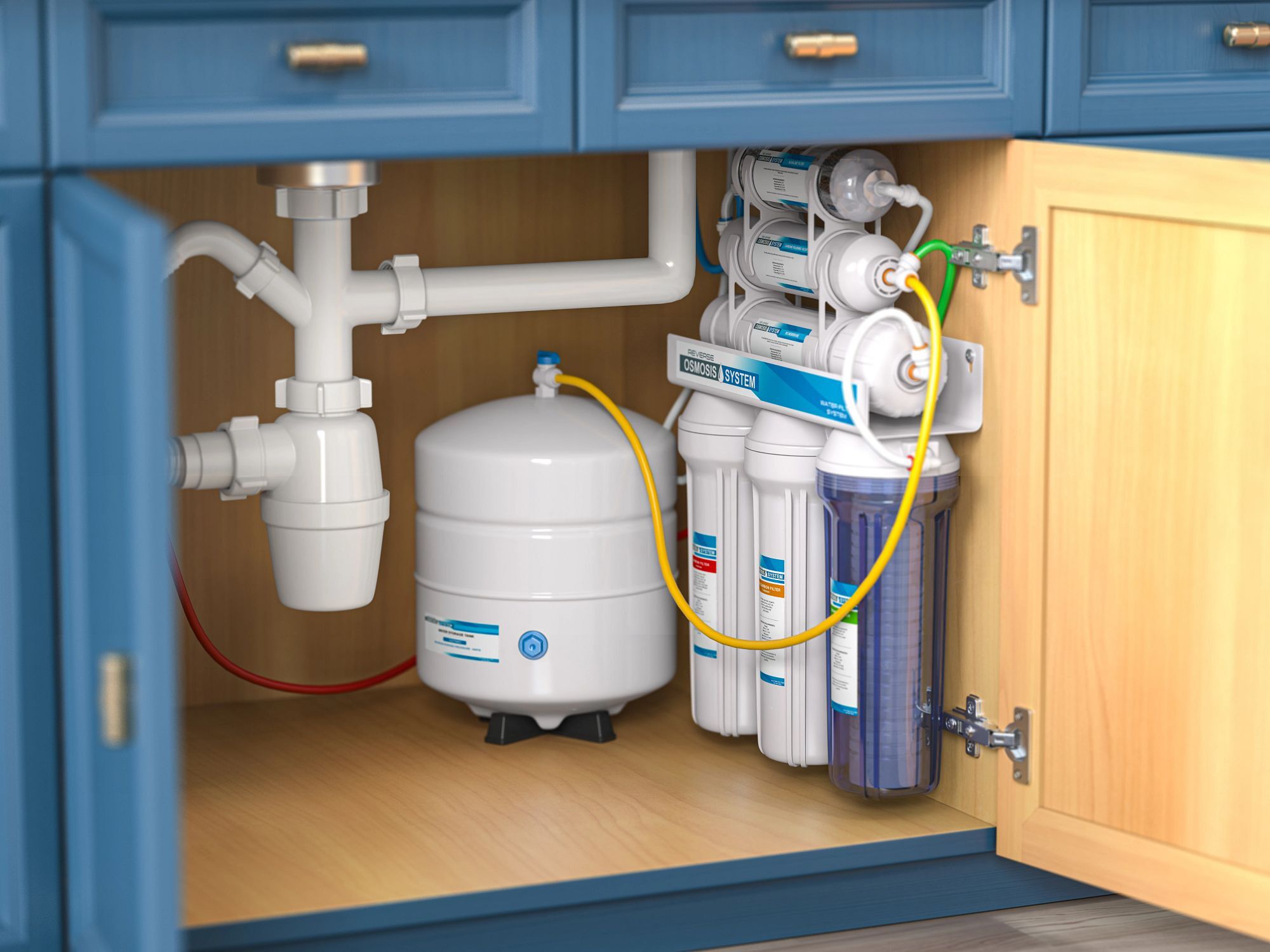
NSF Launches Protocol 549 for Glyphosate Reduction Claims
October 14, 2026P549 is the first standard globally that validates glyphosate reduction performance of water filtration systems and products.
Cambium Analytica, an NSF Company, Opens New Lab in Traverse City, Mich
October 6, 2026Ribbon cutting debuts innovative 15,000-square-foot testing facility to support evolving needs of the food & supplement industries.
NSF Drives Industry Conversations at SupplySide Global 2026 - Las Vegas, Oct. 26–30
September 17, 2026NSF returns to SupplySide Global with expert-led training and trusted certification solutions. Visit Booth 4741 to discover how NSF and Cambium Analytica help brands build trust, increase consumer confidence and stand out in a competitive marketplace.
NSF Welcomes Hanjun Kwon, Managing Director, APAC
September 14, 2026Experienced business leader to drive sustainable growth, organizational development and operational excellence across the Asia-Pacific region.