DMBA in Supplements
In October 2014, researchers and scientists from NSF, Harvard Medical School and the National Institute for Public Health and the Environment in the Netherlands (RIVM) found an unapproved synthetic stimulant - 1,3-Dimethylbutylamine or DMBA – in 12 over-the-counter dietary supplements. The findings were published in the peer-reviewed journal Drug Testing and Analysis.
The Research
The research team found this new synthetic stimulant, DMBA, in 12 of the 14 dietary supplement products analyzed (85.7 percent) with DMBA content ranging from 13 to 120 mg per serving. According to the recommended daily intake on product labels, consumers of these products would ingest 26 to 320 mg of DMBA per day. Additionally, DMBA was listed on product labels as “4-amino-2-methylpentane citrate,” “AMP citrate,” “1,3-dimethylbutylamine citrate,” “4-amino-2-pentanamine,” “Pentergy,” “4-AMP” or “extracted from pouchong tea.”
This is an important finding, as DMBA is chemically similar to other harmful stimulants such as DMAA, which was banned by regulatory agencies in the U.S., UK, Netherlands, Brazil and elsewhere because of its links to negative health events such as strokes, heart failure and sudden death. There are no known safety studies on DMBA and its health effects are entirely unknown.
What You Should Do
Consumers are urged to avoid products containing this substance, which may be listed on product labels as “4-amino-2-methylpentane citrate,” “AMP citrate,” “1,3-dimethylbutylamine citrate,” “4-amino-2-pentanamine,” “Pentergy,” “4-AMP” or “extracted from pouchong tea.” NSF developed a testing and certification program that verifies supplement labels are accurate and the product itself is free from harmful levels of contaminants such as DMAA. We urge consumers to seek NSF certified dietary supplements to avoid unintentionally consuming harmful compounds.
Dietary Supplement Certification
NSF helped develop the only American National Standard for dietary supplements (NSF/ANSI 173). NSF’s accredited dietary supplement certification program is based on this standard (ANSI-Accredited Product Certification Body - Accreditation #0216). The program includes a label and formulation review, testing to verify the supplement does not contain harmful levels of contaminants and two facility audits annually to confirm compliance to Good Manufacturing Practices (GMPs). Products certified to the stringent NSF Certified for Sport® program include additional steps to screen supplements for 280 athletic banned substances.
NSF’s dietary supplement and Certified for Sport® certification programs help retailers, consumers and athletes to make more educated buying decisions knowing that what is on the label matches what is in the container and that the products do not contain any unintended substances like DMBA. The NSF program is used by the NFL, NHL, MLB, PGA, LPGA, the Canadian Centre for Ethics in Sport (CCES) and the New York City Police Department.
The article outlining the results of this collaborative testing project was published in Drug Testing and Analysis by NSF Senior Research Scientist John Travis and researchers from Harvard Medical School and the National Institute for Public Health and the Environment in the Netherlands (RIVM).
How NSF Can Help You

What’s New with NSF
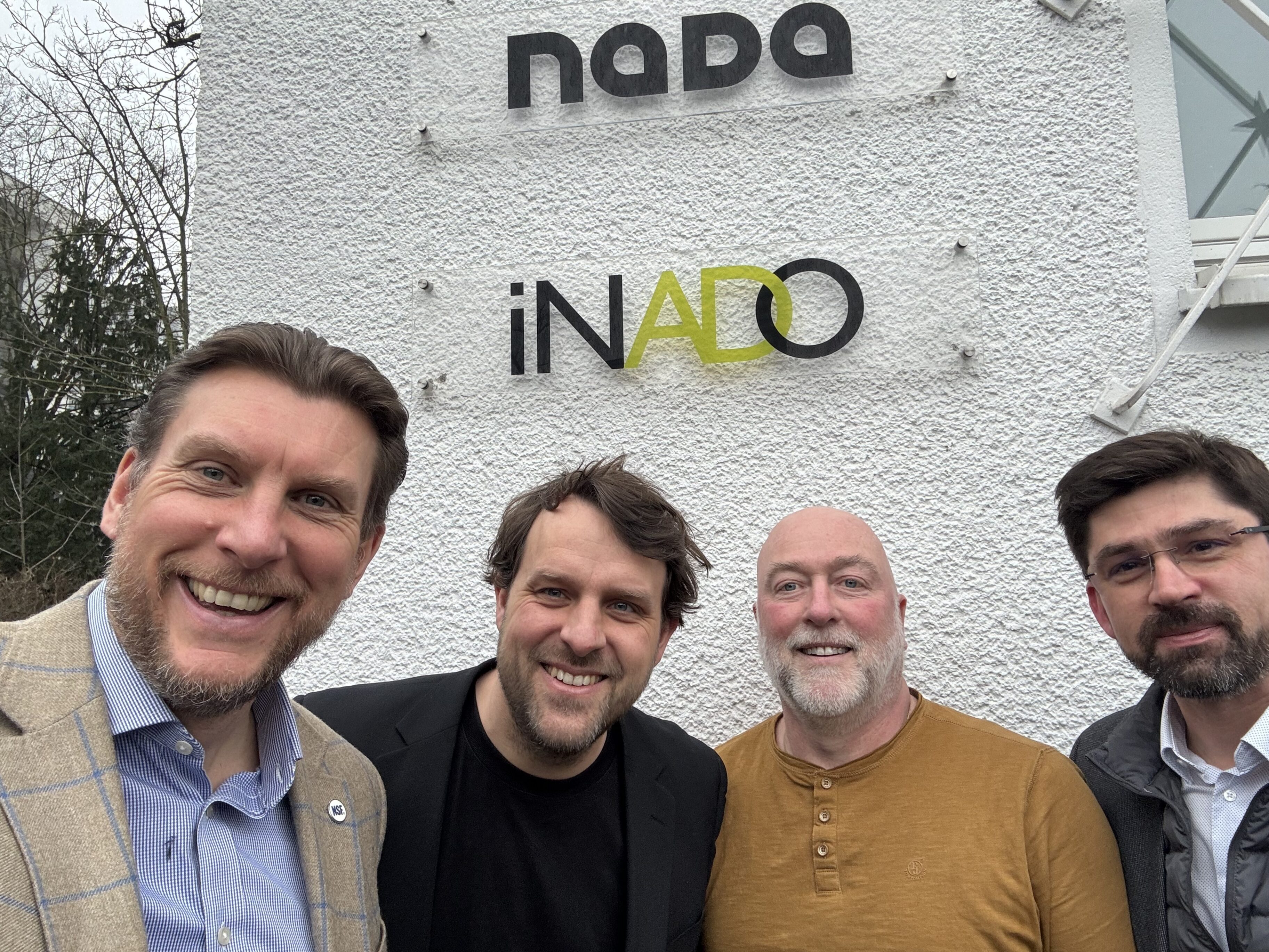
iNADO Partners with NSF to Support Members and Athletes
May 27, 2026iNADO is pleased to welcome NSF’s expertise and experience in support of its members and the athletes they serve
NSF Ends UK’s Three-Year Testing Gap with REG 31 Testing Designation
May 20, 2026NSF’s Oakdale laboratory becomes the UK’s sole facility offering comprehensive BS 6920 and REG 31 testing, closing a critical drinking water safety gap.
Tangent® Materials Announces Industry First: Tangent PolySheet™ CB Earns Certification to NSF 537, Becoming the First PFAS-Free NSF Standard 51 Food Equipment Material
May 20, 2026New food-grade synthetic cutting-board sheet, engineered from the ground up without per- and polyfluoroalkyl substances (PFAS), establishes a new materialsafety benchmark for food-contact and food-equipment applications.
NSF Expands Food Equipment Portfolio with Electrical Safety Testing and Certification
April 30, 2026Manufacturers now have a “one-stop-shop” for both sanitation and electrical safety certification, enabling market expansion and regulatory compliance.